


Dallas 1
8 A.M., Dallas, Texas
3 days. Everything you need to validate, build, launch, and grow.
An intensive startup bootcamp in Dallas, Texas built on Lean Startup principles — from ideation through exit. You leave with a clear plan, real feedback, and access to our founder community and tools.
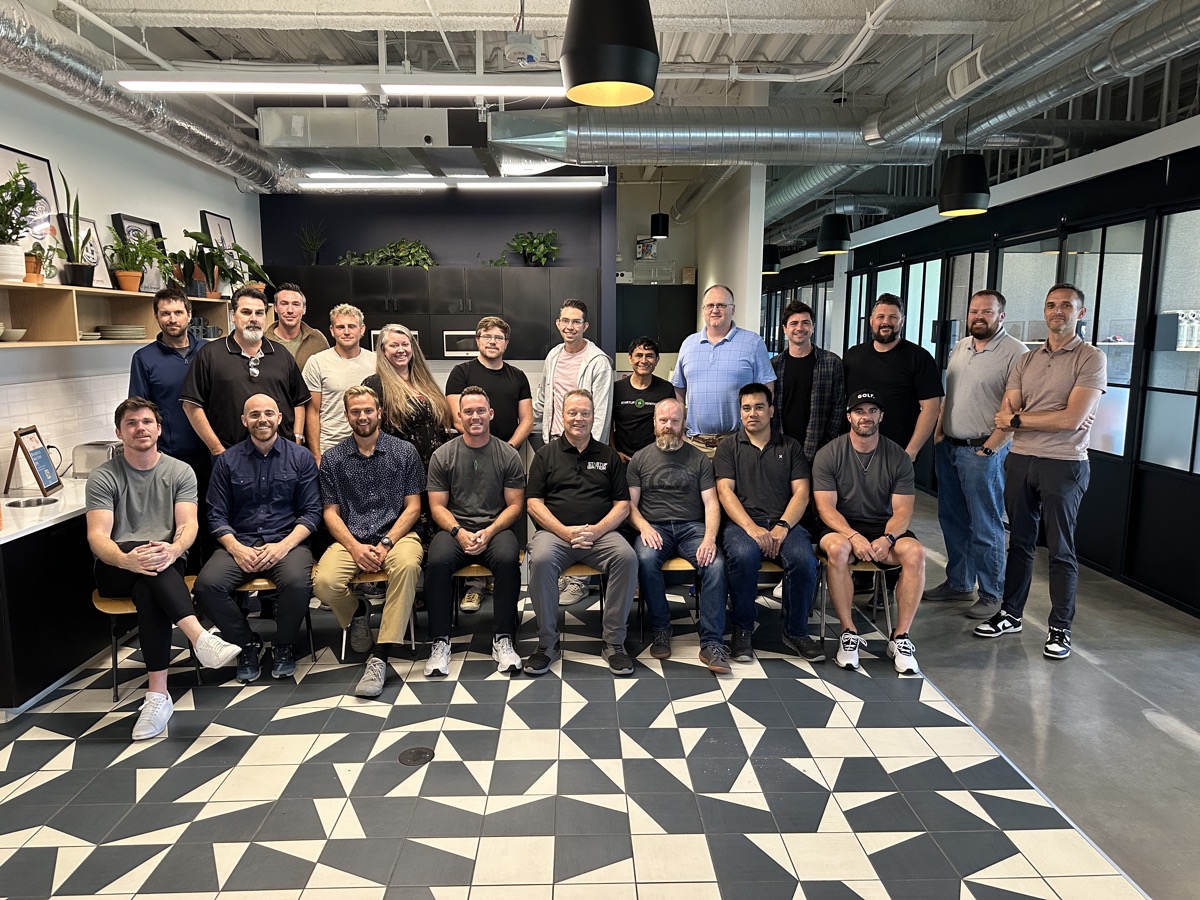
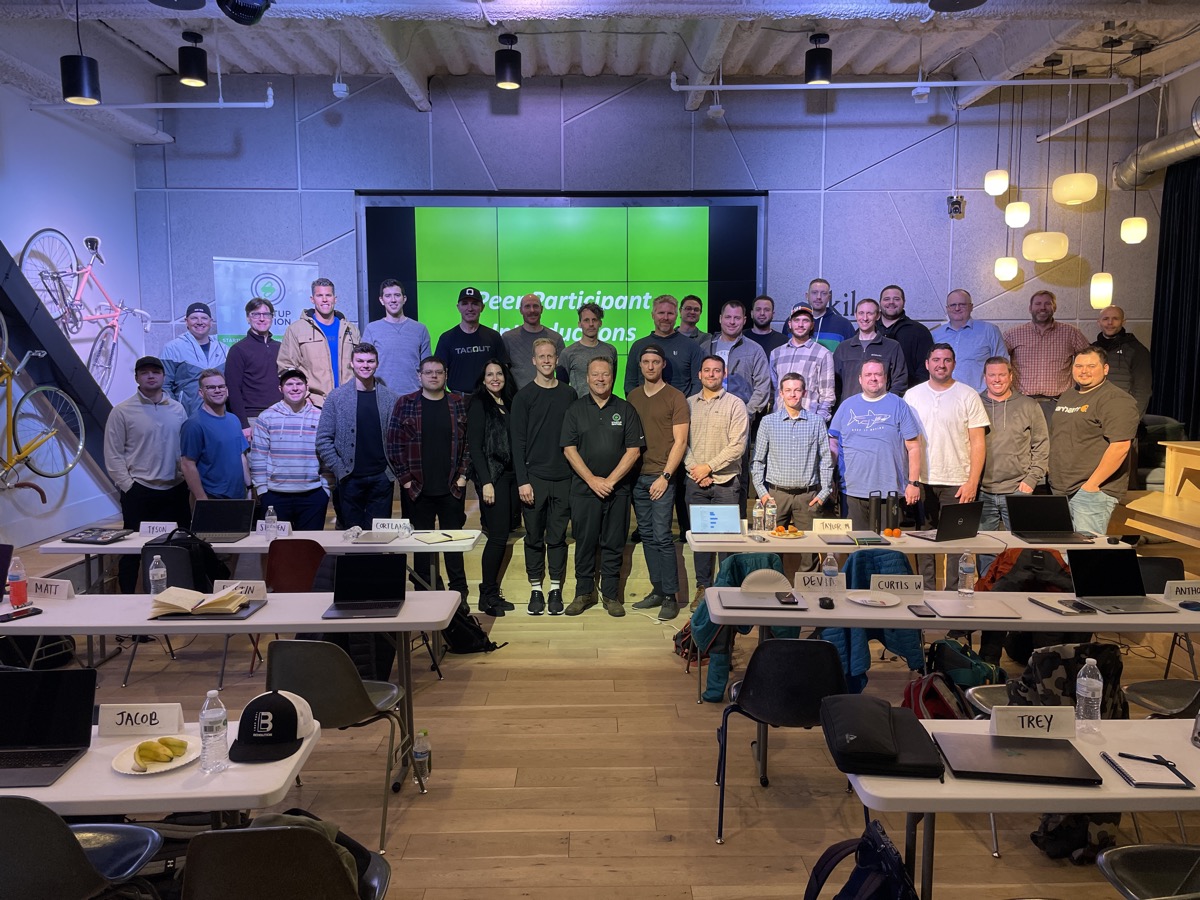
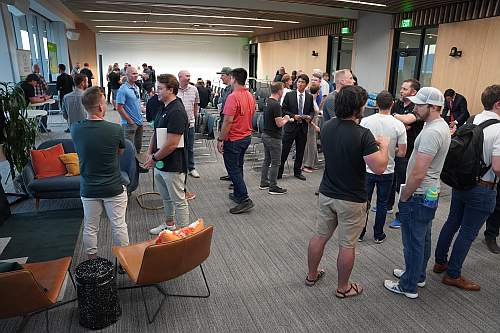
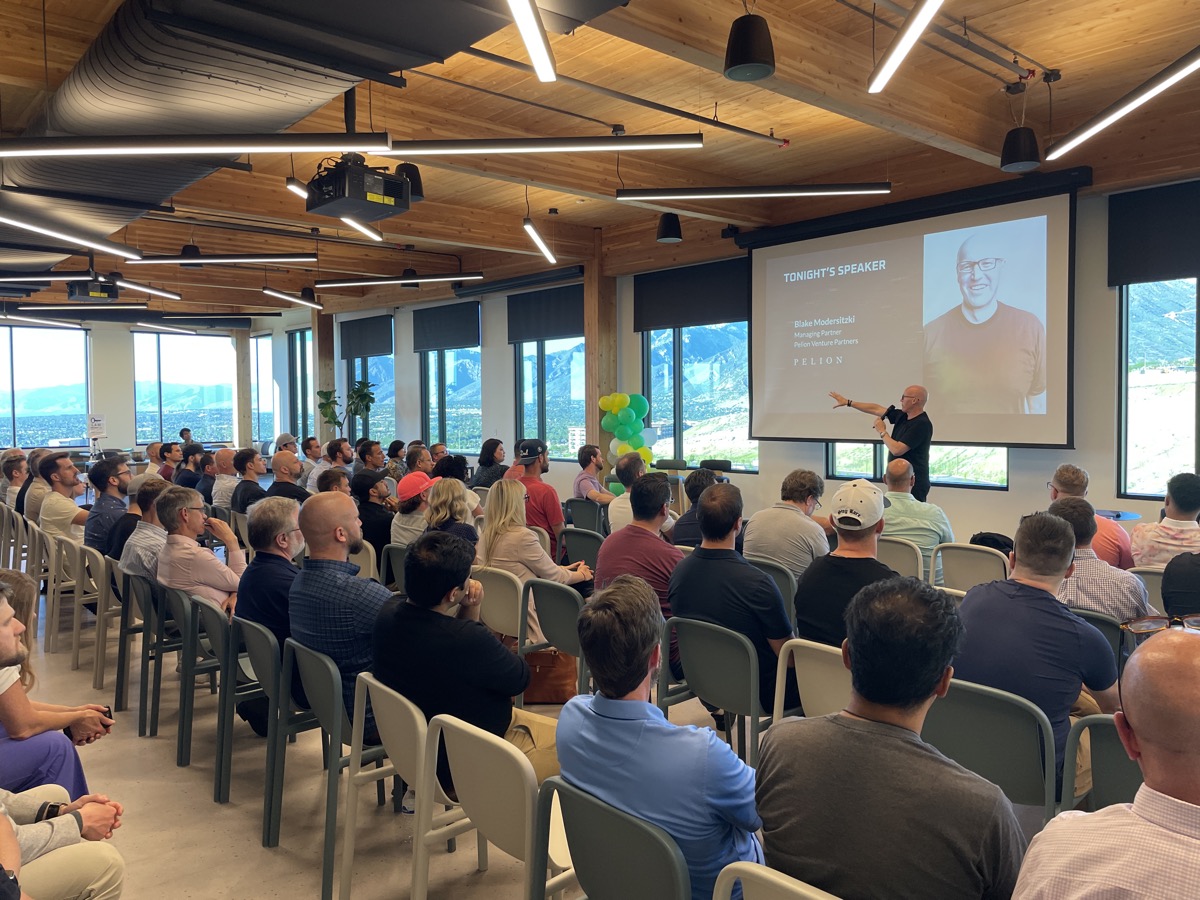
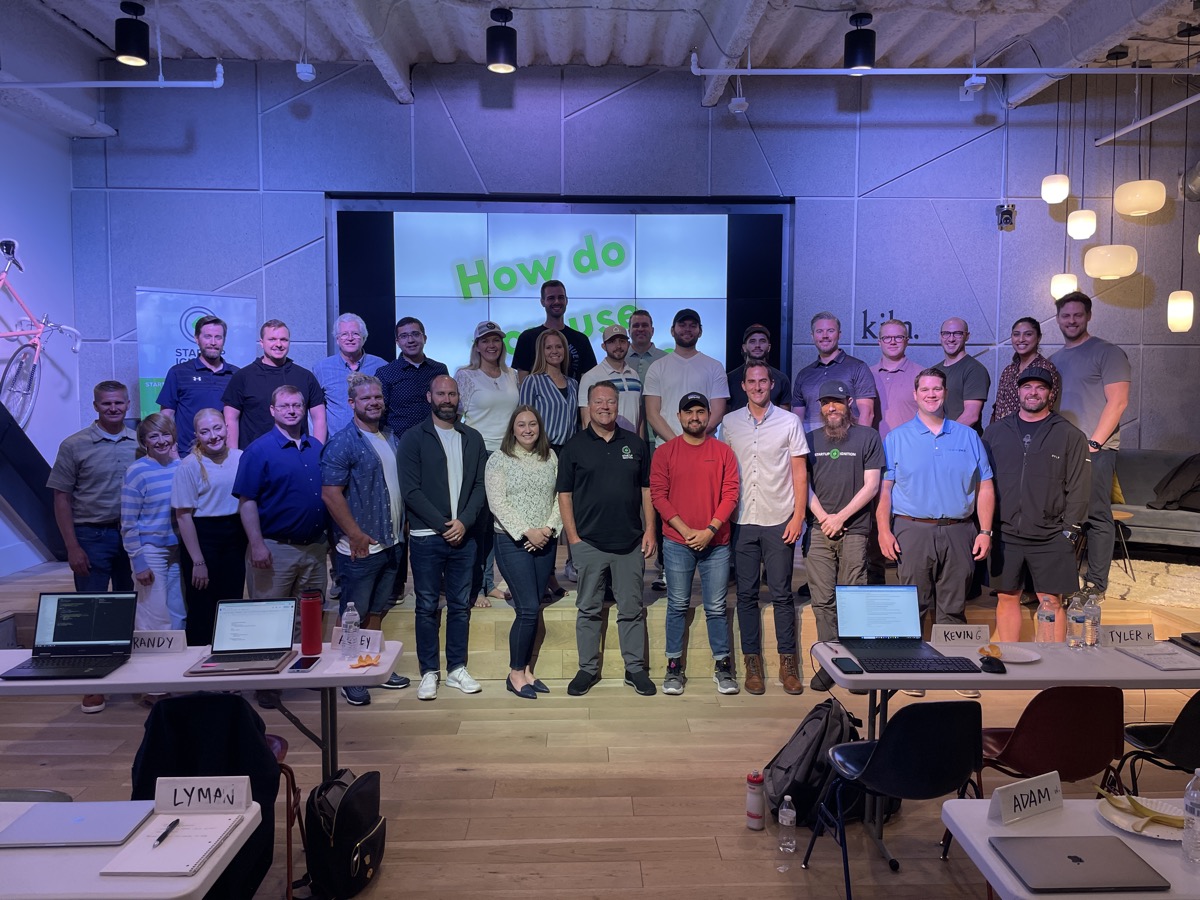
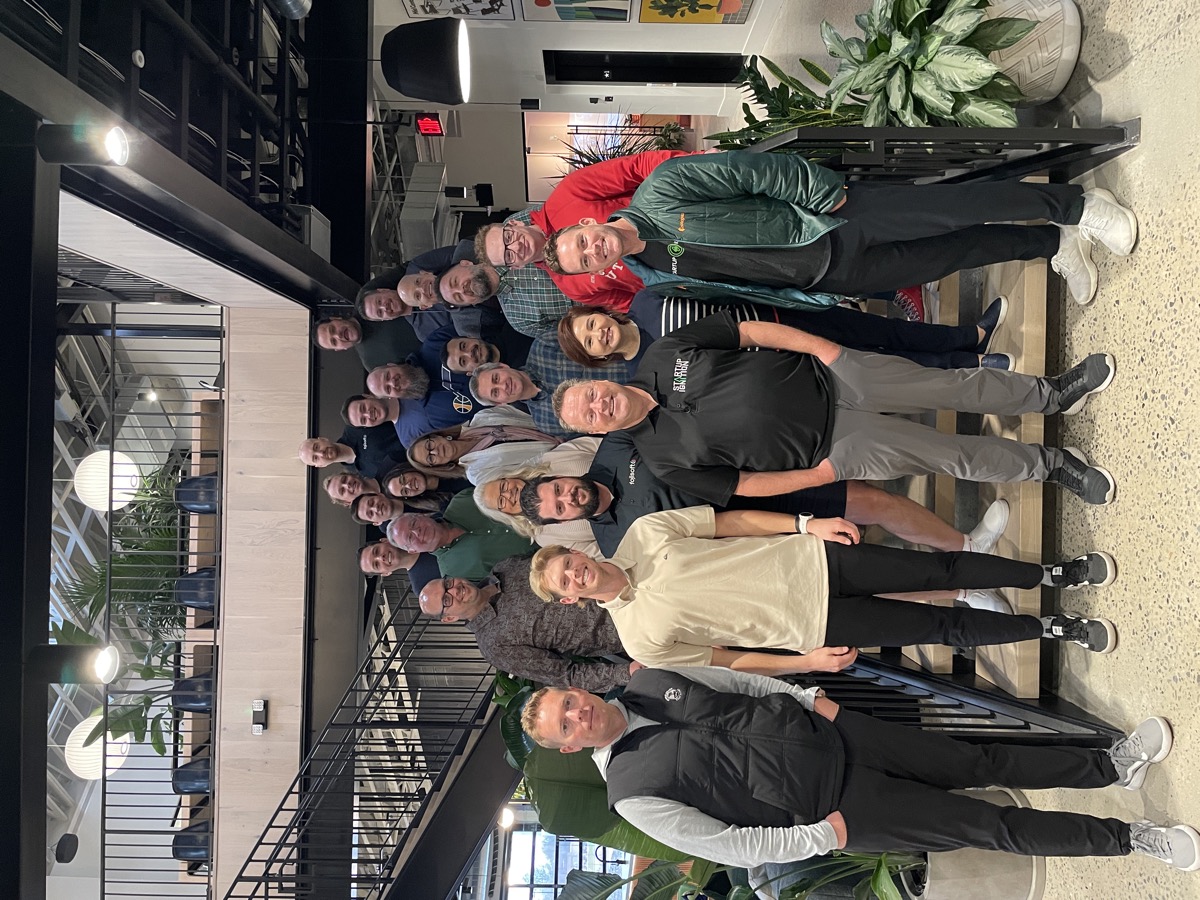
AT A GLANCE
9 AM – 5 PM (8 AM day one)
COURSE BENEFITS
The Startup Ignition Bootcamp gives you the tools, training, and network to turn your idea into a real business. Here's what you'll get:

IDEA VALIDATION
Learn to validate your startup idea using proven frameworks and real-world testing methods.

SKILL ACQUISITION
Acquire critical entrepreneurial skills from ideation through scaling and exit strategies.

SCALABLE STARTUPS
Build a startup designed to scale with sustainable business models and growth strategies.

HANDS-ON LEARNING
Engage in hands-on learning through real-life assignments designed to propel your venture forward.

MENTORSHIP
Work with expert mentors who will ensure you are well-prepared for each phase of growth.

PEER CRITIQUES
Benefit from peer critiques that offer diverse perspectives and valuable feedback on your work.

NETWORKING
Gain a network of subject matter experts and peers critical for the future of your startup.

RAPID PROCESS
Accelerate your startup journey with an intensive 3-day format. No homework required.

NEXT STEP READINESS
Leave with a clear path and actionable next steps to reach critical milestones.

CONTINUED SUPPORT
Access our alumni community, tools, and resources long after the bootcamp ends.
TUITION COST
*A small supply & material fee will be collected before/during class
INCLUDED IN TUITION
Entrepreneurs from a local startup that's doing it right provide a catered lunch for all students each day so they can present their startup as a learning opportunity for the class.
Packed beyond a typical 3-day bootcamp's curriculum, including real-world assignments designed to move the ball forward for every founder's business.
Access to our Startup Ignition alumni network, tools, and community resources after graduation.
HOW TO APPLY
Complete application form
Scheduled interview with a Startup Ignition team member
Receive acceptance email
You're in! See you in the bootcamp
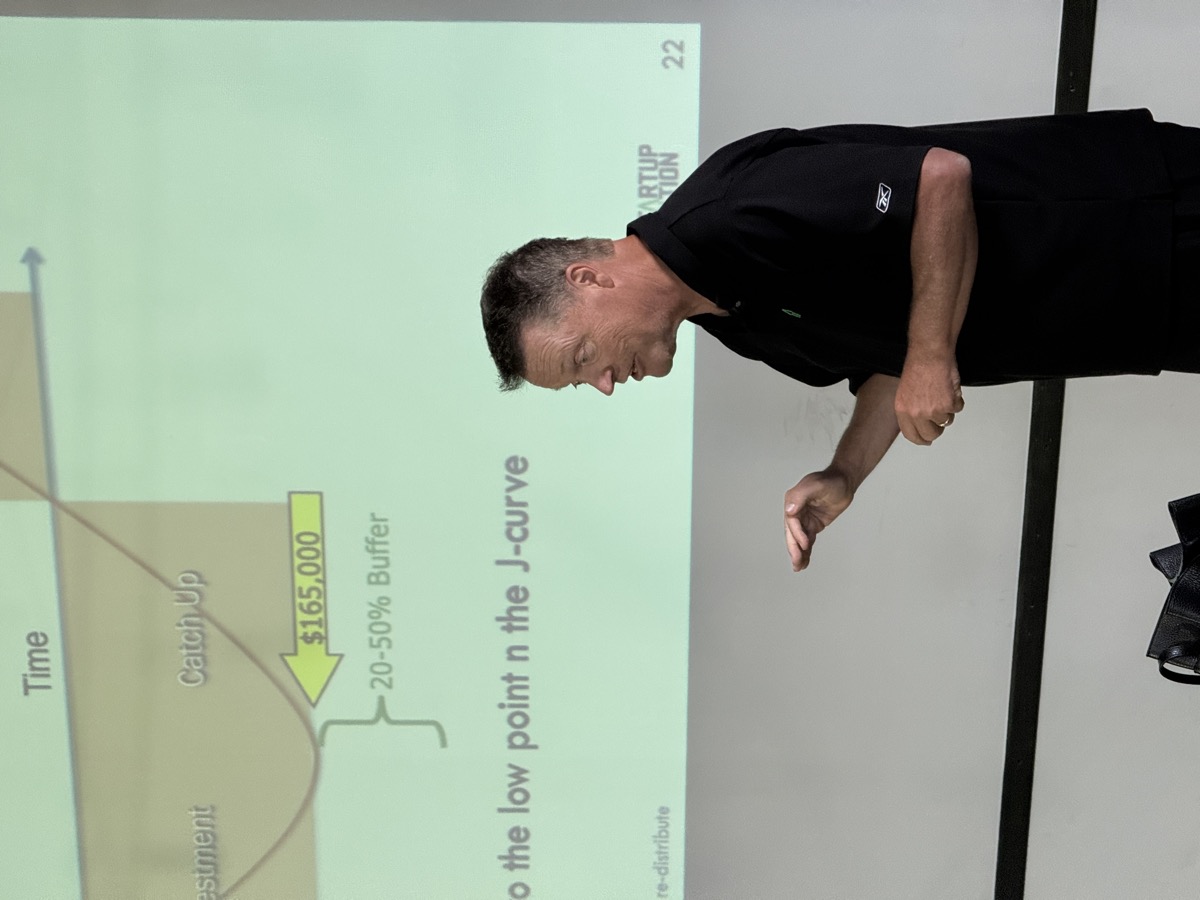
INSTRUCTORS

John Richards
Managing Partner
John has spent 30+ years building and backing startups. He helped scale one of the first online yellow pages into InfoSpace's multi-billion-dollar IPO, led operations for Google Fiber's Provo launch, and taught entrepreneurship at BYU for nearly two decades — where he was named one of the top 25 entrepreneurship educators in the U.S. He has invested in over 100 startups.

Tyler Richards
General Partner
Tyler is a three-time founder, best known for building and exiting DevMountain — one of the country's earliest coding bootcamps. He co-founded Startup Ignition with John in 2015 and has spent the past decade running its bootcamp, fund, and toolsuite. Named to BusinessQ's 40 Under 40 in 2025.
WHAT YOU'LL LEARN
ORIENTATION
01Startup Ignition ToolSuite setup. Google Docs/Drive for supplemental materials.
We communicate via email and our online community on the Startup Ignition ToolSuite — chat groups, discussions, posts, message boards, events, and more.
The Startup Ignition ToolSuite is your primary platform — AI-powered validation tools, content library, community, and progress tracking all in one place. Google Docs for supplemental slide decks and documents.
YOU & ENTREPRENEURSHIP
02Who you are — your goals, desires, strengths, weaknesses, and tolerance for risk is critical to success as an entrepreneur. You'll assess yourself and know what type of co-founder you are or will be. Life-balance issues.
Understanding entrepreneurship and its role in society. Making the choice to be an entrepreneur instead of working for someone else.
The 6 variants of entrepreneurial ventures and the distinctive motivations, transitions, and goals of each.
THE IDEA
03Moore's Law and Metcalfe's Law (The Network Effect) and how these "laws" may impact your entrepreneurial venture.
Associative thinking. Question the status quo. Find a problem, solve it. Express ideas in problem/solution terminology. When to hunt for problems to solve.
Road test new ideas using the Big Idea Canvas (by Furr & Ahlstrom) and the Wow! Factor Test (by Dr. Gary Rhoads). Assess pain magnitude, innovation type, market timing, and customer stickiness. Determine if an idea is a real opportunity or just an interesting concept. Run these tools in the ToolSuite.
Understanding the importance of scalability in creating value. How it is defined and how to start understanding the entrepreneurial world from its perspective. Why we focus on scalable ventures.
Will anyone really steal your idea? Should you use a NDA (non-disclosure agreement)? Patents, trademarks, and copyrights.
FOUNDING THE COMPANY
04Figuring out how much equity each co-founder should receive. A real tool for tracking value contributed. Fixed equity vs. dynamic equity.
Which entity to choose. Doing it right vs. el-cheapo. Not the place to skimp.
Understanding the opportunity at hand. Where the company could be and how much capital is needed to get there. The all-important early-stage cash flow projection.
Who should be founders? What diverse talents are needed? Cloning vs. complementary. Who should be key employees or contractors?
What a cap table is and why it matters from day one. How to structure ownership, model dilution across funding rounds, and avoid common cap table mistakes that kill deals later. Vesting schedules and 83(b) elections.
Key legal considerations and practical tips for founding your company the right way from day one.
NEGOTIATION
05The basic principles and theories of negotiation, including win-win and win-lose scenarios, and understanding BATNA (Best Alternative to a Negotiated Agreement).
How to prepare for a negotiation, including setting objectives, knowing your limits, understanding the other party's objectives and constraints, and gathering relevant information.
Different strategies and tactics used in negotiations, as well as when and how to apply them. Competitive vs. cooperative strategies, and specific techniques like anchoring, framing, and making the first offer.
Effective communication techniques, active listening, non-verbal communication, and the importance of clarity and assertiveness.
LEAN STARTUP
06Explaining failure and success. A framework for replicable processes. A startup is a search for a business model.
Introduction to the book and its frameworks for customer development and business model validation.
What is a business model? The common language. Building your Business Model Canvas in the ToolSuite. Pivoting. How do you know when an element is validated?
Customer discovery. Monetizable pain. Customer validation. Designing experiments. Quantitative and qualitative. Iterative. Token validation. Customer creation.
Identify your riskiest assumptions. Design low-cost experiments to test them. Move from hypothetical validation (what customers say) to actual validation (what customers do). Pre-sales, concierge MVPs, and landing page tests.
Three levels of MVP. Are you sure you're validated? Agile product development. MVC — Minimum Viable Company.
Numbers. Metrics. Key performance indicators. Users. Customers. Revenue. Revenue. Revenue.
SCALING: BUILDING A COMPANY
07Negotiating. Selling. Networking. Incentive plans.
Bookkeeping. Controller. CFO. Schedule C. Form 1099. Form K-1.
Hiring. Employment contracts. Payroll. Firing. FLSA. Exempt vs. Non-exempt. Work weeks. Overtime.
ADA. EEOC. OSHA. State sales tax. Sexual harassment. Discrimination. Business insurance. Independent contractor vs. employee status.
Contracts. Oral contracts. Leases. Managing your lawyer.
FINANCE
08How much capital is truly needed? Cap Tables — what they are and how to use them as a projection tool. The textbook case of raising working capital.
Your business model expressed in a spreadsheet. Abiding by the plan, seeing a financial roadmap, and keeping tabs on the financial health of the company while running and operating.
The venture capital ecosystem. Alternatives from bootstrapping to SBA loans. Preferred stock — liquidation preference, conversion preference, and more. Sources of capital. Common terms. How to negotiate.
Determining key performance indicators (KPIs). Key metrics for your venture. Ratio analysis.
Stock options. Stock appreciation rights. Profits interest. Phantom stock.
Elements of cash management. Basic financial laws. Cash flow cycle. Cash budgeting. Accounts receivable and payable. Client financing. Vendor financing. Barter. Tax efficiency.
AI TOOLS & STARTUP MENTOR
0915 AI-powered tools that walk you through the complete validation process — Idea Analysis, Big Idea Canvas, Wow! Factor Test, Customer Journey, Business Model Canvas, Riskiest Assumption Tests, AI-powered customer interviews, and more. Every methodology and framework taught in the bootcamp is built into the platform.
Your 24/7 AI mentor — trained on all of our proprietary and secondary data, including John Richards' 30+ years of startup investing experience and 200+ angel investments. Ask it anything about your idea, business model, fundraising strategy, or validation process.
Access to the founder community, content library, live events, masterclasses, and ongoing mentorship — all inside the ToolSuite. Your learning and support continues long after the bootcamp ends.
3 DAY STARTUP BOOTCAMP
IN DALLAS, TEXAS
Join 1,000+ founders who've learned to validate, launch, and grow — the right way.
Apply to Dallas, Texas Bootcamp