
50 Best Startup Ideas for 2026 (Ranked by Investors)
There were 235,800 new apps submitted to Apple’s App Store in Q1 2026 alone. Everyone is building. The hard part isn’t starting. It’s picking the right thing to start.
We review hundreds of startup pitches every year as pre-seed investors and have mentored over 1,000 founders through our startup bootcamp. We see which ideas get funded, which ones fail, and which ones founders wish they’d never pursued. This list comes from that experience, not from Googling “business ideas.”
Whether you’re a technical founder looking for your next AI play, a side hustler ready to go full-time, or someone who just knows they want to build something, there’s an idea here for you. We’ve included everything from $0-to-start service businesses to venture-scale software plays.
What’s in this list
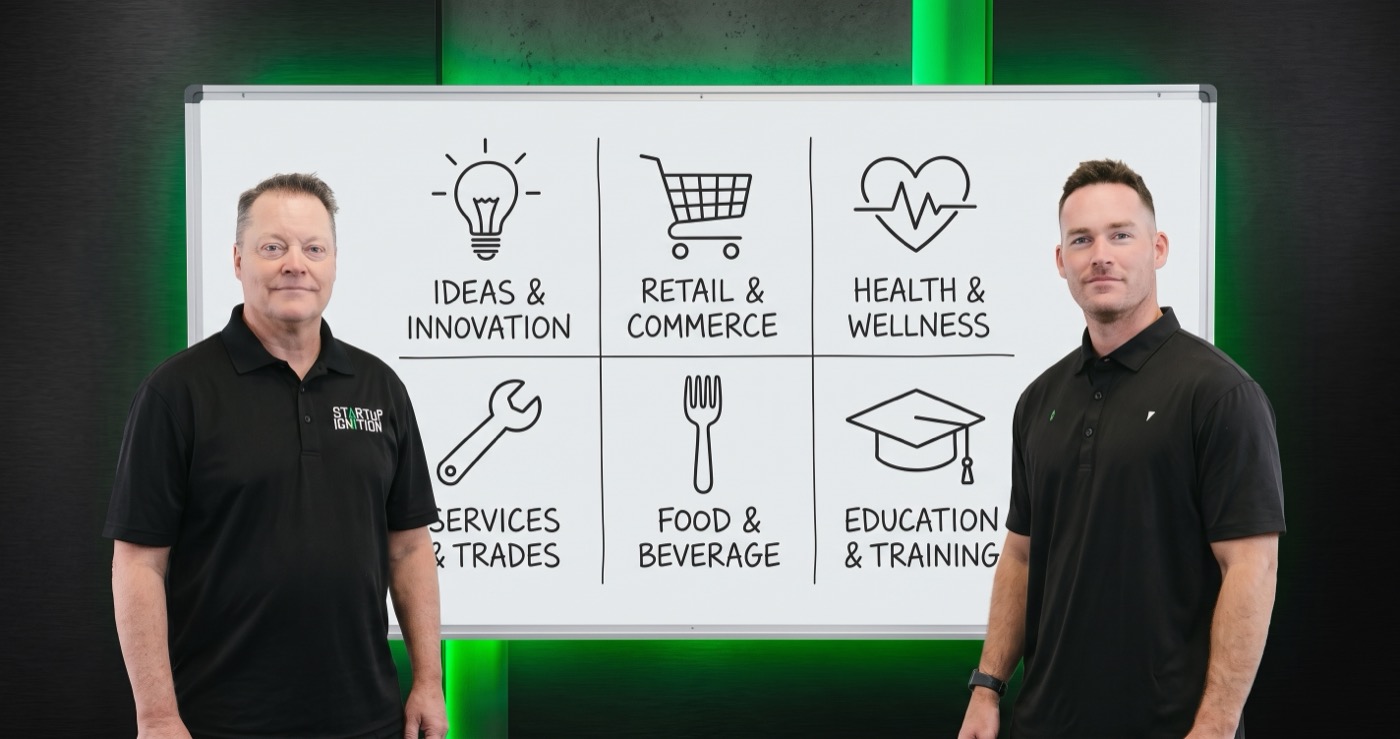
50 ideas across 6 categories, each with startup costs, difficulty level, and a saturation rating so you know how competitive the space is before you jump in.
- AI & Software (10 ideas) for technical founders and SaaS builders
- E-Commerce & Products (8 ideas) for DTC brands, online stores, and physical products
- Health, Wellness & Fitness (8 ideas) for the fastest-growing consumer market
- Services & Agencies (8 ideas) for low-cost, high-margin businesses you can start today
- Food, Beverage & Consumer (8 ideas) for food entrepreneurs and product brands
- Education, Creator & Community (8 ideas) for courses, coaching, memberships, and the creator economy
We also included 5 ideas you should skip because they’re oversaturated or about to be wiped out by frontier AI models.
Saturation ratings:
- few competitors, clear gap in the market
- growing competition but room to differentiate
- many funded competitors, hard to stand out without a strong wedge
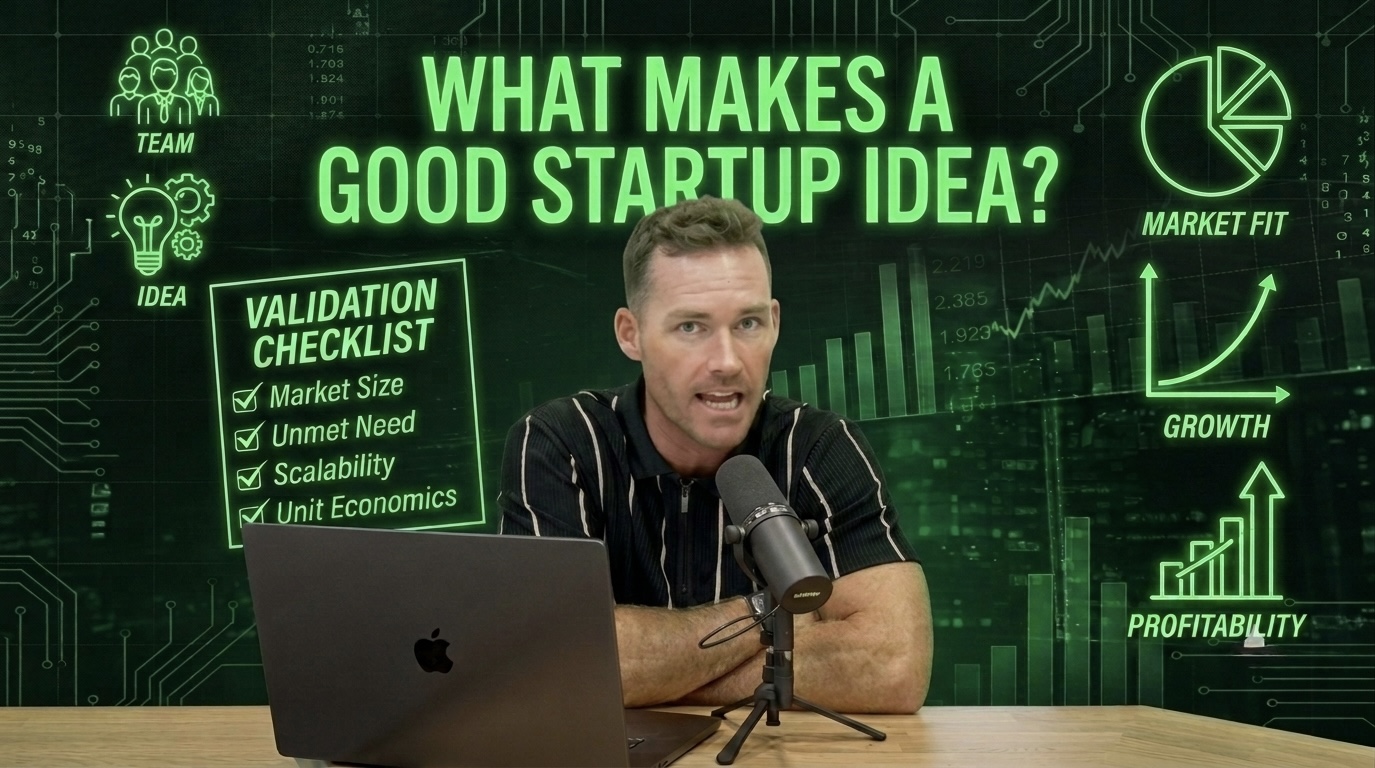
One thing before you dive in: 42% of startups fail because there’s no market need. Finding an idea is step one. Validating it is what actually matters.
AI & Software (10 Ideas)
The AI market absorbed $89 billion in VC funding in 2025. But the window for generic, horizontal AI tools is closed. The real opportunity in 2026 is vertical AI that transforms specific workflows in specific industries. If your customer would never vibe code the solution themselves, you have a business.
1. AI Scheduling and Dispatch for Home Service Businesses
What it is: An AI-powered tool that handles booking, routing, and dispatch for HVAC, plumbing, pest control, or cleaning companies. Replaces the office manager juggling phone calls and spreadsheets. Who it’s for: Intermediate · $10K-50K · Online Why 2026: Home service businesses are desperate for automation but too busy to build or configure tools themselves. This aligns with YC’s “Operating Systems for Physical World” thesis.
2. AI Voice Agent for Small Business Phone Calls
What it is: An AI agent that answers phone calls for small businesses: takes messages, books appointments, qualifies leads, and handles FAQs. The customer never knows they’re talking to AI. Who it’s for: Intermediate · $5K-20K · Online Why 2026: Small businesses miss 62% of incoming calls. Every missed call is lost revenue. AI voice quality crossed the “good enough” threshold in 2025. Multiple YC companies are now in this space, validating the market.
3. Vertical Practice Management Software
What it is: All-in-one business management for a specific industry like orthodontics, veterinary clinics, tattoo shops, or martial arts studios. Scheduling, billing, patient/client records, and reporting. Who it’s for: Advanced · $50K+ · Online Why 2026: These professionals will never vibe code their own software. They need purpose-built tools, and many existing solutions are outdated or overpriced. a16z calls this “Ripping Out Legacy Systems of Record.”
4. AI Compliance and Regulatory Assistant
What it is: An AI tool that monitors regulatory changes and automatically updates a company’s compliance documentation, training materials, and audit trails. Who it’s for: Advanced · $20K-50K · Online Why 2026: The EU AI Act enforcement begins August 2026. Every company using AI needs compliance tooling, and most are scrambling. Both YC and a16z have flagged this as a top opportunity (“AI-Native Compliance Infrastructure”).
5. AI Agent Monitoring and Cost Control
What it is: A dashboard that tracks, debugs, and controls spending across an organization’s fleet of AI agents. Think Datadog for AI agents. Who it’s for: Advanced · $50K+ · Online Why 2026: Companies are deploying dozens of AI agents with no visibility into what they’re doing or costing. Infrastructure is always underserved early in a platform shift.
6. AI-Powered Proposal and Estimate Builder
What it is: A tool that generates professional proposals, estimates, and SOWs from a simple voice memo or text description. Tailored for contractors, freelancers, and agencies. Who it’s for: Beginner · $1K-10K · Online Why 2026: Contractors lose deals because their estimates look unprofessional or take too long. AI can make a $10K proposal look like it came from a $10M company.
7. AI Sales Development Rep (SDR) Tool
What it is: An AI agent that handles outbound sales prospecting: researches leads, writes personalized emails, follows up, and books meetings. Replaces or augments a human SDR at a fraction of the cost. Who it’s for: Intermediate · $10K-50K · Online Why 2026: A human SDR costs $60-80K/year. An AI SDR tool can do 80% of the work for $500/month. One of the fastest-growing AI categories, with multiple companies raising Series A rounds in 2025-2026.
8. AI Bookkeeping for Creator Businesses
What it is: Automated bookkeeping that understands multi-platform creator revenue (YouTube, TikTok, brand deals, merch, courses) and handles tax categories, quarterly estimates, and deductions. Who it’s for: Intermediate · $5K-20K · Online Why 2026: 50+ million people identify as creators. Most have terrible financial hygiene and overpay their accountants. No major player owns this niche yet.
9. AI-Powered Legal Tech Platform
What it is: An AI tool for contract review, legal research, document generation, or compliance checking. Built for small law firms, solo practitioners, or businesses without in-house counsel. Who it’s for: Advanced · $20K-50K · Online Why 2026: Lawyers spend 60% of their time on tasks AI can handle. Enterprise legal tech exists (Harvey AI) but tools for small firms and businesses are scarce and overpriced.
10. Deepfake Detection and Digital Identity Verification
What it is: Tools that verify whether content (video, audio, images) is real or AI-generated, and platforms that verify human identity in an increasingly AI-saturated world. Who it’s for: Advanced · $50K+ · Online Why 2026: YC’s Fall 2026 RFS includes “Proving You’re Human.” As AI-generated content becomes indistinguishable from real content, verification infrastructure becomes critical. This is a generational opportunity.
E-Commerce & Products (8 Ideas)
You don’t need to be a software engineer to start a startup. E-commerce and product businesses are some of the most accessible entry points for first-time founders. The key is finding a niche, validating demand, and starting lean.
11. Personalized Supplement Subscription
What it is: A monthly subscription of vitamins and supplements tailored to the customer’s health data, goals, and lifestyle. Quiz-to-pack personalization with ongoing adjustments based on results. Who it’s for: Intermediate · $10K-50K · Online Why 2026: The longevity movement is mainstream. GLP-1 supplements alone are showing +1,150% search growth. The global supplement market is growing at 29.6% annually toward $48 billion by 2033.
12. GLP-1 Companion Products
What it is: Products and services designed for the millions of people on GLP-1 medications (Ozempic, Wegovy, Mounjaro): high-protein meal plans, muscle-preserving supplements, skin elasticity products, or nutritional coaching specifically for GLP-1 users. Who it’s for: Intermediate · $5K-30K · Online Why 2026: a16z flagged GLP-1 as one of the most transformative health trends of the decade. 25+ million Americans are projected to be on GLP-1 medications by 2030. These patients have specific nutritional and fitness needs that nobody is serving well yet.
13. Functional Beverage Brand
What it is: A DTC brand selling beverages with functional benefits: adaptogen-infused drinks, nootropic coffees, gut-health sodas, or electrolyte blends. High margins (55-70%), strong subscription potential. Who it’s for: Intermediate · $5K-20K · Online Why 2026: The functional beverage market is growing 8%+ annually. Consumers are actively seeking drinks that do something beyond hydrate. Brands like Olipop and Mud/Wtr have proven massive demand.
14. Personalized Pet Products
What it is: Custom pet food, supplements, or accessories based on breed, size, age, and health conditions. DNA-based nutrition plans, breed-specific supplements, or smart health monitoring collars. Who it’s for: Intermediate · $10K-50K · Online Why 2026: The pet industry is $70.6 billion and growing to $125 billion by 2033. Pet owners spend more than ever and treat pets like family. Personalization is the next frontier after premium kibble.
15. AI-Designed Custom Merchandise Platform
What it is: A platform where customers describe what they want (a t-shirt for their fishing club, stickers for their kid’s birthday party) and AI generates professional designs instantly. Integrated with print-on-demand fulfillment. Who it’s for: Intermediate · $5K-20K · Online Why 2026: Traditional print-on-demand requires design skills. AI eliminates that barrier entirely. The person who wants 50 custom hats for their company retreat can now go from idea to order in minutes.
16. Curated Niche Hobby Subscription
What it is: A monthly box of curated products for a hyper-specific hobby: home fermentation kits, amateur astronomy accessories, fly tying materials, or watercolor painting sets. The more specific, the more willing people are to pay a premium. Who it’s for: Beginner · $5K-15K · Online Why 2026: Generic subscription boxes are dying but hyper-niche ones are thriving because they serve passionate communities that can’t find these products easily in retail. (in specific niches)
17. Resale and Upcycled Fashion Brand
What it is: A curated secondhand or upcycled clothing brand. Source from thrift stores, estate sales, or overstock, then resell through your own brand with styling, storytelling, and AI-powered pricing. Who it’s for: Beginner · $1K-5K · Online/Hybrid Why 2026: The US secondhand clothing market is projected to hit $74 billion by 2029. Gen Z and millennials actively prefer resale over fast fashion. AI authentication and pricing tools make this more scalable than ever.
18. Sustainable Home Products Brand
What it is: A DTC brand selling specific eco-friendly alternatives: refillable cleaning systems with smart dispensers, plastic-free baby products, or compostable kitchen supplies. Not generic “eco-friendly everything” but one focused product line done well. Who it’s for: Intermediate · $5K-20K · Online Why 2026: 78% of consumers say sustainability influences purchasing decisions. The winners are brands that nail one specific product category, not ones that try to sell everything.
Health, Wellness & Fitness (8 Ideas)
Health and wellness is one of the most durable startup categories because the demand never goes away. In 2026, the trends are personalization, longevity, mental health, and serving aging populations.
19. AI Health Coach for Metabolic Health
What it is: An AI-powered health coaching platform for people managing metabolic conditions: prediabetes, insulin resistance, or GLP-1 medication transitions. Combines continuous glucose monitor data with personalized nutrition and exercise plans. Who it’s for: Intermediate · $10K-50K · Online Why 2026: 88 million Americans are prediabetic. GLP-1 medications are creating a massive population that needs ongoing metabolic health support. Generic health apps don’t address this specific need.
20. AI-Powered Fitness Programming
What it is: A fitness app or service that generates personalized workout programs using AI, adjusted weekly based on progress, recovery data, and goals. Integrates with wearables for real-time adaptation. Who it’s for: Intermediate · $5K-20K · Online Why 2026: Generic workout apps are everywhere, but truly adaptive programming that responds to your body is still rare. Wearable data (Apple Watch, Whoop, Oura) makes this possible now.
21. Mental Wellness Platform for a Specific Population
What it is: A mental health platform built for one specific audience: first-generation college students, new fathers, healthcare workers, first responders, or veterans. Tailored content, community, and matching with specialized therapists. Who it’s for: Intermediate · $10K-50K · Online Why 2026: Headspace and Calm own the general market. The opportunity is in underserved groups who need culturally specific support, not another generic meditation timer.
22. Senior Care Technology
What it is: Tools that help aging adults live independently longer: medication management, fall detection, simplified communication devices, or coordination platforms for family caregivers. Who it’s for: Advanced · $20K-50K · Online/Hybrid Why 2026: 10,000 Americans turn 65 every day. YC’s Fall 2026 RFS specifically calls out “AI for the Aging Population” including robotics and care coordination. Products designed FOR seniors (not adapted from products built for 25-year-olds) are still rare.
23. Longevity and Biohacking Products
What it is: A brand selling longevity-focused products: NAD+ supplements, red light therapy devices (45-60% margins), cold plunge tubs, continuous glucose monitors with coaching, or at-home blood panel testing kits. Who it’s for: Intermediate · $10K-50K · Online Why 2026: The longevity market is growing 29.6% yearly toward $48 billion. Bryan Johnson made biohacking mainstream. The audience is large, informed, and willing to spend significantly.
24. Carbon Accounting and ESG Reporting for SMBs
What it is: A simple, affordable tool that helps small and mid-sized businesses measure, track, and report their carbon footprint and ESG metrics. Most existing solutions are built for enterprises at enterprise prices. Who it’s for: Intermediate · $5K-20K · Online Why 2026: ESG reporting requirements are expanding globally and trickling down to smaller companies. Regulatory pressure is real, but a $100K enterprise platform doesn’t work for a 50-person company.
25. Telehealth for Underserved Specialties
What it is: A telehealth platform focused on a specific medical specialty that’s hard to access in person: dermatology, speech therapy, pelvic floor physical therapy, or pediatric behavioral health. Who it’s for: Advanced · $50K+ · Online Why 2026: General telehealth is commoditized (Teladoc, Amwell) but specialty access is still terrible, especially in rural areas. Wait times for some specialties exceed 3 months.
26. Menopause and Hormonal Health Products
What it is: A brand or platform addressing menopause and hormonal health with supplements, educational content, community, and telehealth. A massively underserved market of 1.1 billion women globally. Who it’s for: Intermediate · $10K-50K · Online Why 2026: The menopause market is finally getting investor attention. Companies like Alloy and Evernow are proving traction. Stigma is decreasing and spending is increasing. The $600B+ women’s health market has massive gaps.
Services & Agencies (8 Ideas)
Service businesses are the fastest way to start generating revenue with almost no upfront capital. The 2026 playbook: use AI to deliver more value with fewer hours, then productize into software or scale with a team.
27. AI-Enhanced Consulting for SMBs
What it is: Take your existing professional expertise (marketing, finance, operations, supply chain) and offer consulting services powered by AI. Deliver deeper analysis, faster reports, and more insights than a traditional consultant. One person with AI can now do the work of a five-person team. Who it’s for: Beginner · $0-1K · Online Why 2026: AI has made individual consultants capable of Fortune 500-level analysis at small business prices. The arbitrage between what AI enables and what clients expect is massive right now.
28. AI-Generated UGC and Synthetic Media Platform
What it is: A platform that creates authentic-looking video content for brands using AI: synthetic product demos, AI-generated testimonials, or AI-enhanced user reviews. Brands pay $150-500 per asset instead of $2,000+ for traditional production. Who it’s for: Intermediate · $5K-20K · Online Why 2026: UGC outperforms polished brand content in ads. AI can now generate synthetic UGC that’s indistinguishable from real footage. The service model (hiring real UGC creators) is being disrupted by the software model.
29. AI Video Repurposing Platform
What it is: Software that takes long-form content (podcasts, webinars, conference talks) and automatically generates 15-30 short-form assets: social clips, blog posts, LinkedIn carousels, email sequences, and audiograms. Who it’s for: Intermediate · $5K-20K · Online Why 2026: 94% of marketers repurpose content but most do it manually. Tools like Opus Clip and Castmagic proved the concept. The opportunity is in building an all-in-one platform tailored to specific verticals (B2B SaaS, real estate, healthcare).
30. Fractional CFO and Financial Operations
What it is: Providing part-time CFO services to startups and small businesses: financial reporting, cash flow management, fundraising support, tax strategy, and board-ready financials. Package as a monthly retainer. Who it’s for: Intermediate · $0-5K · Online Why 2026: Startups can’t afford a full-time CFO ($200K+) but desperately need financial guidance, especially for fundraising. “Fractional” roles are becoming the standard for early-stage companies.
31. AI Tutoring Platform for K-8 or Test Prep
What it is: An AI-powered tutoring platform focused on a specific educational niche: K-8 math, SAT/ACT prep, coding for kids, or language learning. Personalized learning paths, instant feedback, and progress tracking for parents. Who it’s for: Intermediate · $5K-20K · Online Why 2026: YC’s Fall 2026 RFS includes “The Primer” (AI education for children). Online tutoring searches are up 300% YoY. Parents are spending more on education outside of school. AI makes personalization possible at scale.
32. AI-Powered Local SEO Platform
What it is: A tool that manages Google Business Profiles, local citations, review responses, and local search rankings for small businesses. Auto-generates posts, responds to reviews with brand-appropriate tone, and optimizes for local discovery. Who it’s for: Beginner · $1K-10K · Online Why 2026: 87% of consumers use Google to evaluate local businesses. Most small businesses have no idea how to manage their online presence. You can charge $200-500/month per client and serve hundreds with automation.
33. Drone Services Business
What it is: A service business offering drone-based inspection, surveying, mapping, or photography for industries like construction, real estate, agriculture, insurance, and energy. Who it’s for: Intermediate · $5K-30K · Offline/Hybrid Why 2026: Drone hardware costs dropped 60% since 2020. FAA Part 107 certification is straightforward. Industries like construction and insurance are actively seeking drone data but don’t want to operate drones themselves.
34. AI Recruiting and Hiring Platform
What it is: An AI tool that screens resumes, conducts initial interviews (text or video), scores candidates, and surfaces the best fits. Built for small and mid-sized companies that can’t afford a recruiting team. Who it’s for: Advanced · $20K-50K · Online Why 2026: Hiring is the #1 pain point for growing companies. Enterprise tools (Lever, Greenhouse) are expensive and complex. SMBs need something simple and AI-native. Multiple YC companies are now in this space.
Food, Beverage & Consumer (8 Ideas)
Food and beverage is one of the oldest startup categories for a reason: everyone eats. The 2026 trends are health-conscious, convenience-driven, and built around specific dietary movements.
35. Meal Prep Delivery for Specific Diets
What it is: A local or regional meal prep service targeting a specific dietary need: GLP-1 compatible high-protein meals, keto, allergen-free for families, or macro-counted meals for bodybuilders. Who it’s for: Intermediate · $10K-50K · Hybrid Why 2026: The meal kit market is growing at 8.8% annually. Generic meal delivery is crowded, but niche dietary meal prep is wide open in most cities. The GLP-1 angle alone is a massive differentiator.
36. Non-Alcoholic Beverage Brand
What it is: A brand creating craft non-alcoholic cocktails, spirits, beer, or wine. The “sober curious” movement is driving massive demand and premium pricing. Who it’s for: Intermediate · $10K-50K · Online/Hybrid Why 2026: Athletic Brewing hit $90M+ revenue. The US non-alcoholic beverage market is projected to hit $246 billion by 2032. Gen Z drinks 20% less alcohol than millennials. This is a structural shift, not a trend.
37. Ghost Kitchen / Cloud Kitchen
What it is: A delivery-only restaurant operating out of a shared commercial kitchen. No storefront, no waitstaff, no dining room. Test cuisine concepts with minimal risk and pivot quickly based on demand data. Who it’s for: Intermediate · $10K-30K · Hybrid Why 2026: Food delivery is embedded in daily life. Ghost kitchens eliminate the biggest cost in restaurants (real estate) while letting you test concepts quickly. The hype cycle has cooled, which means less competition and more realistic economics.
38. High-Protein / GLP-1 Compatible Snack Brand
What it is: A packaged snack brand specifically designed for the GLP-1 medication crowd: high-protein, nutrient-dense, small-portion snacks that support muscle preservation and satiety. Think protein cookies, bone broth bites, or collagen gummies. Who it’s for: Intermediate · $10K-50K · Online/Hybrid Why 2026: 25+ million Americans will be on GLP-1 medications. These patients need specific nutritional support. a16z flagged GLP-1 as a massive consumer opportunity. Nobody owns the “snacks for GLP-1 users” category yet.
39. Allergen-Free Bakery Brand (DTC + Retail)
What it is: A bakery brand focused on a specific allergen-free niche: gluten-free, nut-free, dairy-free, or top-8-allergen-free baked goods. Start from a home kitchen under cottage food laws, scale to DTC and wholesale. Who it’s for: Beginner · $1K-10K · Hybrid Why 2026: Food allergies affect 32 million Americans. Parents of allergic kids are desperate for safe, delicious options. The path from farmers market to Whole Foods shelf is well-documented and repeatable.
40. EV Charging Installation and Management
What it is: A service business that installs electric vehicle chargers in homes, apartment buildings, and commercial properties. Handle permitting, installation, maintenance, and help property owners navigate federal rebates. Who it’s for: Intermediate · $10K-30K · Offline Why 2026: EV adoption is accelerating but charging infrastructure is lagging badly. Apartment buildings and commercial properties are especially underserved. Federal incentives (IRA) are driving demand.
41. Vertical AI for Construction Management
What it is: AI-powered software for construction companies: automated project scheduling, cost estimation, materials ordering, safety compliance tracking, or subcontractor coordination. Purpose-built for how construction actually works. Who it’s for: Advanced · $20K-50K · Online Why 2026: Construction is a $2 trillion industry running on spreadsheets, phone calls, and paper. YC’s “Operating Systems for Physical World” thesis directly applies. Existing tools (Procore, PlanGrid) are enterprise-priced. Mid-market and small GCs are completely underserved.
42. Home Energy Retrofit Service
What it is: A service that audits homes for energy efficiency and coordinates retrofits: insulation, smart thermostats, solar panels, heat pumps, and weatherization. Help homeowners navigate rebates, tax credits, and the IRA incentives they don’t know they qualify for. Who it’s for: Intermediate · $5K-20K · Offline Why 2026: Federal energy incentives are driving massive demand. Most homeowners don’t know what they qualify for or where to start. The person who simplifies this process wins.
Education, Creator & Community (8 Ideas)
The creator economy is worth $260 billion. The online education market is $400 billion. And most people in both spaces are doing it wrong. The opportunity in 2026 isn’t building another course platform. It’s using existing tools to build a real business around your knowledge, audience, or expertise.
43. Niche Cohort-Based Course
What it is: A cohort-based course in a specific high-value niche: AI for real estate agents, financial modeling for founders, negotiation for sales teams. Use existing platforms (Maven, Kajabi, Circle) and focus on the curriculum and community. Charge $1,000-$3,000 per cohort. Who it’s for: Beginner · $2K-10K · Online Why 2026: Cohort-based courses have 85-96% completion rates vs. 10-20% for self-paced. AI tools let a single instructor build a full curriculum in days. The platforms exist. The gap is specific, high-quality content. (in most verticals)
44. AI Upskilling Academy for Non-Technical Professionals
What it is: Training programs teaching AI workflow integration to specific professional roles: HR managers, accountants, marketers, real estate agents. Not “learn to code AI” but “use AI tools to 10x your current job.” Role-specific playbooks, templates, and live workshops. Who it’s for: Intermediate · $3K-15K · Online Why 2026: 85% of employers plan to prioritize upskilling. Nearly 4 in 10 organizations are actively reskilling employees due to AI. But formal training for non-technical roles barely exists. Everyone teaches “how to use ChatGPT” and nobody teaches “how to use AI as an accountant.”
45. Productized Coaching Practice with AI
What it is: Take a coaching niche (executive leadership, career transitions, sales performance) and productize it: pre-recorded frameworks + weekly group calls + AI-driven accountability between sessions. Serve 50-200 clients instead of 5-10 at a time. Who it’s for: Intermediate · $5K-20K · Online Why 2026: AI now handles the “between session” work: personalized check-ins, progress tracking, content recommendations. The coaching industry has grown 54% since 2019 but most coaches still trade hours for dollars. Productized models are the unlock.
46. Paid Newsletter + Community Bundle
What it is: A premium newsletter in a specific professional niche (restaurant owners, DTC brand operators, SaaS founders at $1-5M ARR) paired with a private community. $10-30/month. The newsletter is the hook, the community is the retention engine. Who it’s for: Beginner · $500-3K · Online Why 2026: Paid newsletter revenue has tripled. The key insight: niche matters more than size. Food and drink newsletters retain subscribers for 20 months on average vs. 6 months for general finance newsletters. Community bundling is the 2026 retention unlock. (in niche verticals)
47. Creator Business Operating System
What it is: An all-in-one platform for mid-tier creators (10K-100K followers) that handles invoicing, contracts, tax prep, brand deal management, revenue tracking, and financial planning. Think “QuickBooks meets Notion” built specifically for creators. Who it’s for: Intermediate · $5K-20K · Online Why 2026: Successful creators earning $150K+ maintain 7 revenue streams on average. But mid-tier creators have zero business infrastructure. The tools exist separately (Kajabi, Beehiiv, QuickBooks) but nobody has unified them for the creator use case.
48. AI Content Engine for B2B Companies
What it is: Software that takes a company’s existing knowledge base (sales calls, support tickets, internal docs, webinars) and automatically generates marketing content: blog posts, case studies, social content, email sequences, and sales collateral. Who it’s for: Intermediate · $10K-30K · Online Why 2026: B2B companies sit on goldmines of internal content they never repurpose. AI can now transform a single customer call into a case study, a blog post, and a LinkedIn carousel automatically. The done-for-you service model is being replaced by self-serve software.
49. Niche Professional Peer Network
What it is: A paid membership community for a specific professional cohort: first-time CTOs, women in private equity, independent consultants, or agency owners at $1-5M revenue. Annual membership ($500-2,000/year) with curated introductions, peer advisory groups, and exclusive content. Who it’s for: Beginner · $2K-8K · Online Why 2026: LinkedIn fatigue is pushing professionals toward smaller, curated networks. Paid communities show 60% more active engagement than free alternatives. The membership platform market is growing at 16.5% annually.
50. Trade Skills Digital Academy
What it is: Online and hybrid training for skilled trades: plumbing, electrical, HVAC, welding. Video instruction, certification prep, and job placement. Target career changers (white-collar workers moving to trades) and existing tradespeople upskilling for new tech (heat pumps, EV chargers, solar). Who it’s for: Advanced · $10K-50K · Online/Hybrid Why 2026: The skilled trades labor shortage is 500,000+ unfilled positions. College enrollment is declining. New technologies require upskilling that existing trade schools don’t cover. The “trades renaissance” narrative hit mainstream, but online training options are still almost nonexistent.
5 Ideas to Skip in 2026
Not every idea is worth pursuing. These categories are oversaturated, commoditized, or at risk of being wiped out by frontier AI models. If you’re working on one of these, you’ll need a very strong differentiator to survive.
AI Writing Assistants — 100+ funded competitors. ChatGPT, Claude, and Gemini do this natively now. No moat.
Generic AI Chatbots / Customer Support Bots — Every major platform has built this in. Intercom, Zendesk, and Freshdesk all have AI features. The standalone market is dying.
AI Meeting Summarizers — Zoom, Google Meet, and Microsoft Teams all offer native meeting summaries. Otter.ai, Fireflies, and Fathom are entrenched. Too late.
AI Logo and Image Generators — Canva, Adobe, and Midjourney dominate. Low willingness to pay for standalone tools.
AI Resume Builders — Dozens of funded competitors, extremely low switching costs, and the product is a one-time use for most customers. Terrible unit economics.
The pattern: If the frontier AI models (OpenAI, Anthropic, Google) could add your feature in their next release, your startup isn’t defensible.
How to Validate Your Startup Idea
Finding an idea on a list is step one. Validating it is what separates the founders who succeed from the ones who waste months building something nobody wants.
Before you write a single line of code or spend a dollar:
- Talk to 10+ potential customers in your target market. Confirm the problem is real, urgent, and painful enough to pay for. (Here’s how to run those conversations.)
- Test willingness to pay. Getting someone to say “that’s a cool idea” is not validation. Getting them to pay is. (7 ways to test your idea before building.)
- Check the competition. Not to be discouraged, but to understand how you’ll differentiate. If there are 50 funded competitors, you need a very specific wedge.
- Run your idea through the Startup Ignition Idea Analyzer. Describe your idea in a few sentences and get an instant analysis against thousands of real startup outcomes. Try it free.
The complete startup validation process takes 4-8 weeks. It’s the best investment you can make before committing real time and money.

STARTUP IGNITION TOOLSUITE
Validate Your Idea Before You Build
The AI platform founders use to go from idea to validated startup. Analyze your idea, run customer discovery, build your business model, and prove demand. Start free →
The Bottom Line
The best startup idea is the one you validate before you build. Every idea on this list has potential, but potential means nothing without proof that customers will pay.
If you found something on this list that excites you, don’t start building yet. Describe your idea in the Startup Ignition Idea Analyzer and find out what’s strong, what’s weak, and what to test first. It takes two minutes and it’s free.
And if you want hands-on help turning your idea into a validated, fundable startup, that’s what our bootcamp is for.
This article is written by the team at Startup Ignition based on what we’re seeing in hundreds of startup pitches, our portfolio of pre-seed investments, and 10+ years of mentoring founders through our bootcamp program. Updated for 2026.
 Back to All News