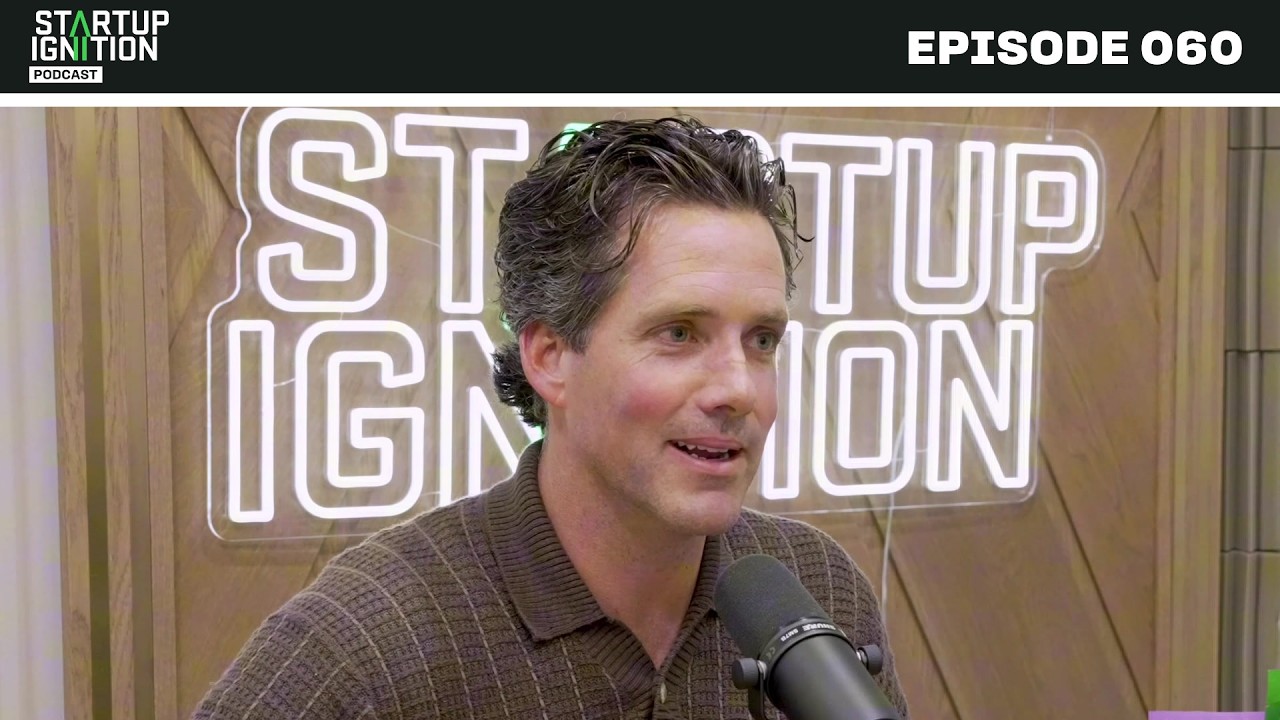
Sterling Jones shares the journey of building JoJo's Chocolate from his mom's kitchen in Mesa, Arizona to over $100 million in revenue across 600 Costco locations and thousands of grocery stores. The episode covers bootstrapping, navigating retail buyers, the emotional transition from founder-led to professionally managed, and hard lessons in CPG profitability.
Sterling Jones is the co-founder and Chief Growth Officer of JoJo's Chocolate, a better-for-you chocolate brand he started with his mother Jody Jones in 2013 while still a student at BYU. After bootstrapping the company from a home kitchen in Mesa, Arizona, Sterling grew JoJo's into a national brand sold in every Costco across the country, Sprouts, Whole Foods, CVS, and thousands of other retail locations. He was named to the Forbes 30 Under 30 list in 2019.
Show full transcript
They write this article. I didn't think much of it. And then we look online. We have a hundred orders. And at the time that was like, how in the world are we gonna make this? So I drive to Arizona, help my mom make the chocolate and make all the orders. And it's 105 degrees in Arizona, right? And so we had to cool down the car and like so we start the car. We wait, we found a USPS that stayed open till 9:30 for some reason. We load the car at 900 PM, drive to the USPS, throw the boxes as it's driving to the airport so that it was only in Arizona for an hour so it wouldn't melt. >> Yeah. >> And that was our first like big like order and we're like, "Okay, we can't keep doing the kitchen for very long. Rock. >> Welcome back to the Startup Ignition podcast. Thank you so much for tuning in the last episode, all the previous episodes, but now we are on episode 60, number 60, which is a huge number for us, a big milestone. So, thank you for keeping this thing going. We're having a ton of fun doing it because we get awesome guests like Sterling here who I need to introduce. So, it's not just John and Tyler today. We also have a guest Sterling Jones with Jojo's Chocolate. If you guys have ever had the chocolate, you've probably seen it all over Costco. You've probably seen it all over the shelves of your grocery store. My wife is a avid fan. I love that. And we have Sterling Jones. Thank you so much for coming here. >> This is just my pleasure truly to be back with John. will tell you more about why this means it means the world to me to be here. So, I appreciate it. >> Super nice of you to say. >> Yeah, truly does. >> Um, so a lot of entrepreneurs come in here. Uh, we have a lot of tech entrepreneurs, but I love the product CPG retail entrepreneurs because I feel like your guys' stories are just so much more I feel like it's a doggy dog world. The CPG the CPG industry is an interesting one. And in our ecosystem, we mentor have mentored thousands of entrepreneurs, but in our ecosystem, a good 35% >> are CPG type entrepreneurs. So this is really relevant because we we spend a lot of time talking about software and things like that, but this the it's a huge chunk that are also CPG. And Utah's, you know, not just a place for software, it's a place for these type of companies and incredible things. And you're an example of that. >> Thank you. Thank you. Yeah, there's phenomenal brands in Utah. >> No, it is. I feel like Utah's almost becoming a hotbed. Not >> starting to be. Yeah. It's pivoting that way, I feel like. And Jojo's has obviously been going for a long time now. I don't know how many years you have under your belt, but um there's a lot of brands that you have no idea have connections to Utah, right? It's crazy. Y >> um but let me read a bio. We got to know who Sterling Jones is, guys. Uh this guy is amazing, phenomenal. I have a bio here. I'll read through that and then I'm going to spring an icebreaker on you as well, Sterling. Okay, >> you got it. >> So, we'll just open up the podcast really casual and easy here, but Sterling Jones is the co-founder of Jojo's Chocolate. Uh he used to be exceed chief growth officer is what I read on your LinkedIn. Is that correct? Is that still updated? Correct. That's right. Yeah. >> Okay. And which is a Utah based uh better for you chocolate company. Right. The whole idea was healthier chocolate, healthier treats. And you've obviously expanded to a ton of SKUs and ton of different products. We can see it here sitting on the desk. Thank you for bringing those in. Absolutely. We're super excited to taste those new flavors, too. But you kind of saw something bigger than chocolate. um that you created that you the whole brand is based around your mom who we talked about pre-podcast which is such an amazing story. Thank you. >> Um over time Jojo has grown into a a an early experimental chocolate company to a huge massive brand. I don't know if you can give us an idea of what kind of size we're dealing with today or what kind of public information there is but I know it's got to be pretty large. >> Yeah, the last I mean you look at the last three years we've done over 100 million in revenue just in the last three years. lifetime. It's more than that, but it's been a been a wild journey. We're in every Costco across the country. Um, which has been a phenomenal partner for us. And then several thousand grocery stores between Sprouts, Whole Foods, Alberts and Safeways, uh, CVS actually is a great partner for us. And so, yeah, and then we we started out on ecom, our website, and Amazon, which was a blast, but chocolate melts, uh, when you ship it. So, so retail's been our been our our channel for for >> The bottom line though is it's just quality product. They It tastes so good. I mean, >> and like more protein, less sugar, healthier stuff. >> I mean, I love your dark chocolate. I say a dark chocolate product. I mean, I'm a dark chocolate guy, but it's just the the first time I had Jojo's, I'm not even sure I realized it was your company. I'm not even sure. Time. Yeah. And um I had it in I think my wife bought it at Costco and I just go, "Man, these are good." And we started being avid purchasers. So, >> love that. Yeah. Usually that's the story is I you know I talk to talk to a guy and they're like I've never heard of it and they go home and their wife has in the pantry. >> That's usually the case. >> Is that is that the demographic? >> Absolutely. My mom is like our core demographic. She was 50 when she started it going through a health journey, right? A health crisis really with cancer. And so that's usually our core consumer. Somebody who's already kind of trying to consume less sugar or just make better eating choices. Yeah. And so they find this is a perfect snack. I can't believe there's less sugar cuz it tastes so good. >> Yeah. And that that's the goal. That was her goal. She was tired of protein bars that tasted bad or, you know, a a candy bar that gave her blood sugar spikes and things. So, that was the perfect balance where it doesn't taste like you're eating a health bar. >> That's awesome. >> Okay. So, before we get into all of that, and even though I want to hear all of that, so let's let's table that conversation. You've been spending a decade on what people snack on, what people eat, what people treat themselves with. So, we're going to do an icebreaker real quick. We're gonna And so we need to know we're going to play the snack draft. Okay. So I have an icebreaker here. I like it. >> It's basically like a CPG this or that. So you just tell me out of the two things that I'm telling you what you prefer. >> Uh this or that. Okay. And I got Yeah. Well, you can do it too because it's pretty general. It's very generalized. But we'll both do it. But based obviously on like snacking CPG industry. So Okay. What's more important, Sterling? Okay. Great taste or great nutrition? >> Ah, >> to you, to your company, whoever, >> to our company, man, that's tough. That's tough. Taste goes first. You got to like you got I guess if you're trying to sell a product, taste. Me personally, I go nutrition. Yeah. Like from what I consume. >> Are you a pretty healthy guy, too? >> Yeah. My wife and I, I'm obsessed with health. like just like >> and his wife. By the way, the our fans might not know, but Tyler's wife is a professional Hierrox. >> Oh, no way. I love it. That's awesome. >> And she's pulled Tyler into it. And that's why I mean that's a lot of work. She's like, I mean, she's got like eight, >> you know, her abs are just like eight pack or something. >> Yeah, that's phenomenal. >> So, yeah, health is a big part of our life, too. But I like to indulge every once in a while. >> Yeah, you got to you got to I I do believe in the 8020 rule. So yeah, personally nutrition, but when it comes to our products, we we start with taste. Like my mom was I got to make something. So So taste first with like a very close second between >> a professional in the industry. So I'm going to go from the consumer side and I say taste has to come first because if it doesn't taste good, they won't eat it. So then you don't get the nutrition benefit. And so if it tastes good, they'll stop eating bad for you stuff and eat this. And so I think taste has to be number one. >> Yep. >> Okay. Here's the second one. And I'm interested to hear what you say here. this or that a hero like a single hero product or like a broad product line. What's what's more important? What do you prefer? >> You've got to I believe you got to nail a hero product, you know, and then comes the rest, right? If you have several products on shelf and but there's not one that just continually wins. I mean, there's many brands that it's one one product and then they can go from there. But Kodiak cakes, I mean, it is protein pancakes, right? And now I mean they're 500 million I think right or more and it's oatmeal it's oh it's granola bars product line expansion >> product line expansion but if you don't have the first hero product then the buyers in target they're not going to give you more opportunities so so you got to I think you got to nail one first and for us Costco fortunately it's been the original the pistachio and cranberry >> which one's that >> that's our uh pistachio and cranberry that's the one my mom first made in the kitchen so >> and that's been the main one in Costco >> and it's unique I feel like Yeah. Is it different? >> So, yeah. How about you? >> Yeah. Well, you know, again, I defer to the expert over there, but it's a it's actually a general entrepreneurial issue because I think we talk about in software the wedge. What's your wedge? How are you going to make revenue the first six months? So, if you can't make it on your first product that you bring to market, you can't do the expansion. Yeah. >> So, I think having a hero product is the first step, >> but it's also maybe a principle of like focus versus like a like a broad feature set too, right? >> Yeah. Yeah. Um, okay. So, what's more important than a great product or a great brand? >> Man, are these hard? >> Ah, that's a good one. Sometimes I I'll tell you that I get I personally I'm like, "Ah, man, that product's not that great, but they win." >> And on shelf. So, that's a good one. On shelf, a brand that pulls in retail. Let's talk like specifically like Sprouts, Whole Foods, Target, Walmart. a brand that gets people to buy it like offshelf tends to win. Uh but then again, now I'll come back product definitely product >> product. I'll say short-term product but long-term brand. There you go. I like that. You just said Microsoft Microsoft once it had established a brand their first and second versions of all their software products sucked and then all a sudden by version three they nailed it and figured it out. And that's just true of a lot of different products and things is that that brand and you're saying this too. I'm thinking of so many of the brands where their product really wasn't good. I I we talked about Skull Candy and you know all that earlier a little bit. Um and I'm just going to say like Skull Candy I didn't understand at first. You remember this? I brought it home to you when I got pitched on investing in Skull Candy. I got samples like you brought samples today. I br samples and brought them home to my kids. I passed on investing and I brought home my kids and they go those are the coolest things ever. I go, "You haven't even listened to the sound yet." And they go, "Oh, they're just cool." And there's the skull and crossbones logo >> and the fact that it was skull candy for, you know, snowboarders and skateboarders. And I go, "Maybe I missed something." And I did. So I passed on >> a couple billion dollars later. Yeah. You might have missed something. >> Yeah. So crazy, right? But so I passed on it at a three million valuation, but I went in back in and did it at a 70 million. Mattify would have done three million, right? And so that's just the story of and then um they that team just taught me about the power of branding and Jeff Kurl who's been on this podcast he it's like a branding playbook. Go watch that episode. I can't remember what episode number it is but it's a great listen to it. >> And with and I'd say with with food the one the reason why I go back and forth because you don't get many opportunities if you're making a food product. Somebody tries it the first time you're not usually going back if you didn't enjoy it. Yeah. So that's where you've got to have a good product. To your point, the brand is what keeps people >> like you introduced a new uh flavor line, whatever you call it. Right now, they go, "Oh, it's Jojo. Of course, it's going to be good." So, they just buy it. They didn't even need you didn't need it. The brand sold it, not even the product or the ingredients, maybe. Right. >> Yeah. Yeah. >> Okay. Next one. Influencers >> or paid ads. What's working or what do you like better >> for us? paid ads have have has done better. Really? Yeah. And the tricky thing as well is you >> we don't we don't do a lot of e-commerce, right? We're trying to get people into stores, right? Into retails. >> And so anyway, we've we've spent more money, I'd say, and had more success in paid ads for us. Um but at the same time, like influencer game works, but yeah, for us right today, if you made me choose, I' I'd go paid ads for today. >> Can I can I ask I'm going to defer to you on that. Um, you know, I don't know how if I can contribute on that much, but I think back to uh Mattie Gay from um >> Primo >> Primo and he was influencer was what set his company on fire. So, I'm thinking what's the difference there and all that. So, you know, I think it's depending on your product and what it is, right? Because for us, we've worked with a lot of influencers in the past and kind of done the micro ones where they're on um commissions and things like that, but >> our price point online is so low. I mean, you're going to pay them 1020, they get $8, you know, where if you're selling bed sheets or pillows or $200, $300 supplements, their commission is so much higher. And so that's why for us it's been more of a challenge with the margins aren't there. >> Yeah, the margins aren't there online. >> Ask the question since we're on it. And this is a teaching moment and I'm going to ask the question even though we're in the middle of your um >> icebreaker. >> Icebreers. So in products like this, I'm just curious on how exactly what percent today because it used to be saying, oh, e-commerce will never be more than 15% of a product sales and they're going to get 85% from the big box stores or regular retail in brickandmortar. That kind of changed in the COVID era because brick and mortar wasn't as accessible and e-commerce took off and went up more. But like you're you're it's the interesting thing is selling it just by e-commerce. You're going to get to a certain amount of revenue, but still the biggest possible revenue is going into the brickandmortar stores still for many many products. Is that still true for for your product? Seems like it's true. >> Absolutely. for a food >> and probably most products and >> I'd say yeah I'd say for most what the model that I do love if you can build it this way which is build e-commerce first have a great audience right because we talk about paid ads or influencers the thing that you need when you get into a brickandmortar store call it target you need a base of consumers that go and buy it they they pull it off shelf they've seen it they at least heard about it they've probably maybe hopefully tried it online and now they're buying it in store and so I'd say the a great model is can you build it online as big as you can and then go retail >> like a proprietary website sell it there and then maybe you get on some online stores >> great great example would be magic spoon the healthy cereal I mean I think they built their business 100 million online only >> launched in target and completely exploded right but I don't know their numbers but I would not be surprised if now it's completely flipped and 20% is online and the rest is retail so yeah I the model of building online first is is beneficial if you can for food products, but I I think that's still right. I mean, you're just going to have a hard time ever competing with Costco volume, Walmart volume, you know, Target volume, Whole Foods, places like that. The volume is is just >> Here's another teaching moment on this product because you're bringing it right up. So, getting into those retail brickandmortar places like Costco, Walmart, how do you get shelf space? because it used to be from my understanding and I'm not an expert you're way surpassed on this expertise than we have. But to get shelf space sometimes you'd have to place slotting fees or brokerage at different retailers. I don't know if that still exists. I don't think Costco does it that much. Walmart might. But how I mean it's a big deal for their buyers to say you're going to get shelf space in Costco. That's a big deal, right? >> It's a big deal because that is >> you have to pay >> um depends on the retailer and you're exactly right. I mean those the people that work there, right? buyers in Walmart or Costco. I mean, how they get a paycheck is how does their space do, right? So, if they're going to give you some of their space, like their their job depends on it, >> right? So, yeah, it so it in we kind of break it up as club that means Sam's Club and and uh Costco, right? And then you kind of have retail, which is, >> you know, Smith, Target, places like that, right? Most of those, >> not Walmart, but uh well, yeah, Walmart, too. Most of those will charge shelf space. Um depend like they call it slotting like you said, right? So you get three items on shelf. Call it Smiths here in in Utah. Maybe it's $30 per item um uh per store. So you get 200 stores. You got to pay 30 times three items times 200. >> Wow. >> To get on shelf. and to teach our entrepreneurs that are listening and viewers uh just like and then you say like I want an incap to get on the incap >> so that when somebody walks in premium expensive right >> yep then it's like paying I'm going to pay $10,000 so I can be right when they walk into the store and see you which that's how people would discover you right it's all about discovery in the grocery store how do they find your product amongst the >> there's a product here in Utah called Aura Brush yeah >> that um really went online first and then hit it big and they did so well online like you were saying a good model that then they got invited by all the top stores and Walmart even said hey we'll put you in our stores on an encap with video display no charge >> no charge exactly things like that that's like a like a grand slam >> right exactly yeah because you walk in you get the placement for free right where otherwise you're paying and then you look at it and go I'm not recouping that for six months right maybe and so yeah that that's the challenge where yeah if you have the audience audience. If you have an influencer that you're partnering with, right, and then you launch into stores, your target's going to give you an end cap. They're >> icebreers. Giving good lens. >> Yeah. Good stuff. Good stuff. >> No, I I have one more. So, we'll just do this and then we'll turn it over to the actual meat of the episode here. >> I love it. >> So, the last one is um and I don't know if Jojo's has done this or not, but um bootstrapping or fundraising. >> Great question. >> So, what would you prefer? What would you suggest? What's your advice? or you know what do you like better? >> Yeah, I I I won't give you I'd say it depends. I know that's not that's not a great answer. So we for the first um five years we bootstrapped mom's kitchen. Um then we kind of slowly grew from there. Obviously a little bit help from my dad. Actually city of Oram here gave me a revolving loan fund. I moved my >> from their city on the committee for >> Yeah, that was phenomenal. like I moved our office from my parents house to Oram just so that I could get that revolving in the city. >> You know the old school Arby's that's no longer there. Anyways, that's where we were. So >> I so I would say personally bootstrapping as long as you can. So because one like classic you get you keep more if you're larger, right? You raise money. Um and then when you raise money so then we raised money in 2019 and we have a great partner who's been very supportive. um uh through all the ups and downs. And so finding the right partner and and I would say so then when you go to raise money, finding the right partner is just so critical. Um people that you want to actually you're excited when they call you, you know, you're not dreading the phone call. Yeah. Um, and that was why I went with the group I went with cuz I had two that gave me an LOI and I went with the ones that I just frankly liked more because like I knew if we had some hard times I I felt just a little more of trust with them that they'd be more understanding, be more patient and so and and then you get, you know, hopefully then they have the expertise of the industry. I think that is critical. Partner >> uh s here in Salt Lake Peterson Partners. >> Yeah. Oh yeah, I think I saw that online. >> So um we're going to lunch with them soon because they just changed their name. Oh, is that right? >> To Salt VC. Yeah, >> I didn't know that. >> Yeah, that's public. >> I think it is. >> It's gonna be coming soon. >> Well, breaking news. You heard it here first. >> Okay. >> No, I think their website is already changing. >> Yeah. But no, Peterson's great. We like Peterson Partners >> and what we actually ended up being a part of their search fund even though we weren't technically because we were in between like venture and private. We weren't quite at the time we probably only were >> three million I think. And so, um, they put us in the search fund because they wanted to be a part of it and so it ended up working out great. So, great part. Yeah, great people. >> Well, thank you. Thank you for participating in the icebreaker, Sterling. That was great. Hopefully, everybody learned a little bit more about the whole product game and the CPG world and the retail world. >> And these things are important. All these things we brought up and many more you need to understand if you're going to be in that CPG world. >> Yeah. And it's such a it's such a different game. But, okay, let's go back like, yeah, absolutely because I know we talked a little bit pre pre-podcast here when we were all setting up and getting miked up and all the films going and all the all the cameras going. You were talking about how you met my dad and how he was a professor at at your university. >> Go back earlier than that. >> You want to go back. >> Where did you grow up and where'd you go to high school? >> You bet. Uh, Mesa, Arizona. So, Mount Vuros. And, uh, in fact, in one of your classes, somebody came in. Uh, and if anybody's from Mesa, they'll know this. He walked in. and he was talking and I heard he was from Mesa and I yelled go Toros and he threw up Toro Pride. It's it's definitely a a high school, a Mountain View thing, Toro Pride. So that's my high school I went to. That's awesome. Um then did a a church a church mission in 2010 through 2012 out in Singapore and Malaysia which was phenomenal. Um what language? >> It's Malaya just in Malaysia. his older brother went to uh Hong Kong and man >> can incredible and I just took my family and four kids back there which was unbelievable 17 hour flight with a 2-year-old. >> Oh my gosh. >> So that's a whole another story. Anyway, and then came to BYU 2012 and I was uh the first time I even like had the word entrepreneurship like mentioned to me was actually during my mission. My mission leader said we were talking about what are we going to do after when we get home. you know, we're 21 years old. He's like, "Well, have you ever thought about like starting your own company and you build it up and you work yourself out of a job, the American dream?" And I was like, "No, never thought of that." And fortunately, my other friend at the time, he was very entrepreneurial. And um, so that was kind of the first little like seed or idea. >> So, you came back as a sophomore or something? >> Sophomore. Yeah. Cuz I did one year of community college. >> Did you have a major yet? >> Not yet. And I came to >> Did you know what you wanted to do? >> No idea except what everybody was telling me to do. Fortunately, my mom signed me up for classes and by some fate I I believe there was definitely some divine intervention here. She signed me up for intro to entrepreneurship. >> I have no idea why class I start at. >> Yes. I have no idea why she's going strong by the way. >> It's amazing. And I get that class and so I talked to all these other like just people trying to help and they're like, "Yeah, do the accounting program. It's amazing." Right. So, I take accounting worst class or not class, worst grade, sorry, worst grade I had at BYU. I was like, "Clearly, that's not for me." Meanwhile, I'm taking intro to entrepreneurship and I'm like during the class, I'm like tapping my friend like, "Are you feeling this? This is incredible, man. Like, are you are you getting this?" And I'm just just jazzed like so excited. He's like, >> "No, man. What are you talking about?" I'm like, "Okay, clearly this is >> 2012. This is the first time that class you were." Was that fall of 2012? >> That's the first That's when it started. Yeah. And and I got from a class night, we got 295 people to sign up. Yeah. So filled that whole big room. >> Yeah. And I'm tell my mom for some reason signed me up. And so and I knew when my buddy was like, "Yeah, but I wasn't." I was like, "Okay, clearly this is speaking to me. Like this I can just fill it." So then I was like, "Okay, accounting is not for me." So then my dad had done finance. I had a bunch of kind of buddies doing finance. So I was like, "Okay, I'll do the finance program." >> And I went and did I actually got in the investment banking club. I went out to New York, did a trip, did a Arizona trip, corporate finance, and then I got into the finance program. >> And I was in about a week. What, however many days is the ad drop deadline, right? 10 days maybe, right? >> I'm in and they run you through, hey, here's what you've got to do to get your internship. >> And for me, I sat in that class and I was just sick to my stomach. I was like, no, I cannot do this. Like, this is And for some people, it works. And that's great. like you do this, you get this internship, you get this, you get investment banking job and you're good. >> But I was just like no. And so I remember I was sitting at the BYU library. It's ad drop deadline like that date and at midnight you can't switch your class anymore >> and it hits midnight and I just have a pit in my stomach and I didn't change. I was like still in the finance program. But I wanted to switch to business management so I could do entrepreneurship >> and I walk out of the BYU library just sick and I was like, "Oh man, I'm stuck." But the next day I went and I had to write a petition to say, "Please let me change." without getting a W on the transcript, whatnot. >> And the lady, I gave it to her the letter and she's like, "They're not going to let you. What do you mean?" I was like, "Please just like ask them." And so she submits the letter couple days later like, "Yes, we'll let you change. Here's your new." Um, and even then after I switched out, I still like couldn't commit to entrepreneurship because I didn't know what to tell people. So I was like, "Okay, I'll do HR." And so then I took one more semester of an HR class. I'm like, "No, forget it. I'm doing entrepreneurship." So I did business management emphasis in entrepreneurship. >> That's what it was. It was just so hard because like people are like, "Well, what are you going to do? Accounting, finance." >> Well, also half the professors discouraged you because they don't have get a job. >> Well, do you want to know what the reason for that is? Is because they their success in a school, especially business school, is placement, right? >> To get a job. Absolutely. And entrepreneurs don't get jobs if they f, you know, they might start a you can't start a start count a startup as a job placement ratios. So that's why they're a little against it. Crazy. >> Yeah. It make I mean, >> but you're making your own job and creating jobs for other people. >> Exactly. Exactly. And so so finally after that journey I So that's why I'm passionate about just not to tell everybody like this is what they need to do, but just not listening to what everybody else is telling you, right? so many memories, too. By the way, that's so cool. You were in the very first uh time I taught that. >> I've always wanted to tell you thank you. I I I hope I have over the years some. And it means a lot. It's humbling to hear you say it, but it's funny. You don't know how many times that a person would come to that class or to my classes and they their eyes would be open to what's possible in the world in this realm and they'd be like a fourth year accounting student. They go, "I hate accounting. I'm fourth and now I I took their $300 backpack two years ago because that's what they gave as a prize, you know, they entice you into that. I go, I hate accounting. I hated my internship last summer and I I've got to go to one of those accounting firms and why didn't anybody tell me >> that this exists, that this is even a possibility. And so, and that's why I started that class because before 2012, I got that incessantly and I go, I felt bad for these people. they you know and then I said I said because I only taught a 400 level class right I said I got to get a 100 level class that at least exposes to freshman and sophomore that this is an option in the world. Yep. >> And that's why that So you you were in that first class >> and it it truly kicked me off on this journey of like all right cuz like you said like you don't have a a blueprint. It's like you know it's like actually I don't know what I'm going to do except for be an entrepreneur. Yeah. >> And I remember I took a girl out on a date and she said, so she said, "So what are you doing?" I said, "Antreneurship program." She was in the accounting program. She goes, >> "What are you going to do with that?" And I wanted to say hire you in a couple years, but I didn't say that. >> That's a funny joke. The finance students used to because their accounting finance say the finance student joke there at BYU and the business school was so funny because the account students, it's the number one program in the country and it's super elite at BYU. >> But the finance students had a fun time saying, "Yeah, that's great. In about five years, you'll be working for me. So, >> so anyway, so I'm I'm passionate about just just >> in entrepreneurship. Then did you how long did it take you to find the idea >> of something worth grabbing on? >> Take us through your collegiate career. So that was a sophomore year a couple. So by your junior year, you figured business management, entrepreneurship. >> Exactly. So sophomore year kind of took the generals. >> You took all the classes from all the We had good professors teaching all that stuff. >> Great entrepreneur professors. some some really fun ones that just open your eyes. >> That's what you graduated in. >> Yeah. Business management emphasis because at the time it was an emphasis. >> Did you have an idea or anything? Did you participate in the business plan competitions or any of that? >> I submitted Jojo's like five times. You did never made it very far. >> So this this idea came up during college. >> Yeah. So that sophomore year I went home uh for uh >> to Mesa >> to Mesa, Arizona. My mom well actually right when I came home from my mission 2012 was when she was diagnosed with cancer. And so she was going through treatments all of 2012 and 2013. I went home in the summer and she had just, you know, kind of wanted to lose some weight, wanted to eat healthier. And so a friend had told her, "Hey, I eat a piece of dark chocolate every day. Put a little protein in there." And she's like, "Okay." And so she made this kind of called a chocolate bark on a cookie sheet. She'd break a piece off during the day. >> And I tried it. I was like, "Mom, this is good." And I had already started my idea journal, right? I was I writing ideas all the time. Like what can I start? And I So for me it was two reasons. One, my mom's my hero. She's always been like just an inspiration to me of someone who lived a life full of love and optimism and and faith. >> And so I was like, man, if I could build a brand, maybe we could spread some love through her story and inspire people to, you know, make good things out of hard times cuz that's how she lived her life. And so >> Jojo is named after. >> Yeah. Her name's Jod Jones. So, so then after she made the first and then and then the second reason I'm very passionate about health and I was looking I mean we have compared to your candy bars it's a fourth of the sugar you know we call out in the back half of the sugar because kind of you take the average we're half of your kind of average candy bar of sugar and then we add protein and so I was like okay maybe we can help America average American consumes over three times four times the recommend daily amount of sugar it's like 75 grams of sugar and it's 20 is so anyways we're like let's help maybe we can make a difference. And so I come back up the follow and she's like, "Hey, could we call it Jojo?" So I was like, "Heck yeah, let's do it." So she came up a name. >> She came up with a Jojo name. >> Yeah. Cuz it was her nickname, you know, that people called her aunt Jojo, things like that. Jody Jones. And so our first event was fall of 2013. Um, actually winner. She I was I was into CrossFit at the time. So there's CrossFit events. And I said, "Mom, let's get a little booth, see if we can sell it at the CrossFit event." So she flies up to Utah. We had >> You still in college? >> Yeah. junior year and we hadn't even made the LLC, but she comes up, she makes it in the kitchen. >> Basically, you and your mom were business partners. >> Absolutely. Yeah. Yeah. Business partners. She makes the first batch. We go to the CrossFit competition and we sell out and we're like, "Okay." Like, because we wanted to know if like healthconscious consumers would eat it and people loved it. And so, I mean, I don't know how much we actually made. Like, >> I remember we started with like I had 500 bucks, she a,000. Like, we bought some tables, some t-shirts, all the ingredients, all the product, a banner. And you made it all >> and we made it all in the kitchen. Little silophane. And I I'm not a brand like design person at all. Like and so the branding was >> not pretty. >> Yeah. Not >> it was a little clear bag and a little sticker that we made on word document, you know. >> Um and that's how we started and that was junior year. Um and so then by the next summer, so the summer between junior and senior year, I went >> So you kind of table the whole company summer to summer or you actively doing anything? >> Kind of junior. Yeah. I was going to like yoga studios trying to sell it. I was going to CrossFit gym. So, she would make a batch, ship it up to me. We got a KSL article because they loved the mom, son, you know, going through cancer. much of it. And then we look online, we have a hundred orders. And at the time, going to make this? So, I drive to Arizona, help my mom make the chocolate and make all the orders. And it's 105 degrees in Arizona, right? And so we had to cool down the car and like so that we'd start the car, we wait, we found a USPS that stayed open till 9:30 for some reason. >> We load the car at 9:00 p.m. drive to the USPS, throw the boxes as it's driving to the airport so that it was only in Arizona for an hour so it wouldn't melt. keep doing the kitchen for very long." And so that summer between junior and senior year, I was like, "Let's keep going." And then my senior year, like all of my class projects was Jojo's, the branding, everything. I did the did three times submitted to the business model competition. The third time I think they felt bad, so they let me get in the top 25. But >> and so, >> but all your class work all my class, >> you just work on the business at school. >> Yep. Yep. And uh as my good buddy said, we uh we learned the classes that we could miss and we missed those and I would work on this. >> So was did you graduate 2014 then? >> 2015. So 2015 May of 20 or April whatever. Okay. And so and the company was going by then but still pretty small. >> Super small. I mean it was little batches of ch like you know few >> What did you do after graduation? >> Um I went and luckily my buddy let me live on his basement his uh and then I went out to San Francisco and tried to sell to yoga studios and slept in my car kind of thing. And then we were >> San Francisco >> they had a bunch of yoga studios but it was just for like a week to like see if I and then I realized >> where were you making this if you're That time, the first year and a half was my mom's kitchen. We found a chocolate factory up in North Salt Lake called Miss Kavanagh. >> Oh, yeah. >> Um, and I said, "Can you do me a favor and make us a batch?" So, once a month, they'd make us a huge batch of the bars and then I'd keep them in my fridge and then I'd go sell them. And so, they did that for about a year. And so, they really kind of doing me a favor cuz >> How are they packaged? >> Yeah. Um they would put it in a big like a big white box and then we would package it in like a silophane clear bag and sticker it and seal it. Yeah. We'd put like seven bars in a bag. >> And we'd sell that. It was a week supply. One bar a day was kind of like our beginning like pitch, you know. So, >> and you very obviously thought your first customers were like these CrossFit gym goers. >> That's what we thought. And we learned and something I'd say that I I didn't I heard all the time but I didn't believe in those classes was like you can't what's the quote you can't be every something for everybody. You got to be everything for somebody. >> I didn't love that cuz like no it's chocolate. It's for everybody. >> Everybody loves chocolate. >> But I I learned to not fast enough that like no we needed to find who our consumer was cuz at the end of the day somebody who's eating a Reese's every day this is this isn't for them yet. you know, they've got to like start making some changes, right? If they love milk chocolate, Jojo's probably not for them. >> The mother in charge of food purchasing wants a treat, something good, but wants it to be healthier. But how did you discover that? How did you test? >> I mean, it definitely took time. So, that's why we did yoga. We went from CrossFit gyms to yoga studios, but then also I realized yoga studios, like they're not in the business of selling product, like they're in the business of selling memberships. So, I did that for a few months and realized I was going to starve to death trying to sell to yoga studios. So, I actually did Amazon. So, then we got on Amazon because my buddy was selling crazy amount of sleeping bags. I was like, I don't think I can sell chocolate on there. Like, no, try it. And sure enough, like that was our first like successful channel cuz we started getting repeat business, great customer reviews, you know, everybody was on there buying products. >> FBA or FBM? >> So, FBM during >> for for our reviews and listings, explain FBA and FBM. >> Yeah. So FBM fulfilled by we ship the product to the customer, right? >> Okay. That's fulfilled by merchant merchant. Yep. And so we started that way by Amazon. >> Amazon. Yep. And if you're FBA, you get the Prime badge. If you're fulfilled by merchant, it's really hard. You can, but it's really hard to get the Prime badge. >> So FBA, get the Prime badge. And a lot of people won't buy anything but Prime. They couldn't keep chocolate in their >> So that's the problem with summer. We were fulfilled by merchant. So we started off like the first in fall, I was shipping it. And then as soon as I in the winter they'll ship stuff like this because it's cold enough. >> And we get on Prime and our sales doubled because you're on Amazon Prime. We're getting all these reviews. >> How much does Amazon keep of FBA versus FBM though? Isn't it more? >> Yeah. It's like depends on your price point and all that, but call it 15% if you're FBM, 30 to 35% if you're FBA. So big difference. But our sales more than >> double, but you don't pay shipping then. You pay you pay the shipping to send it to them. But I can put 50 Yeah. >> in a box instead. >> The shipping costs are way less on a the shipping cost, but your commissions are higher >> higher. But but the commissions aren't as high as the cost of shipping. >> So right now, >> y >> give the CPG person that going to go on Amazon, which is obviously a huge part of this whole gauntlet. What would is there? Do you say start with FBM and then migrate to FBA or go straight to FBA? >> Yeah. If you're not tell if you're not in meltable products, I would do FBA. FBA for sure. >> Absolutely. And even if you are meltable in the winter time, do FBA. In the summer, do FBM. >> But you, so you transitioned from this kind of manual process of going to all these like physical locations, slinging your product to anybody you could to then finally finding a channel on Amazon. Did you stick on Amazon for a long time? And that's kind of where the company really started to become a quote unquote company. >> Yeah, still very small. 2017, 2018. I got married by the way in 2016. luckily to somebody who clearly I I don't know why but trusted me. >> But see, she knew you didn't bait and switcher. She knew you were entrepreneur. >> Yeah, she knew. She knew what I mean. >> You know what I did to my wife? I said, "I'm going to be a doctor if she marries me." And then I go, "I don't think I'm going to be >> Never mind." No, she knew she was getting she I mean, I think she thought she was marrying Willy Wonka, who had a nice chocolate factory, which was not the case. Our first 6 months, I still have the first video where I paid myself 6 months after us getting married and like a $1,000 check, you know. Um, and so now you're rolling in. uh trying. >> So, and how's your mom doing at this point, by the way, just because just because I know you said she had got diagnosed with cancer, she's your business partner, so like is she still involved? >> Yeah. So, she was involved like 2013. Um and then all the way up till 2019. Um and at that point, kind of those six years, we actually got into Costco, which was so awesome cuz she got to she got to go demo in Costco, which she was the great she she's full of life, right? So people are just buying from >> you just traveled around going to all the >> go to the costos and I mean we only started in 15 to begin with right >> teach them teach our viewers and listen about that. So if you do land in Costco they test and sample how do they do all that? Yeah, for fortunately for us, so there's two ways. Road shows is a lot of time what they do, which means you bring your product in. You you'll see it on Saturdays. They kind of have like a bigger >> like a little section they carve out. >> They carve out, but they don't shelf. >> They don't buy your product. It's on consignment. So you bring it in, you sell it, and then they'll buy whatever >> entertaining the shoppers on a Saturday. >> Yeah, exactly. They'll buy whatever scans. But if, let's say, you bring in 100 units and you sell 70, you take home the 30 units at the end of the weekend, right? And so that's one way fortunately and that that can work for people. It's more expensive, more timeconuming. We got a 15 warehouse test. So they said, "Hey, >> shelf space." >> Yeah. Like a full pallet >> first out of the box without a shelf space. >> Which was awesome. And what happened was I walk in and at the time we still called it chocolate bark cuz my mom was making the kitchen. And she goes, >> "Yeah, that's I remember that." >> Yeah. And she says, the buyer says, "We can't we can't do another bark. Like we already have Kirkland bark. We had bark thins at the time." And I was like, "That's fine. we don't have to call it bark. We'll call it Jojo's chocolate. And and and and at the time it was bark, but we were switching to actual bars. And so I was like, "Yeah, that's fine. We'll call it, you know, I called it guiltfree chocolate." And she's like, "Oh, I love that." So we actually changed kind of what we called it. >> And she said, "Hey, I love the idea." So Costco buyers, this Costco buyer. And she said, "Okay, I'll bring it in." >> I thought it was Dundee. So excited. I leave. It was like my It was my birthday actually on my birthday. And I go home and we're we're celebrating. And then a week or two weeks later, I follow up and I was like, "Hey, timing." She's like, "Actually, I'm getting changed to a different category in Costco. So, you'll have to talk to the new buyer." He comes in and he's like, "Hey, I'm not taking anything new for 6 months." >> So, then it's tabled for 6 months. I follow up and he's like, "Hey, I'll take a meeting in a month." And then we get a meeting a month later and he's like, "Okay, I'll bring you in in four months." So, it was actually a full year later. >> How were your numbers on the 15 store test? >> We didn't get it yet. She said she was going to do it. >> Oh, she Oh, she >> So, so then she No. So, we were about to get >> And then she switched out and she switched out. New one comes in. And so, a full year later, we finally get the test. So, >> you had moved all the way over to Jojo, the branding of Jojo. >> It was Jojo. It was Guiltree Chocolate. But I look back and like, thank goodness because we would have never been able. We thought we were ready for Costco. We would have never been ready. >> Why? Why? >> Too big. the volume was way bigger than like we we could we just didn't even realize how big it was. >> Give me an idea of what we were at and what you thought you needed to have and then what the reality of when you went to cuz I feel like that's a really good lesson. >> Yeah. So we were it was 2017 we were selling on Amazon 17 I don't know half a million in revenue right um and then we at the be like then in 2018 we get into 300 um sprouts 300 sprouts right we got into we got into sprouts and that those 300 sprouts was less volume than 15 costs >> wow >> and that just because their volume so for example Sprouts let's say they want to do $20 per store per week. Costco wants to do $1,000. So, >> of your product >> of our product per week. >> Was saying it's fine in a store just to have $20? >> $20 like that. They be they'd be pump excited. 20 to 30 in our category, right? Categories are different. Costco wants $1,000. So, the volume is just so different. >> So, is Costco just the big kahuna to land in retail? I mean, Walmart are big of their own, right? >> Yeah. Costco's winning. >> And Target's pretty. >> Target's good. It depends on your category. But Walmart and Costco, Costco, >> they're also can be tough to deal with, right? >> Yeah. I mean, they're thin. They want great value. >> Yeah. Listen to his year delay. >> Yeah. Year delay. I mean, that's But you that's classic in retail, right? You get a It just takes so long. So Costco can move fast. But that situation, honestly, I just feel like I didn't realize, but in it was a blessing in disguise. Exactly. >> So So what happened when you finally got into Costco? >> Yeah. Yeah. Well, just tell me you couldn't have had what what volume would you have gotten if you went in and >> so we got it. So that would have been I think the opening order was $200,000. So was it was 15,000. >> So they're actually buying your product. >> So they bought it. >> But if it doesn't sell through is that the word for it? If it doesn't sell, do you have to take it back? >> No, they'll just buy it and they just mark it down to the 97 cent thing. >> They mark it down. Exactly. They might ask like, "Hey, can you help us mark it down?" >> Does Costco ever do that where they put it on the shelf but that you have to take anything that doesn't sell? Because other retailers do that, don't they? >> They will occasionally like if they way overbought and it just like completely falls. Costco. Yeah. But other retailers do that, right? >> They'll Yeah. They'll say like, "Okay, this is not working." I mean, yeah, they they definitely will say, "We're we're sending this back." A lot of distributors will do that. You know, the middleman, >> but Costco then doesn't generally do. >> They try not to. And they're usually pretty good. Like it might instead of doing a thousand, maybe it does $500. >> So, when did you Okay. After that, you finally got into Costco. >> Got in Costco year later and then Costco. >> Yep. Yep. And we got into Whole Foods at the time, but just here locally. So, we kind of Amazon. We were talking to Costco. Fortunately, in the meantime of that year, we got into Whole Sprouts and we got into Whole Foods locally. >> Um, and we were selling on Amazon, right? And so, we had bars at the time, individually wrapped bars. And we get into Whole Foods >> and I'm so excited, right? Right. And so I go in I I deliver it to the back and then I go into the front and I buy it. And I go to scan it at the checkout and it doesn't scan cuz the barcode was too small because on Amazon they would scan the whole box. But in the store they scan the individual bar. Right. >> And so and so I'm like checking out and the lady's like this barcode is so small. And I was like yeah who would do that? I can't believe that. I'm like let me help you. I'll read you the number. So she had to type in the number >> where other people have to do that. >> Yeah. So they had to do that. So I like run home and I order all new packaging and like had to reprint packaging as fast as we could. >> How much does that cost you? >> That cost us. But fortunately that was only for like the five Utah Whole Foods and Sprouts was on the way but like they were a few months down the road so we got the packaging in time. But those are just the classic things that like you don't know. >> How did Costco's volume has Costco been a game changer for you? I I feel that >> when it was not till Costco that >> consumers really had heard of you much. >> Yeah. And and it it really was the several years because we started in Utah. They have they have eight different regions in the US. So we were in the Utah Northwest region. We got into 15 warehouses. Good volume. Really exciting for us. >> What time is this? What year? >> 2018. >> 2018 you got in. >> And so we did it for about a year. Went from like 15 warehouses. My mom and I sampling. Then they kind of doubled us. We went into 30. And also they want to make sure that they're not your whole business, right? So that they could have grown faster, but we weren't big enough. >> Yeah. Because I've had friends that went into Costco and they let them become too big a percentage and then when Costco kind of wanted to >> negotiate margin, you know, the share and all that, then they lo my friend lost the Costco deal and he was kind of in worse shape than if he had never done >> right? And that Costco wants to avoid that is like >> they're trying to avoid that. That's really good to hear because I heard the other side of the story. That's excellent to hear that they they're aware of it. >> They've done it too many times that they're like trying to >> because the volume goes up that people gear up and then they lose the deal. >> Yeah. And Costco's not We call it sticky. Like they may bring you in for three months and like, "Hey, that was great. We'll talk to you." >> What about the danger of >> Kirkland brand making one? >> Um >> because that happens to people too. >> It does. But yes, it definitely is a possibility. They do that once an item has been extremely successful and and is is pretty much a stable item there and has to be successful and >> susceptible to this probably then. >> Not yet. Not yet. I mean you could if it was I mean if we were in every Costco every day for two years, you know, they do it to your Kind bars, your Quest, these huge huge companies. >> So just to let people know some of the entrepreneurs that may not have heard this, a lot of these big retailers have a store brand. That's what Kirkland is for Costco, but most people have heard it. But the store brand concept is >> the retailer says, "There's so much selling of this product from a name brand. Let's make our own store brand and make more margin." Absolutely. Is that what exactly? >> Yep. You'll see it in Target. Um I'm trying to remember the name of the Target one. >> Not Good and Plenty, but something like that. Good and Good Day. >> Good day. Good day. Chocolate. Yep. That's theirs. So they'll do the same thing like they'll just chocolate covered pretzels, chocolate caramels, chocolate pe uh almonds, things like that. They'll just put their brand on it because then it's they make more margin. >> So and and they charge less. >> Yeah. Exactly. >> So how So tell maybe some of the viewers and listeners on this that are maybe have their own product or kind of on their way where you were 2013, 14, 15, 16 before you had these big box retailers willing to take a chance on you. How do you get into those first stores? Like how did you get in contact with Costco? And what do you think was take us through that? >> Yeah, that was Yeah, I remember. So, how did you get to the buy the first time? >> Exactly. The buyer, >> you had to wait a year to get the next buyer to go through. But how do you get a meeting even with that? >> Yeah. I remember I was I was I made a goal, like, okay, I'm going to email five buyers every day. And I went on LinkedIn and I would just I'd use a little scraper and I'd pull their email off of LinkedIn. So, I' I'd search Sprouts candy buyer or chocolate buyer or target chocolate buyer and I just find their name and >> they're literally listed like that on LinkedIn. I am the target chocolate buyer. >> Yeah. It'll say Yeah. A lot of time sometimes it won't spec it'll say buyer. So, you'll just reach out and most of the time they'll be like, "It's not me. >> Not me. It's another person." >> And they usually don't send you over to the other person. >> They just say, "Sorry, not me." Yeah. >> Um I always got that response, you know. They were quick to say, "No, not me." >> how did you get with that woman at Costco? >> Yeah. So I I um let's see how So I connected with a mutual friend who was going up to Costco >> in Isiqua. >> Yeah. And they >> which is their headquarters and they were meeting with a different category >> Washington for those who don't know >> is Washington. Yep. There's Kirkland Washington which is where Kirkland comes from. Um so they were meeting with a different category. They said hey come up. We can So I got in front of the wrong person in person. got in front of of the wrong buyer and so they said, "Hey, we'll connect you with the right buyer, but it they were different brand. They were going up there." So, I came with them and they said, "Yeah, talk to the other brand." And so, then they made the intro, the buyer did. And I reached out to actually um Corbin Church here in Utah also. And they said, "Hey, I'm I'm think I'm going to use a broker. Should I use a broker for Costco? Should I do it myself?" Because there's a lot of companies that will help you get into stores. Tons. we use brokers today that help you get into Sprouts or places. And so they said he said, "Hey, I've got I've got the best one. Use her." And so he connected me with his broker he had used many years ago. She was still doing it. So then that was super helpful for me because I didn't speak the Costco. >> I brokers is the way to go. >> It can be. Yep. It definitely can be. You can do it without but it's and so she helped me create craft the whole >> You broke through because of a broker it sounds. >> Yeah. Yeah. Because we had the right items and all that. So then we went back to the right buyer, presented the item and she said, "Yeah, interesting. Come on up." So then we got that meeting and that's where we got we pitched. She loved it, but we had to wait for the next buyer to come in and then he said, "Yeah, we'll give you a test." Like because we were the first in Costco to be like a better for you chocolate. You know, this was >> a super exciting moment when he says, "We'll give you a test." >> Oh my gosh. Yeah. I walked out of that meeting. >> Is that one of the most memorable moments of the history of the company? Absolutely. Would you kind of pinpoint that as like a tipping point for Jojo's? >> I feel like it was. Yeah, cuz up to that point, I mean, we were getting volume, but it was slow. Like it was Amazon and Sprouts was good. But I mean, we got our first order from Sprouts in September. We got on Shelf in October. They paid us in January. >> So, I mean, we were just we were suffering from a cash flow. >> So, and by the way, you've even talked to me in the past about financing. So, is the big deal here is inventory financing? Yeah, inventory. So, we did the ORUM revolving loan fund. Um, after I got the orders for Costco or Sprouts, convinced my dad to help out, so he helped out. And then with Costco, the difference is you ship, you get paid in 30 days. >> It's just so much better. >> Oh, wow. >> And they actually have programs where you can get paid in 15 days, you know? So, really, >> so changes your cash flow. helping brands and manufacturers >> just so much so much easier and simpler to work with >> because you kind of hear the horror stories, but it's actually sounds like they've learned their lessons to be a a welcoming for >> brands. They're a great partner if it goes well, right? >> Yeah. And so you got to you got to have a problem. You got you got to perform. Um if it doesn't sell, they'll dump you quick, right? >> It's gone. It's gone. And where like other retail you get on shelf, you're pretty much set for six months to 10 like a year. >> Like it sprouts is saying, "Oh, we just finally looked back six months. You haven't sold enough. >> Yeah. Costco probably knows daily. >> They know daily. I I had a buyer tell me. She's like, I'll know by the end of the day if I'm going to keep you in. Like the product delivered yesterday. You serious? Like >> So, it obviously went well. The test went well. So, yeah. To kind of >> So, once you got in the 15 stores, what happened? >> Yeah. So, we did like a big Utah push, you know, tons of social media, so many friends and family went and bought it. We did, you know, trying to get everybody excited. And then we went and just demoed as much as they'd let us. So, we'd set up and demo. and they said, "Wow, did really well." And that was 2018. My mom got to be a part of that for a year. We got into 30 warehouses the next year. >> My mom, you meant you asked. So, in 2019, her cancer came back unfortunately and so she ended up passing away in 2019. Um, thank you. Um, yet it kind of just ignited the fire like let's keep building this brand. Let's spread spread her name. Yeah. >> Um I learned later that she told a friend um speaking of doing the entrepreneurship program. She told her friend like cuz she had no intention of starting a company, right? She told her friend like I I got to help Sterling. He he's not going to have a job when he graduates. I got to do this company. I got to help him. >> And so I She felt bad for you. She's like, I got to help him. He doesn't he's not kid's an idiot. >> He's not going to have a job. >> By the way, you got married after you graduated. It sounds like that uh a lot of father-in-laws when their son-in-law switches to entrepreneurship, they get very concerned. >> Yeah. Well, I went in and when I asked him to marry his daughter, I said, "Look, this doesn't work. I'll put on a suit and tie and get a job. I promise." Okay. >> But anyway, so um and then I I mentioned in 2019, it was cool cuz before she passed, I got Forbes 30 under 30, which was just awesome for her to get to see. Um and then we kept growing. So the next few years, COVID hit, which retail took kind of like a break. So, we really focused on e-commerce, but it was really expensive. So, we we ran out of the money that we raised. >> Like DTC, you're saying? >> Yeah. We just did a tons of >> It's expensive because people don't realize this. >> It's super expensive to run digital marketing. Is that what you're saying was the expensive part? Because to get the clicks and the and the >> and we just didn't have the margin, the >> clickthroughs, right? >> Yep. And we didn't have a low margin product online is so hard. You talked about >> it's so much more efficient to go to Costco. And you even said at the beginning of the podcast like you like brands should be DTCing and then retailing. You did the inverse. >> Well, we had to. >> If you were doing it again in 2026, what would you do? Would you do the same thing >> with with chocolate though? It's so hard to do online because you just don't have the margin. I mean, we are we're nonmeltable. I think so. So, so anyway though. Okay. Keep going with >> Yeah. So, 2020 we we grow online. We we doubled the business. We doing but cash was tight. We started running out of money. So we raised money again. They were a great partner to kind of back because we were growing but not profitably >> and and and this was equity selling equity in the >> company. So 2019 we raised 21 we raised and just a couple lessons. I mean we we got way over our skis. I built this big team because we raised money. We thought we had capital and we scaled the team up over 20 people but then then you know COVID kind of started going away and so then it was like we got to get back into grocery stores but grocery stores just take so long. you present. We just presented at Whole Foods this month in August and we will get in maybe next May. So you you wait for eight months before you have any revenue. >> So anyways, we just we overhired and we got way so we went from 20 down to >> uh six of us >> in like six months. >> Because cash was just running out and the retail was growing but not at a pace that we could. And also at the time we had good healthy Costco business but they wouldn't keep growing because we were too small. >> So let's reflect back what happened. You were going great then COVID hits. You got to go to e-commerce very expensive on your product your food product and so and then that was tough during that period. You had to downsize >> okay and raise some capital and all that >> and then you come out of the co era. So 22 what when did things turn around for? >> So 23 we doubled the business. We went from uh let's see we went from 10 to 20 in 23. >> 10 million. >> Yeah. 10 million to 20. Feeling good. >> 10 million gross. >> But we were losing a lot. And so at the end of that year >> negative cash flow, you're saying? >> Yeah. Negative profit. Like we were losing money. And so our investor said, "Hey, let's let's bring in a new uh CEO to help, you know, get the finances clear, stop spending money. We'll if you do that, we'll put a little bit more capital in to help." So our board member came on as the CEO for 2024. And that changed our business from a cash flow, from a profitability, from a healthy standpoint. So that year we stayed flat. You know, we did 20 again, stayed flat, but we went from losing money to actually being profitable. >> Okay. So he kept the revenue the same. He kept revenue profit. You became profitable. >> We just focused on the right things. We stopped overspending. >> So he was a business manager. You were an entrepreneur founder and he was a businessman >> and he was phenomenal. And also >> that's a very common thing. >> Yeah. And also like the what I learned in that time I would have never got because I gonna always be an entrepreneur, right? But I just learned a ton. >> And here's what I like to say and no affront to your CEO because I don't know him or even his name right now, but I'm just saying it's very common that the skill sets for the founder entrepreneur are very different from that business manager who can take it and do those type of things. And it's just that's the nature of the beast. He probably couldn't have been the one toiling in the kitchen of his mother for three years to get it off the ground, but he's the one to help it go to profitability in the tens of millions of revenue when you weren't profitable. So, and that's a different skill set. >> Yeah. And he did things that I look back, oh, now I could do that, but at the time I wouldn't have been able to do. >> That was my question is like what kind of what signs did you miss during that period of like that rapid premature prematurely scaling kind of activity, right? One of the biggest things we didn't have a good grasp on finances. We had a kind of a we call it fractional CFO. So we didn't have clarity on our finances. We didn't >> we emphasize all the time. >> Yeah. We were just overspending and we weren't clear on the results. Was that producing results? It was like, oh, we're growing but what's working >> and we didn't have clarity on our margin. >> Finance. >> Yeah. We didn't have clarity on margins, you know. It was I think we're at 20% which means you're probably in five less. Yeah. you know. So, so, so he came in and just he brought in his CFO and uh which was phenomenal. He had >> that was 2023 that he went from losing money >> 2024 we went from losing >> so 2024 was the first profitable big year at those revenue numbers. Then what happened after that >> and then he brought in so he had previously scaled and and sold the company and that's why he was on our board and he brought in over a CFO a president or at the time a brand manager. >> So you kind of welcomed this whole transitional period. Yeah, it was a it was a journey. I was saying I say usually when a founder kind of gets out not ousted but just demoted from the CEO because that that we've gone I mentored that a lot and seen that happen. What what was it tough? Was it tough to realize they don't think you're and was it the board of directors you had put together him included saying maybe Sterling you're not the CEO for the this and and did that hurt your feelings? >> Yeah, of course. >> Yeah. But you also got to like pause and go first of all they have a a responsibility to their investors. They got to do they got to protect their investment. And then so I remember I was sitting at Silicon Slopes, Steve Young was speaking um and he told the story about when he >> actually met Steven Cvy on an airplane and he's sitting there and he's kind of dug himself into this like >> self-pity party, right? And that's I was getting there. I was like, "Ah, come on. They don't believe in me. Like they don't trust me. all this I could have done this this and then he tells the story and Stephen CVY says hey like hold on tell me about tell me about your team and he goes oh we've got the best coach ever like he's going to be a hall of fame coach cool tell us about your owner oh he's changing the game like he's going to be incredible one of the best owners of all time and then he goes well tell me about Joe Montana he's there he goes yeah that's the problem everybody wants him not me and then Stephen Cubby goes well have you ever asked him to mentor you and he goes well no And Stephen Cubby goes, "Well, look, I travel the whole world trying to build the best opportunities for people to be successful, and you are sitting in one of them." >> And it just like hit me. I was like, I've got an investor that is still going to back me. They'll give us more money. I've got now a mentor, and we have a great brand and product. So, I just was like, "Okay." Like, I'm still >> Have you learned a lot then? >> Yeah. Exactly. So, I've learned the last two and a half years just an incredible amount. >> Oh, that's awesome. to like to go from losing money frankly like questionable whether the brand company was going to make it because we were running out of money right to doubling the business now this last year >> so 24 25 and now 26 y you've hit >> so last year we so we did 2020 million then we we doubled the business in 25 >> really you doubled from that number >> so went to 40 profitable again and this year we'll grow a little bit over that you know because we and so we'll do >> that's fantastic >> so we'll do that again but the good news is the bottom line is doubling, you know, this year. And so that's where >> what did he do to get the profit? >> He came in pretty simple. He said, "Stop spending." >> Yeah. He cut people. I mean, you said you went down from 20 to >> He actually So that was before. Yeah. He was What I really appreciate is he >> besides people, what did he cut? >> He he held off on the people side. He's like, "I'm going to wait. We're going to do that last." So we just stopped the digital spend. We stopped the influencer spend. We looked at programs that weren't working, you know, and then and then he, you know, our CFO is like, look, it's a it's death by a thousand cuts. So, just start finding all the little things. Um, and then, you know, we turned off big spends. And the good thing about >> a lot of it marketing, >> a lot of it marketing was to tell a story like I was I was a board member that had take over CEO for company because the spouse of the CEO made him quit his own company. No joke. Okay, that's a long story. But anyway, I took over for interim CEO and I looked at their marketing and their affiliate marketing and I noticed the bottom half of the affiliate marketing was costing as much as the top half but produced nothing. It was all in top half. So I cut out half of the marketing expense, didn't lose any results and we went from a $40,000 monthly loss to a h 100,000 monthly profit. >> Yeah. Just by doing that, >> right? But when you're in the moment, it's like, oh, we can't do it because we'll lo but you just need somebody. >> Is that kind of what he did? A lot of time >> I think there's a point that almost every company goes through from like being led by the founder who's the creative, the product guy, the scrappy person who's going to get in the trenches, roll up their sleeve, and put in the sweat equity to make the thing go to then, okay, the product's good, the brand's good, this thing is selling, it's proven, and now, hey, we need to transition to a little bit more of a financially operationalminded leader. And I think a lot of founders, but it seems like you've been very mature and said, "Okay, this is what's best for Jojo." And like you said, the whole story about Steve Young, like I'm in a good situation here. Let's make it clear. At first, you you've been mature, but at the same time, it hurt. Of course. Yeah. And we had a lot of tough conversations and I pushed back and we had tough conversations. >> This happened all over Utah. Some people really It's It's tough. You have to I I had something similar happen to me many decades ago now where I was promoted to be president CEO and three weeks later had to be put back down to senior vice president because I didn't have public company experience. I was crushed for a while and then after I went public and we all made so much money, I look back and go that was probably the right thing. Yeah. >> Right. Yeah. Absolutely. And I I'd say on the piece like being finance the piece I one of my biggest mistakes was not having the right finance person into and he came in and said look I'm not a CFO we are going to get one and he just that was the first like said we are going to get the right CFO and he made that call and then yeah over time we realized we had a few too many people so but that I it was over several months and so then we thinned down the team and we then grew it and now doubled the business and let you Tyler's been through this fear too. Tyler was growing so fast with Dev Mountain, which you may have heard of Dev Mountain. >> Yeah. Yeah. I remember this story >> that they came in and thought they were going out of business because they were growing so fast they ran out of cash. >> Yeah. And so then he thought there so we took about 30 days and I had to even wrote my guys here's how you do spreadsheet. Let's get into the spreadsheet again. I think I saw the spreadsheet and I go uh you guys are doing excellent. You just need some temporary cash flow. >> I just say I think every there's phases of a company, right? There's kind of the ideation phase. There's the product market fit phase. Okay. Then there then there's the growing and scaling phase. And then once you hit this scaling point, it's like okay, we have to get more tact >> in operations and actually making the machine that is started to actually be welloiled machine, right? And so I've been through that too and I think it's just a it's an evolution of every startup. And I'd say common misconception is people often say like, "Oh, we don't want to spend money on the CFO because it's not producing revenue." Yes. And I think that I believe that's a like a >> certain stage. If you get a CFO in too early, it can also be >> detrimental because it's expensive and also it's overkill and also it could limit the creativity needed >> to get you to a certain stage. That's I've seen but this at the right time when you're getting 10 20 million revenue and can't produce a profit, you need a CFO. >> You're too late. Yeah, you need the one. So anyways, they he did a phenomenal job. We have a great team now. We have uh a CFO, CEO, president um and and we're continue to expand products and branding and so amazing >> as a teacher, student, mentor, mentee. I'm so proud of you. >> Incredible what you've done and I tip my hat to you. When you when you said yes you were coming on the podcast, I was jazzed. Just to let you know, I was super excited cuz I've seen your brand for years. I I I'm assuming Costco is going very well. >> Yeah. So, the last two years, 15 warehouse 30. The last two years we've been in 550 Costco across the country. >> 550 international. >> We've done a little bit international. Um, and we may we may look at it again. We've got Well, Canada. We're in Canada. >> 550 in North America or something. >> Uh, yeah. 600 if you include Canada. So they love they love you. >> It's done. Fortunately, we are now at a spot where like they say it they don't build brands, they sell items, but they definitely know Jojo. They give us opportunities. We're getting programs. We're getting repeat programs, which is just awesome. So yeah, it's been a phenomenal partner. >> Okay, so that's an amazing story, but like we said at the very beginning of the podcast, we always end the podcast on one question. What what is the number one thing you want to leave the new person building a brand, the new e-commerce founder, CPG, >> the person trying to tackle CPG, trying to get in retail, like what's the number one piece of advice looking back at this? What is 10 years? It's been 10 years. >> Yeah. What are we tw 12? Because 2014, May of 2014 was when we created the LLC. >> Over a decade. Like what do you what do you tell him? What have you learned? What what's the piece of advice? Then for me it was that fear of starting that held me back at the beginning. The fear of like oh what do I tell people like what do I I'm not going to be an accountant. I'm going to be investment banking like what? So coming back I think the number thing is just the word just start like just start. Don't go mortgage your home today but just start like make the product go to the CrossFit competition and sell it. Put it up on Amazon. See if it sells. cold email the Costco buyer and try to get the meeting like see if you can get a meeting just start >> entrepreneur is a worthy life endeavor it's you don't be embarrassed of it >> but you get drummed into you at a university >> go get a job march to the corporate beat drum beat and that's respectable but I think that's changed since you started I even the last 10 years yeah of a because you came out of school >> or you were there at the tail end of the great recession and then you got to write up a period in the last 10 years entrepreneurs have become heroes a lot more right >> it's way more it's way more >> acceptable and in the AI AI era tangible products are not as threatened by AI right >> you can't you can't make the chocolate >> you need fingers arms and hands to do something AI can't do that right now unless Optimus comes in >> right what I love about your advice though is also it really relates back to your story that you know Jojo's didn't start off with this massive retail plan or like this huge thing you just went out and tried to make it go. >> You know who it reminds me of? >> Phil Knight from Nike. You know what he did? He took a waffle maker, right, >> to make the treads on his shoes for runners because nobody made running shoes like that. He took old regular shoes. Took a waffle and imprinted a waffle thing, put it on the bottom of the shoes and took it to the runners at UN University of Oregon. Right. That's how he started. Same thing you >> didn't just start. And I'd say the last story I'll finish on. I remember I was in that pivotal moment. Should I do it? Should I not? I had gone out and like done a quick like weekend internship thing, not really internship, but with the interview. And I remember I was driving home in the car by myself and frankly I I said a prayer out loud like should I do this? And like what am I like doing? I don't want to go get a job. Like and I just like felt this like just go for it. And I remember like just yelling let's go and carve by myself. know, pray hard, work hard, and just do it. >> What a great episode. Thank you so much. It's been such a good episode. >> Awesome. Stay close to your customer. Just start. Go for it. Do things to scale that don't scale. Um, just your amazing real life problem your mom was experiencing. You turned it into a business. Just super inspiring. So, thank you for coming. Seriously, it has been amazing. So, like, follow, subscribe. Go follow Sterling on LinkedIn. Go get some Jojo at Costco. Go to Jojo. Go to one of the 550 Costos near you and grab some Jojo and support Jojo. So, thank you Sterling for coming. >> You guys are awesome. Thank you. >> And we are out. Thank you. X2 rock X2.
New episodes drop weekly. Subscribe so you don't miss the next conversation.