About This Episode
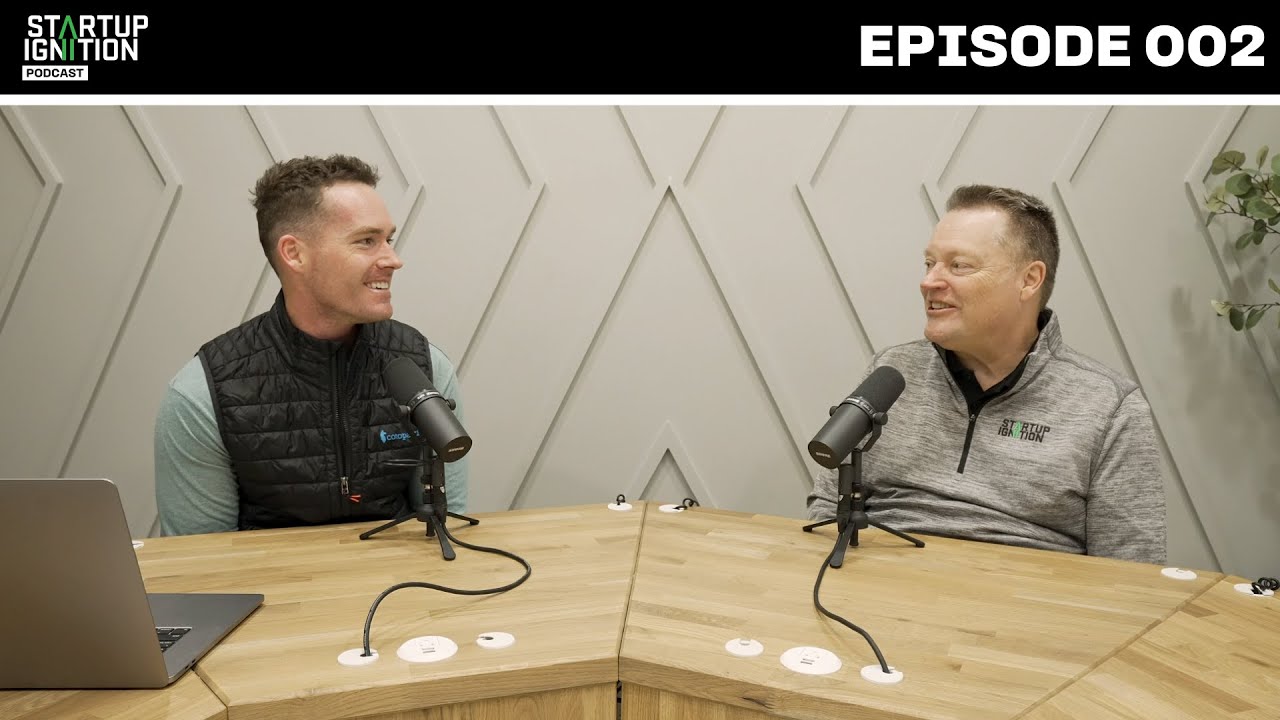
John and Tyler Richards explore the AI gold rush, historical startup cycles, and why bootstrapping remains a powerful strategy for founders who want to retain control and build sustainable businesses.
Key Takeaways
- The cost of starting a software startup has dropped by an order of magnitude every decade.
- The AI gold rush follows the Gartner Hype Cycle — expect a trough before real productivity.
- Bootstrapping produces better founder outcomes when possible — raise only when choking growth.
- Raise capital when you have a validated model with near-zero churn.
- AI's biggest immediate impact is cost efficiency, not new business models.
Notable Quotes
"Right now, the AI companies are sustaining themselves from investor money, not profitable offerings. The minute they have to be profitable, we are all going to be so hooked."
— Tyler Richards
Frequently Asked Questions
Is now a good time to start a startup?
Yes — economic troughs are historically the best time. Coupled with AI reducing costs, this may be a generational opportunity.
When should I raise VC versus bootstrapping?
Bootstrap until you're choking growth. Raise when you have a validated, non-churning model.
Will AI kill SaaS companies?
Not in the near term. Verticalized software for specific industries remains essential.
What is the Gartner Hype Cycle?
A model showing technologies go through inflated expectations, a crash, and then settle into real productivity.
Full Transcript
Show full transcript
what does the word Riz mean r i ZZ well that's one I did looked up oh you looked up I did not know it but it comes from the word guys Charisma from Charisma what you think what did you think so style you have good style what you think R me though I have no idea till I that's the only one I looked up okay here we go we're back uh we did startup ignition episode one this is episode two it's been crazy it was fun we had a good time hopefully everybody who was listening and watching had a good time as well um I'm your host Tyler and this is John hi say hi John y I'm here um yeah thanks for whoever tuned in uh had a few handful of comments from the podcast thanks for watching thanks for joining us on this journey we're figuring it out I don't know how well or not well we're doing so hopefully as we progress this thing gets better and better and better so uh I had a cool comment from someone that said you know what you and your dad should do you should do a father son Icebreaker or a fatherson like what your Viewpoint is on things and what my viewpoint is on things but I actually had a cool suggestion from from someone who was listening last time and said oh you should do something with you and John from a fatherson perspective and so well we've never disagreed on anything so I don't know how that would be interesting uh you guys will definitely learn that that's not true um I think we had many fights even this week so um but we we enjoy working together and we we we get it good we we compartmentalize we have family life we have business life we have Venture life we have boot camp life we have Academy life it's pretty crazy but it's awesome so here we go we're going to do a father son to kick the show off Icebreaker is what we're calling it and what we're going to do is we're going to do startup terminology so I want to ask you a couple of words that are new and old school and see if you know what their startup terminology definition is what do these words mean okay and I want your best guesses hopefully you didn't look at these before maybe you did you probably did because it's like one of the first things I have on the on the agenda for the show but here we go okay what is and I'm going to give you an example in startup lingo ready dulu and here's it it's used in a sentence thinking we can double our user base without additional funding is a bit dulu my guess I have no idea but my guess is that that's from the word delusion so it's delusional and crazy to think that yes that's right okay ding ding ding good okay next one I know the English language yes it's a shortening of delusional so that that one was easy okay here we go ready for the next one yes okay let them cook the marketing team has a bold new strategy let's step back and let them cook it just means give them the space to figure something out yeah sure that kind of it's a phrase to use to encourage someone to just continue their current course let them go let them take their action right we can't judge their recipe or the results in the kitchen because we haven't tasted the food yet let them finish cooking okay I get it okay ready yep okay another one here we go a little harder what does the word Riz mean r i ZZ well that's when I did look up oh you I did not know it but it comes from the word Charisma he com from Charisma what did you think what did you so style that you have good Style think RZ me though I had no idea to that's the only one I looked up and my my my sentence for Riz was the CEO's got serious Riz investors are always captivated during meetings so that's uh style Charisma that it comes from the word Charisma okay that that one we're not counting oh don't cut this but just uh that's an X because John didn't get it my dad looked it up he cheated okay here we go ready last one I would have never guessed that one yeah I knew you wouldn't that's why I had that one in there all the cool kids are saying it RZ uh the last one brain rot spending hour scrolling through memes is giving me brain rot brain rot just means you're you're spending too much time on something and you're done with it yeah like like a mental fatigue yeah mental faue like a or declining in a result of something like oh brain rot doesn't seem like that new of a term it's not that one was kind of more old school that's why I put that one in there okay cool so there we go open it up with the Icebreaker but let's get into some real meat and content here um this episode we wanted to kind of focus on old school new school what's changing in 2025 what's different landscape for entrepreneurs for Founders heading into this year we're still in January here as you can tell it's freezing cold it's literally my watch says it's 19 degrees outside today here in Utah um so we're at the beginning of the year what is going to change for entrepreneurs in the in the entrepreneurial startup landscape for them and you know the game is evolving but what strategies we'll need to change heading into 2025 that maybe wasn't present in 2024 2023 or you can take it back as far as you want to go if you want to go back 5 10 15 20 years but what is changing in today's startup landscape that maybe wasn't there before okay let's over look over the multi decade period first okay decades okay so like in the year 2000 to do a scalable Venture and let's choose startup you know uh in the software Arena it was very expensive to do a software startup in the year 2000 if you were doing any kind of web-based application yeah or trying to produce client server software where you had to have packaging and sell it on a physical media and transfer it to hard disk on a personal computer or anything like that it was super expensive with all of the things involved in doing a business like that even web-based software you didn't have AWS Google Cloud you literally had to whip up a server Farm yeah you had I mean a SAS company in the year 2000 what we know is sass today would often spend 8 million plus on a server Farm yeah okay so they'd need to raise 122 million to get in the first couple years and it's just uh the way it was and F flash forward to the year 2020 and you had a you just call up awf and spin up servers as needed on demand and it's super inexpensive and you're renting aws's incredible access to servers and and uh so r s i mean that that I believe and and 100 plus other things became free or cheap so it was literally an order of magnitude change from 20 from 2000 to 2020 and then now what we're seeing is so one of the big changes in the last couple years and heading into 25 2025 will be even more is AI artificial intelligence and the llms even and the help with software engineering all that I believe is going to bring it down another order of magnitude so you're talking about what might have you know a company might have needed to raise 12 $20 million in 2000 that was down to two to four million over the next 20 years by the Year got 2020 and now maybe a company lifetime will raise 2 million you lifetime yeah and so and they could produce a very valuable scalable Venture and that's a big change and so that is a huge change but today equivalent of that is AI and how it's impacting startups right the difference between going from setting up a 755 million server farm and then going to AWS or Microsoft Azure or some of these other services that have been built over the 2000s now we have ai is just as big a change AI might even be bigger than that but but not not because AI is created a new business model as much as it's helping existing business models be more efficient so in the areas of software engineering marketing Etc we're seeing dramatic decreases in the cost of doing a startup I I I really truly think that AI is going to be one of the biggest you know impactful Innovations in maybe my lifetime I mean the cell phone was obviously huge with the iPhone and and that coming out and that changed the game a ton but I think AI has the ability to truly be some of the biggest impact we see in a lifetime it's generational innovation and also on top of that to impact the startup landscape like it is and has it's going to just drive down every cost that's associated with building a startup I may not see it my lifetime but you will um even taking that out into the future more uh when we house AI inside uh humanoid robotic mechanism that's already that's already here and it's here at CS I sent that in the family text like two weeks ago so many in CS but what's going to happen is whether it's Tesla robotics or whatever just as much as we have a smart phone and it's so interwoven into our lives they're saying that in 30 Years everybody will have their own personal robot the same exact I have I have a a text group with a handful of Founders and startup guys around my local area and other people that you know we kind of all share information and news articles and cool things that are noteworthy to each other and I sent that article that came out um about this company that is selling a $166,000 robot a and it was showing things on its website like it could literally you know manipulate picking up an apple and putting it into a box folding your clothes yeah folding your clothes hang doing your laundry sweeping the floor like for $16,000 doesn't that kind of make sense at that point right so yeah so the robotics things are super exciting and all that but let's come back to some other changes so that was kind of multi decades and everything but there's also going to be uh changes that we need to be aware of because the question is what's different going from 23 24 into 25 for entrepreneurs and one of them is uh just understanding the macroeconomic effects on the asset class of venture and startups um some of you in your generation Tyler don't haven't ever lived through what we've experienced last two and a half three years which is an economic downturn you came out of college in the 2010 era and then rode a wave up for a decade of positive increases in the economy to near zero interest rates with Incredible asset value appreciation I mean you bought a house and it went up three times in value you started a company from scratch and bootstrapped it and sold over $20 million I mean this was an incredible economic cycle in time and all that and then you all were hit in the face like literally somebody hit you with a baseball bat in the face when 2022 and I remember the weeks when it happened like April 15th to the first week of May of 2022 all of you 35 and under people got said what is going on here everything came to a screeching halt valuations started dropping like a rock and nobody was investing money and that stayed that way for about two and a half years and so many young people that had never been through an economic cycle were like in total utter shock of course I've been through four or five in my life and career and so I knew this was coming I knew 2021 was a bubble and that it was going to burst and so one of the things that's changed dramatically from those of you that are still mired or stuck in the 2021 thinking that's normal entrepreneurship that was very abnormal entrepreneurship what the runup you're saying 2021 the valuations the ease to uh raise money that is abnormal that only lasts for a very brief time at the peak I feel like maybe in 2020 and 2021 we weren't feeling that it was abnormal so maybe we were under a spell that we thought it was normal but at the same time I felt like at least me and my peers and my younger generation you know I'm I'm 37 I'm really not even that young I'm getting up there but at the same time we felt like what was happening with the co ERA with all the money and the frothy times that was being pumped into the economy like you could feel something was different and weird and up and that you could it could only support so much so like yes I do feel like we were you know maybe in a spell as far as entrepreneurship and Venture and asset class valuation cuz we did think oh man this is amazing this is going up so high but at the same time we it got to a point where you started feeling it like this is not going to last forever yeah so I think one of the things then you know we did the multi- deade thing on the driving the cost down of doing a startup but we have to also the entrepreneurs what you got to be very aware of as you mature and now into going into 2025 is just be aware of where things are at in the macroeconomic cycle because that impacts every asset class including Venture so what does that mean so it means that you have to be aware what's going on so for instance in 21 I knew it was a bubble and it would burst soon and so we didn't make any Investments we had to be very careful things were overvalued and um that's a lesson that you learn a little bit from having the experience of getting burned from economic Cycles it's only literally you know experience that can give that that knowledge hopefully mentors can help you say so let me Mentor a little bit here and say where we're at in this current economic cycle I personally believe we have now hit the bottom of the trough um there's a couple overhanging things that I'm worried about but I think we're near or at the bottom and we're going to come up so that we come back we'll come back to this tape in a year or two and see if it's PR correct so we'll we'll so that means that if we're in the trough of an economic cycle this is a fantastic time start company there was there was we said that in 23 a little bit oh this could be the bottom I feel like 2024 as far as Venture valuations and and fundraising and startup growth was probably even worse than 2023 2024 was worse than 2023 which was worse than and we said the same thing in 2024 hey this could be the trough and I do think the latter part of 2024 might be that trough it might be the lowest part of the valley and so 2025 with everything that's changing with the inauguration with the office and everything so so it might be true this time is what I'm yeah without being economic predictors because we're not economists but it's recognizing the Cycles so if we're in the trough either just going into the bottom bottom or coming out of the bottom bottom well then we know it's a great time to get involved and start a software company or a scalable Venture company because you will literally be starting with the asset valued at zero with your hard work as an entrepreneur and creating value you will see a dramatic increase in value and the macroeconomy will create a Tailwind to you instead of headwinds which we've been faced the last two and a half three years now we could have some Tailwinds behind us and your work will be magnified and you will be able to create massive value you did that Tyler in 2012 the fourth year of the Great Recession you started a company you raised no Capital probably couldn't have raised capital and you bootstrapped it and over the next four years from 2012 to 2016 the economy started taking off 2014 2015 were boom years and you rode that economic wave with a great idea that caught the wave just right and then you sold the company in 2016 for that vertical Industries to of the market that if you had started that company in 2008 you would have died and not had anything happen yeah there I mean now a couple so you're saying there could be an economic boom coming just like that right now yes so this is a great time to hone your skills to be a great entrepreneur have a great idea and start something I also I want to caution one more thing because you're asking me what 2025 new thinking I'm going to do new new thinking new thinking is AI is going to change everything in a lot but we got to remember the Gartner hype cycle got to remember that things get an Peak reach a peak of inflated expectations and then they get tempered and we realize okay it's not going to change everything so how is this practically going to affect things AI at first is just going to make companies more efficient it's not going to change everything we do all the time that's going to take years and years there's still great businesses that we can start that aren't AI businesses but AI will help us make them more valuable more Capital efficient but and I so AI is going to be impactful and actually I remember watching a clip this past week from Sam Alman talking about right now as one of the best times to be an entrepreneur he was obviously guiding that and directing that towards the Innovation that I spoke about earlier in the podcast that this is one of the greatest Innovations we've seen in our might see in our lifetime so he was saying right now but now couple that with the Tailwinds of the economy yes and couple that with the trough of where you're starting to build right at the bottom and then naturally the econom is going to rise up of time th this could be a generational time to be starting to Startup just well you and I know companies here in our home turf of Utah that started in the Great Recession 2010 2011 2012 and they became unicorns billion doll companies or bootstrap companies that sold for 100 million and the founders became decamillionaires that all happened because they started you take any one of those companies and started in the year 2020 and they don't make it yeah y okay something else I'm I'm going to give I'm going to throw something out there something that's changing in 2025 that kind of piggybacks off of all this thinking too with the the economy and Innovation and Ai and you know the markets hitting a a trough and and starting to peek out or come out and go up and to the right is also I think the VC landscape is going to change in 2025 uh you know we have a venture fund startup ignition Ventures we're active investors and you know we talk to thousands of startups a year that are looking for Capital and so we are in this market we are in the trenches literally of this experience in rubbing shoulders talking to other funds that are larger than us or similar size or in the exact same Market out of the market that we're at and so we have a really good you know kind of feel for what's happening and even just talking to our VC peers I feel like things are going to be so much better in 2025 so my what's changing this year is the V VC landscape not just the economy and not just you know a better fruitful economy that's going to be you know up and to the right but more so specifically the VC and fundraising landscape I feel like is what's going to change from 2023 2024 to 2025 so if you have a multicyclic experience in life meaning you're older you know that's a change but it's not really change it's just more the same from where we're at in the cycle for instance VCS went insane in 2021 and they have massive losses from a lot of their deployments in 2021 yeah okay you and I sat in many VC conferences and discussions where in 2022 2023 2024 they were from exuberantly optimistic then to terribly pessimistic and go it just completely 180 degrees from where they were two years earlier and I have made some predictions at some of those conferences saying uh watch again 3 four years from now you're going to be just as exuberantly optimistic as you were in 2021 because humans do that we go through these cycles and we let bubbles form and we let disillusionment form and you know the more older you get hopefully you learn not to go too extreme at the Peaks and the troughs like for instance what are we doing Tyler we purposefully chose to deploy Capital the last two and a half years and get in on great valuations with great companies and that's by Design and hopefully that pays off for us some of our limited partners that we didn't even solicit came to and said you guys are going to make a lot of money so I want put money in your fund so yeah I do think it's going to be a whole different ball game the VC game's going to change and why Capital they're just going to be ready and willing to invest where before they were kind of tight and closed doors and kind of pushing opportunities aside because they were unsure of the the economy the landscape the environment and now I think there's a little bit more confidence overall in the market so it's going to Rel can I give a specific to I'm going to talk to you out there who has a company that has struggled for 2 and half years but you've managed to get to like 15,000 a month in revenue or 20,000 a month in revenue or 25,000 a month in Revenue over last two two and a half years and it's been a fight and a struggle you are so well positioned right now you have now figured out your business model you've you know how to create capture and deliver value in the marketplace you've got your system starting to be a place where non-founders are learning how to do the things in your company you are going to ride the next few years up and create so much value and take your Capital wisely if you're going to get external capital be careful with it take it wisely get good partners get good capital and and you're just going to create a lot of value you whoever you are out there in that position come talk to us by the way but whoever you are um you are positioned so well for taking advantage of where things are at if you're starting fresh right now just quickly get to a great business model and Catch the Wave and that's what we do it start up ignition so okay flipping the coin that was heads we're flipping over to Tails okay what is staying the same what are cold hard facts foundational principles strategies things that are not changing from 20123 2024 to 2025 or if you want to take it back to decades you like old school go back decades well things that don't change don't change so what's the first thing that doesn't change well what's top of Mind what's number one idea you have to have a great idea that's a great business opportunity and that where you can find a great business model so if you excuse me the experts in ideation if you start a business based on a bad idea and experts can tell you whether an idea is good or bad if you start a business B on a bad idea you can do all the other execution things really well and you are going to fail what okay so what constitutes a good idea well um a good idea that's a really interesting question so let me just point people to one of the most definitive Works called the new business road test and that's by John Mullins out of the University of London and he wrote a book called the new business road test it's a great book it seven domains where you can judge an idea by I have my own personal seven domains I judge an idea by um it's too probably too much to get into in this podcast but as John Mullen says in the forward to his book we could avoid 90% of the failure in entrepreneurship if entrepreneurs would just stop launching companies based on bad ideas that's not that hard to figure out okay and so that's first is you have to have a great idea not a mediocre idea you have to have a it has to have a great opportunity not all great ideas have great opportunities so it has a great idea that is a great opportunity and then you have to have a great business model because not all great opportunities can find a business model a business model is defined as how in the marketplace do you create value capture value and deliver value profitably and you have to figure that business model out so so basically idea is King business model is King validation is King those are not going away in 2021 yeah so you can't so you brought up the next Point valid don't launch on an unvalidated business model you can hypothesize a business model that you think is all that but have you scientifically proven that that's at the heart of our starup recognition boot camp but at the same time it's a tried and true principle that you can very inexpensively and quickly validate B hypothesized business models I believe why do we in 2025 still have massive failure in entrepreneurship because people people are not applying Lean Startup principles and validating business models they are assuming that their hypotheses are correct right and then they spend their time and treasure meaning their time that they've been given in their life and any money and resources they have pursuing a business model that they've hypothesized and then a year or two later they go how come nobody wants the product we've built uh because you never went and proved that there was a market for the product how many how many times have your peers or your friends or your buddy or your cousin put in so much time and effort into something and they launch it or do it or you know make the website or you know get the you know the molds done for the manufacturing or get a shipment from China and they launch it and crickets chirp right it happens so much that's called missing the market and that's caused by not validating acting on a hypothesis not a validation and by the way acting on assumptions and guesses is one of the most expensive mistakes in all of Entrepreneurship 100% okay moving outside of validation something I think that is going to stay it's a it's a cold hard truth that's going to go move into 2025 is validation is King but cash is King what I mean by that is traction and revenue and cash coming into a business is still going to be one of the most effective things that proves that you found that validation that you found a business model that you've actually done the work that actually results in a successful business model one of the Great entrepreneurs I invested in Josh James founder of omniture and Domo people might know him he's kind of nationally famous I invested in him when he was a student and uh and and he has his own book now that he gives to entrepreneurs on his tips for entrepreneurship and the first tip on page one is titled revenue revenue revenue and underneath it says Revenue cures all ills yep and and so what what I'm meaning by that is going into 2025 Revenue you know generating cash actually pulling in revenue is way more and going to do more for you in the landscape of fundraising and building a successful starter than any kind of hype right I feel like 2021 2022 you could get around you know a a bad business model with a lot of hype or a lot of bandwagon type fundraising party rounds whereas today's landscape in 2025 I feel like the Venture Market the startup Market the entrepreneurial Market Market we're just going to be more educated in that okay we learned our lesson and we we took it on the chin from 2020 and 2021 now we need to see the traction so cash is King and is way more um mattering than any kind of hype yeah and again it's all cyclical a few years from now we'll be at the same place we were at in 2021 but right now we're still feeling burned from 2021 so yeah everybody's looking for a real businesses that can really generate revenue and traction and that are real but someday we may be back to where you can have a idea on one piece of paper take it to a venture capitalist and raise you know $2 million at a 20 million valuation which is totally insane but it might happen again yeah yeah we we'll get back there we surely will okay moving on what if you were building a startup today and launching a startup in 2025 what is the number one thing you be focusing on in right now today like if you had to launch something today well did I already have the idea or I just say I I want to quit my job and I want to be an entrepreneur either one either one okay well at the very start I want to be a problem Hunter I want to be looking for problems that I am aware of that I've even felt the pain on or I have a close group to me feeling the pain I want to find something that is in the markets that I'm aware of that's really painful to the consumer or users or clients in that market in other words if I am going to be an entrepreneur I want to be involved in something where I have what we call good founder market fit yeah so I want to look for pains and problems that I'm intimately aware of you entrepreneurs don't you say I need to find a business idea that's kind of a silly statement saying I need to find a business idea is not a good thing to say what you are is really a problem Hunter and you say I need to find a big problem a big pain and then I need to devise the solution for it and it shouldn't be you know three college students that have never been in a certain vertical Market should say I'm going to go into that vertical market and I'm going to find a problem and solve it that's going to be a lot harder than it is if three people that have worked in that industry for five years say I know the pain and I'm now going to start a solution for it and I think you you touched on something that's pretty important for our listeners to understand is that founder market fit because a lot of people have heard about product Market fit right like that your product fits into the market that you're selling into but founder market fit meaning that the founder actually fits has domain expertise or knowledge within the industry or sector or Market that they're operating in is actually huge indicator of success let's tell a story a war story from the last few weeks you and I and what we found so which one and this is I'm not going to name the company for privacy concerns but you and I just closed an investment on December 31st and two uh Executives the business guy and the tech guy that spent a decade building a company or a business under another company and so they were just getting a salary and they were building this company up and they've worked on it for 10 years and it's always been kind of quote unquote a stepchild of that bigger company and they just didn't get the resources but these two built the product software product and they sold it and got decent revenue for two guys in a bigger company doing this and it came down to where in 20 into 2024 that big company said and they also proposed it said Hey what if we do a management buyout we two guys buy this out these assets from you and they came to us and we helped engineer them starting a new Delaware C Corp yep doing the acquisition of the assets from the big Corporation finding them an attorney to get that acquisition done which is a huge task by the way uh and then and then in between that right before the acquisition of the assets we funded them yep so what did what what is super high in that deal that deal is an interesting deal because we have immense founder market fit right immense matter of fact two days after closing this now new company with these assets put into it the business leader the CEO went out and sold another new client for like 12,000 annual revenue and he did it in two days and while he was still trying to put the company together yeah that's founder market fit but that founder made a typo in that text message that said 12,000 Mr R I'm like you mean 12,000 AR you got super excited I got really excited even though he said M and you meant AR so but the bottom line is that they've got revenue they've got an existing customer base and found a market fit that's incredible so that's an extreme example of when that's why matter of fact and now I'm just going to bring some stuff into this a little bit the book by Michael Gerber called the emth Revisited said entrepreneurs that are in an industry or a business or excuse me employees they often think I'm going to leave and start my own business and that's really actually good with founder market fit what that book tells you is be very careful that you're not a technician entrepreneur only though and that you don't learn how to be a good entrepreneur these two Executives came to us and we are coaching and training them on how to be great entrepreneurs and I'm super excited for that investment are you too yes very and the founder market fit is insane it's that was part of the but they needed to learn how to be entrepreneurs and so that's why and we recommend the emth Revisited book by Michael Gerber very much because one of the greatest sources of failure is a widget maker who says he could be a better business owner than his boss quits starts a widget making company and then utterly fails and realizes later his boss might have known what he was doing he was an entrepreneur and knew how to run a business I don't know how to run a business so if you're an employee and have a great idea in your industry and want to quit and start your own company you can have founder market fit but you also need to know how to be an entrepreneur right you you obviously have to have execution execution is most of it right yeah but also it's there's executing the business of that vertical but there's executing the business of being an entrepreneur right right yeah just being overall entrepreneur okay moving on so that those are that's kind of summing up 2025 from from startup ignition's perspective um let's move into something a little bit more headline newsy trendy and I don't know if you saw obviously the inauguration was this week and I always say let not get political but practical but at the same time you know politics and our president and you know affects everything just like the Cycles affect things the uh government affects things government you know government has a lot of power right and so that's why we should care and that's why we should discuss and talk about some of the the noteworthy things that are happening within our government and the presidency but I don't know if you saw in the inauguration kind of the big Tech leaders um present at the inauguration I mean you had Sundar from Google you had Jeff Bezos from Amazon you had um Mark Zuckerberg from meta you had Elon Musk you had uh the CEO of Tik Tock right I mean everybody was there so what what what do you think how might do you think that this renewed relationship between big Tech and the policy decision affecting will be affecting startups like Trump is trying to pull in these kind of minds and these kind of people around him do you think that's going to affect anything within the startup landscape big Tech kind of coming back to the government and coming back to the presidency 100% if if we can avoid first of all did you see that though didn't you see like all those people were there am there's also Jamie Diamond um uh one of the most influential Bankers in the world is support of this new government the the the new government is uh Administration is pro business yeah um you know just not getting too political but having to do with understanding the economic Cycles um the last Administration two months into it created $2 trillion more of funny money on top of all the funny money created to cover the covid problems and that sent inflation skyrocketing so then they had to do a 11 rate increases at the federal funds level which slam the company into a recession that immediately slam the Venture Market yeah and you and I felt that and saw that matter of fact that's why we started start condition Ventures we said okay if they're going to slam it down to zero let's get in early on these companies that's that's a cyclical decision we made and so governments caused these Cycles so you got to understand them so I think that a pro business administration is going to cause uh going to give more impetus so to that but what we've got to avoid I I have one thing I'm worried about I think so I said 100% I think we're going to be into a Renaissance in entrepreneurship so you're excited about a Renaissance and Entrepreneurship if they can handle the one looming problem of commercial real estate they went Hog Wild from 2016 to 2021 and built Class A office space and there's multiple trillions of dollars of debt on those buildings which have come down massively in their valuations so a lot of buildings are sitting where they're underwater meaning their value is less than the debt on the building that's a problem for the banking industry and the real estate industry and it's so massive we just got to make sure that doesn't cause macro issues of ignoring that I think it's G to be a renaissance and Entrepreneurship so you're excited about the government and the landscape for startups and what could be possible right that's what I'm understanding yeah I mean I agree I I mean I I you know it's real early and I'm just from what I've heard but the Stargate proposal of having the United States be the world leader in AI infrastructure and having the massive investment in the data centers needed with energy and power and chips and the data power needed to run AI systems of the future and have a the United States be a leader in that instead of siphoning that off to other nations is very exciting for us in the United States and Entrepreneurship there's going to be lots I'd like to say they can do what they want to do at all those levels but those of us that are entrepreneurs at more of the local and Regional level there are Crumbs from that huge table that are very very nice to get yeah I mean that's one of the things that I've realized is that Crumbs are nice yes yeah I yeah I I mean you know Crumbs are life changing you know we're not Elon Musk we're not we're not we're not Mark Zuckerberg we're not any of these people but America is a great place and we can take the crumbs from the table and have a very nice life a very nice life so do you think that this um government and this presidency and Trump that you're excited about is going to be more favorable for regulatory things as for emerging tech companies or startups like is is this going to impact the small guys in a meaningful way like I I think Trump was elected to for literally just getting rid of regulations common sense yeah common sense right like obviously he has his border issues and his drill baby drill and all these other energy things but like and reasons why he was elected that a lot of the American people can agree on but I think one of the biggest things was obviously his Pro business movement and his deregulation of a lot things yeah let's talk about regulations and then you and I like to focus on scalable Ventures let's talk about non-scalable Ventures like if I want to be open up a hair salon the regulations around open up a hair salon in this country and in most cities is incredibly hard they literally and we've all heard about it we all know about it you have to jump through hoops and takes weeks and months to get approved to be a barber or a stylist and and in a business that you got to work your tail off even to make a living so why do they make it so hard that's the thing Trump's first term he promised for every new regulation the federal government came out of he'd get rid of two but guess what he got rid of 22 or 23 for every new one during his four-year first term so that's really positive people don't you know recognize that and I think that's going to happen this time and it's we um unbridled capitalism 100% unbridled capitalism can be problematic so the United States version of of capitalism with some guard rails and safety nets is good um but we can't have it so there's so many regulations that would completely stifle entrepreneurship and I think we're going to lessen those regulations and you know we need to have make sure that people can't just put drugs out on the market that kill you okay we want that to be looked at but at the same time we can't have it be that it takes 20 years to get a drug to Market that can save lives now I think I I think we're seeing those effects in California with the fires and everything that's going on like you have to get a permit to do this you have to get a permit to do that you have to give like it's insane like filling up a water reservoir yeah no it's just but I'm just saying even the restructuring or the rebuilding now right they've had the effect everybody's worried about the actual time that it's going to take for people to actually get to rebuild the small businessman that does a small business and again let's do a little teaching there for a second what's the difference between a small business and a scalable Venture a small business is a business where the founders start the business the primary purpose of which is for that those Founders to make a good living make some profit and over multiple years create a nice company and a nice life for themselves a scalable is different at the outset it is designed to become a100 million company and get external investment and those investors make money from a value increase and you're creating an asset that you're going to sell someday for a gain it's got a different purpose from the outset they both look similar when they start but there's a very distinct difference um and so the regulations on small businesses is atrocious same for scalable Ventures so I think everybody Entre where they're doing small business or scalable Ventures are going to go through the Renaissance in this Administration right right I agree okay um okay we I'm moving over I don't want to go back to AI but AI is so prominent and in the headlines and and so not you don't want to go back but you're going to yeah but I'm going to um there's just been so many um you know we're a preed fund at startup ignition Ventures meaning we write first checks into companies right we we don't even write really million dooll checks we write up to s 50k checks in in the first stages of a company um but I've I was just going through a lot of the AI kind of fundraises and there's been a ton of preedee AI fundraises within the last week two or three um and I wanted to kind of couple a few of those up cumis AI I hope I'm saying that right was 2.2 million precede funding uh paramel AI raises a 2 million preed investment K AI launches with a 5.3 million preed funding um there's just and they're all over the news and you know I just want to take this because it's interesting that a lot of startup ignition Ventures stance on AI right now at least in these early stages is we kind of have a wait and see attitude towards AI but the broader landscape of VC they they seem to still be kind of going hard and heavy into AI so seeing these news articles and you know cumus is a Chicago based I um and and there's another one in um Boston and it's all over the country so it's not just this Centric geographical um area it's it's all over so what are your thoughts on that like if startup ignition Ventures kind of stance right now is it's kind of tough to invest in AI because it's ever changing you know something that was existent in AI six months ago could be completely different today or mon from now yeah last week so what I'm saying is is the broader landscape is continuing to to invest even early stages let's put it into perspective so about 50% of all venture uh being invested right now is in AI okay and it's again the lemming's approach to investing the party rounds people there's a fear of missing out fomo that investors are susceptible to and if you think there's a hot AI or something's going to happen you don't want to be the a the investor that missed it and be embarrassed by missing it or missing great returns so everybody's hopping on it um again if you've lived through few cyes a little older in your investing career you learn that that can be very expensive to chase those things with new technology AI is in the early stages of making its way to the peak of inflated expectations in the gardener hype cycle and it's going to have a crash at some point just like everything and then we'll figure out and after the trough of disillusionment where the plateau of pro productivity is and yeah if you guess right and choose a winner right now and it makes it through that whole phase you're going to be a big winner mhm but many people are going to lose a lot of money and um and right now you and I have been on pitches where companies say they're an AI company and while they're pitching to us we're on chat PT completely replicating their company right and that's my whole that's my whole thing here is that a lot of these precede AI companies can be replicated by just the normal language learning models that are out there today that everybody has access to so um is your answer to the question then is AI to is AI still relevant is it still is is it smart to be investing in as AI it just depends on the technology or the the market or the sector or or product I think the lm's the large language models I think that they um Can replicate a lot of what we see in people saying no we're a unique AI company no you're not you're not that unique I can replicate you with the llm even not even a specialized AI right but so that's you just to be very careful as an investor in not you know believing the hype and you got to look is this a real business is it really effective I'm much more impressed today sitting there when I have somebody saying I'm going to go create a software for this vertical that's what I was just going to say and I'm going to be 70% more efficient in my Capital spend creating that company because of AI and we're going to use AI enhance the features but we're not an AI company that is just an AI that has used chat GP to create an i thing I I that I want to know I want to see Capital efficiency and enhanced features coming from AI but not something that's a faux AI saying like to do the same task but say I'm doing that task with AI is just creating more efficiency it's not a reason to have a company it's a feature but what about products again we have that here's a good way of saying that a lot of times over the decades and Entrepreneurship where I've been involved as an investor is is this a feature or a company but what now let me say this what about products that are attacking a specific workflow or vertical like you're saying um but that are more customized to that vertical than just going to the llm right so let's take a a a law attorney offices um software where it's maybe doing case management or something or some kind of AI agent is helping in you know impact that workflow making it more efficient quicker it like even though you could go and do that on chat GPT putting in a case study or you know you know parameters of a case or information and data around a case and then spitting out some kind of jargon or you know some kind of WorkFlowy result or product from that but this tool is a specific tool built for that workflow yes so basically what you're saying is is making a uxui frontend to chat GPT that's highly customize and easier to or easier to use or highly customize in that example let taken the legal world some legal function it's obvious that a lot of the drudgery of legal work is enhanced by AI right okay that's given that now the lawyers can go to chat GP and get things done directly or is there a business where somebody can create a nice uxui and enhance that by um by uh making a nice front end to make it come together and easier to use for the lawyer or off some kind of customized feature set the answer so the answer is is that company should that company exist and I think the answer is it depends it depends on a lot of factors like the vertical in question the founding team of that company propos in and the users and the you there may be for 30% of the lawyers they need that 70% don't so is that 30% got a total addressed Market here's some of the things staying the same fundamentals is there a tam you know an apex market and then a tam that justifies a standalone company so there's no hard and fast answer to you what you're bringing up it's all going to be situationally specific and looked at each situation because there's so many variables you got to look at all the variabl is that makes sense yes so these investors that have invested in these precede AI rounds have probably found some kind of you know traction or product or feature set or impact to the industry that these products are tackling that have made them say Okay I feel like this is real AI I would I would venture to Guess that the biggest impetus to those Investments is their belief in the founding team yeah they have been wowed by the founding team or the credentials of the founding team like you and I felt this way I don't know if I like what he's talking about right now but I know he's a winner and I want to invest in him right okay you and I felt that way about a handful of people and that's that's a lot of impetus to this investing um some investors you know remember uh there were about 1,400 VCS before the Great Recession they fell about 400 VCS after the incredible uh period of the Great Recession and then by 2021 there were 3500 VCS so and now we're down to about 3,000 I think those are rough numbers that I've read about so we we we cleaning out not all VCS are great VCS can be susceptible to hype and get wowed by smart talking entrepreneurs I love how we keep talking about VCS and fundraises that's not what this podcast was supposed to be about but every keep it keeps coming back to there because I think a lot of entrepreneurs think VC and fundraising is like the Holy Grail yeah hey I just raised money I I'm successful no but hold on is VC fundraising the Holy Grail I I don't think it is I think there's actually a huge trend from the last two years that we've been seeing of of entrepreneurs choosing to bootstrap yeah well that's because think about what I said 20 2000 to 2020 an order of magnitude less expensive to do a a scalable Venture and now we're in the process of even making that less with a20 to 2025 a magnitude expense so the whole point it's very interesting right so that means and this this has changed the VC landscape it it's changed the VC landscape in 2000 you had to have a $400 million fund to invest in about 20 SAS companies yeah okay if you have a $400 million fund today we have a $20 million fund and it we're not even using all that capital and we've made 18 Investments so far yeah and so literally it's just a different ball game it's changed the way VCS are yeah but you're to answer your question let's back I I say it's not the end all Beall because how many times tyler have you seen in our startup ignition boot camp we have you know 30 entrepreneurs in there three of them we know have just raised money let's say and how we I how many times do I always ask I say hey you just raised a you know half a million dollars or a million dollars tell all these ones that think the day they rais money they've arrived and every all their problems will go away you raised four months ago a million dollars have all your problems gone away and they go no and I go have they gotten worse yes yep they're bigger and has your life been made simple no yeah I mean it's the beginning it's the fundraising is the beginning of the it's actual beginning um so when okay in that question between is is fundraising the holy grail and obviously we've decided it's not I agree with that but when is the right time to fund raise between having this goal of of fundraising versus bootstrapping what what is the timing or what should an entrepreneur or a Founder be looking for to make that kind of decision I get that question asked all the time here's my answer um when I think you should bootstrap as long as you possibly can until you're choking your growth what do I mean by that if we mathematically plot out growth on a chart um if your slope of growth is too slow if you're saying I'm growing 2% a year okay bootstrapping that's too slow and you're choking your growth probably but you have to say okay let's get out and look at our financial projections if I got in $500,000 of investment could I take that growth curve that slope and increase it dramatically let me give you a war story okay you and I know that we found two brother entrepreneurs that were in an industry and they said we want to create the greatest software for that industry MH okay what did we do we met them they came through a boot camp we mentored them for a year and a half and they went very slow bootstrapping figuring things out and one day they came to us said okay we think we bootstrapped long enough and we've gotten to where we're at and they got to like what 5,000 Revenue a month or something yep okay and they said I think we need Capital now to get that growth curve to increase because they listen to my teachings so they came in and we gave him $600,000 and since that year and a half since we gave him 600,000 that was about a year and a half ago they're now have more than 10x their revenue and they're on their way to Greatness yeah more than 10x the revenue yeah yeah so that's an example does that make sense now so my my answer to that question then when is the right time to fund raise or you know to bootstrap and you're saying it's when you're choking your growth I'm saying it's kind of when you are demonstrating traction where yeah you're at a trickle of Revenue and so you're proving that there's a market there and fundraising anytime before that you're actually fundraising on an unvalidated business mod let's make a really important Point here in this war story for teaching purposes that 5,000 Revenue had achieved they were having zero turn right okay very important so that zero turn that had gone on for that year and a half that is a sign one of the most important things entrepreneurs need to realize the time to get external capital and go is when you have actually figured out not only how to get a customer but to not churn customers churn is the symptom that tells you you're not ready yeah and again the the non-turning the business the the the track action or the revenues even if there's trickles of revenues coming in demonstrates that you have a business model that is actually working in in action anything before that you're in search of a business model and if you're trying to fund the search of a business model that is a way to waste a lot of capital and basically throw your fund raise out the window and we've all seen that before right when someone raises 500,000 a million dollars and they haven't solidified their business model that means they're still in the search of a business model and they're trying things and fig trying to do this or that and it's just not coming together and that's when you run out of your Runway and ultimately your company dies right because you prematurely fundraised right yeah hey this may be a biased father statement but you're a great moderator and uh Jason calanis I'm telling you right now you think you're the greatest moderator in the world you got somebody coming your way well okay uh I don't know what to say to that so we're almost out of time honestly we've been going I think for almost an hour and it feels like it's been 10 minutes but um wow it really have it really has uh anything to W another great Episode by the greatest moderator in the world well hey I I was I and today I came with my hair done and fresh because someone told me on the podcast our last episode I didn't even look like myself so I'm like I think it was maybe the hat or something so I'm going to go with my hair so guys this is what I look like my name is Tyler this is me and actually speaking of that I wear hats a lot so you'll see me in the hats a lot but this guy doesn't wear any hats my head's too big yeah actually funny story we'll end on a funny story here when I was like 13 years old we um and this is right when my dad sold I think your first company um and so we had a little bit of money in the bank and I think we got invited to a skiing trip in Canada and uh we went to the ski in ski out Resort and the first time our our family from Seattle was skiing do you remember this and uh so we were all learning but you know us as young kids we caught on pretty quickly and you were kind of having more rough time cuz you were like in your 30s maybe even pushing 40s 38 years old yeah yeah and he was having a rough time skiing and I remember him having a horrible day or something and he was just like sick and laded and just like I got to go to the lodge or whatever he needed to do and we were all like so worried about him like what is going on is the ski just not his thing or what's happening and he had this beanie on right and his head with elastic with elastic on it and he gets the lodge or back to the house of skiing Resort and he takes off the beanie and he takes it off he's like oh I feel way better now and he comes back to everybody's like I think it was the beanie I'm like dude you I I've researched this uh people with big heads if the elastic is too tight around here you get headaches and you feel nauseous hey you know what they say about B I get nauseous big brains so yeah yeah it's hard to fit all these brains in the head right anyways that is episode two of startup ignition podcast thank you guys for listening I hope you've enjoyed it we're trying to give practical advice mentorship and just all around knowledge around building startups in early stages so join us for the next one we're going to have guests on we're lining that up as we speak but thank you so much and we will check you on the next one
Listen & Subscribe
New episodes drop weekly. Subscribe so you don't miss the next conversation.