John and Tyler Richards break down current AI investment trends, what makes founding teams investable, how the VC market is shifting in 2025, and the startup strategies that separate winners from the pack.
Show full transcript
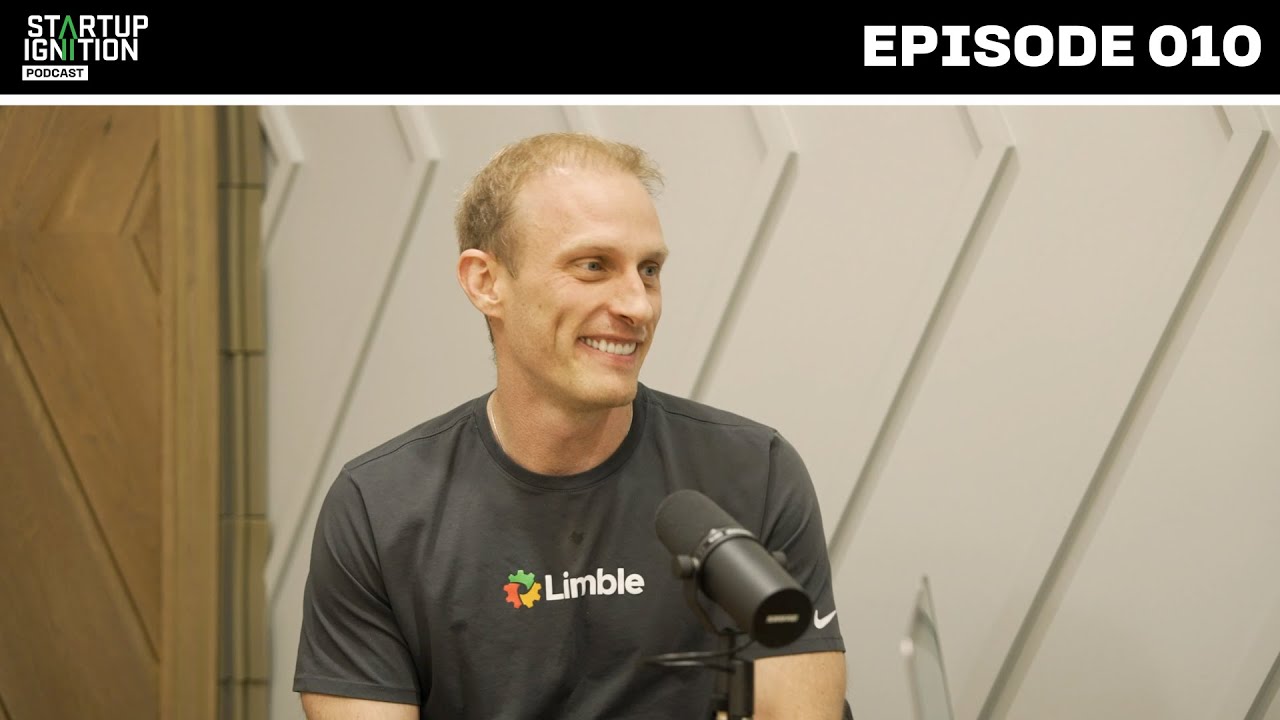
I had PTSD from the first business cuz I'm not going to make that mistake and spend 5 years on the wrong ID again. So I was like, I'm going to go talk to like 200 facility managers and maintenance managers. And so I was like, okay, screw this. I'm just going to cold call. And so I was horrible at it. Just picked up the phone. I was like, please talk to me. Like I did I did not know how to do sales appropriately. Talked to close to 200 maintenance managers, facility managers. Learned everything about them. What are their pains? What are their problems? Where do they go for information? What's their favorite cuss words? Everything. like I needed to in essence become like a maintenance manager and I didn't have 10 years to actually do the job. So I talked to a ton of them, bought a whole bunch of books, just learned every single thing I can. Well, so one of the the greatest points in my life uh was when I raised the series A, walked in and wired my dad $9 million. Got to go call him and say, "Hey, go check your bank account. Uh is it there?" And he's like, "Yeah. Next to rock next to rock next to rock next to rock. Welcome everybody to the next episode of Startup Ignition Podcast. Episode number 10. Number 10. We've done this 10 times now, which is actually ridiculous that people want to watch us 10 times in a row, but we'll take it. Uh, thank you for tuning in. And, uh, I'm Tyler and this is John and we are your co-host. But today, we have a special guest. We have Brian. We are so happy to have him. And I have a little bio for you, Brian. So, I'm going to read it real quick here so everybody knows who you are, but you need no introduction. So, Brian is the founder and CEO of Limble CMMS. Brian Christianen. Brian Christianen. Sorry, we'll have to put the last name in there. But Brian, you are a self self-taught full stack developer. You have a coding background, right? Yes. Yes. And you were and you are now turned marketer entrepreneur. You were forced into the CEO role. Now, now I'm a CEO. So now I don't code. Now I don't market. Now I don't do any of that. When's the last time you got hands on a keyboard to actually code some lines for the company or for myself? For yourself? Um, probably a few months ago. Okay. So for the company? Uh gosh, three, four years. Oh my gosh. Yeah. Yeah. Yeah, it's it's been a minute. So, you've you've kind of missed this heightened AI wave for myself. You were just trying to do that. Yeah, I needed to figure out needed to mess around with chat GBTS's API like actually really learn the tech and and be able to understand it so that as I'm making decisions as a CEO, I still understand the tech. So, I I'm going to tell everybody I'm probably botched this pretty bad even though I'm very familiar with Limble CMS and what you guys do, but it is a uh maintenance software management platform for well, just what's the CMMS acronym stand for? Computerized maintenance management software or system. And basically, it's a a system that allows you to track everything you own, all the parts that you may need to fix it, and who's going to fix it. And you guys have grown to thousands of customers. Yeah. 3,400 3500 3500. So CMMS is an entire category and there's lots of competitors. 200 300. Yeah. Only a few. Only a few. And somehow you rose to the top. A lot of hard work, a lot of great mentors. We're really going to dive into that somehow today. Okay. And so, but you have clients like McDonald's and DHL and Pepsi and Nike and crazy huge name brands. Yep. Yep. And if you're in Utah, Powder Mountain and Wash Peaks, all sorts of great locals as well. But that's not your biggest accomplishment. You're also a father of three children. That's right. Right. And I I just recently found this out when I tked AI to do some background on you and create a bio. You're apparently you're a Forbes writer. Is that a thing? Yes. Uh yeah, technically I guess. Uh but uh I I don't really contribute very much at all. A lot of notables in Utah have become Forbes writers because Forbes loves the Utah environment. When uh Chat GPT came back with that, I was like, I didn't know Brian was a Forbes writer. But there we go. Here we are. So, okay. So, but before we get into the episode, we always do this. I don't know if you've ever watched any of our podcast episodes. I completely don't blame you if you not, okay? But we always do like an icebreaker or like a little game before we get into your story, your background, and just to kind of set the mood and ease into it and have like a light-hearted conversation. So, the icebreaker that we're going to do is a rapid fire this or that. Is that okay? So, I'm going to ask I'm going to give you two things and you tell me which one you like better or which one you don't or which one's worse or better. Okay. So, here we go. Energy drink or coffee? Coffee. Coffee. I like it. Early bird or night owl? Night owl 100%. Really? I am an early bird now, but that's because of the three children. So you're you in multi time zones where I have to work wake up for So you'd rather be up later than getting up earlier. Some of the best things is staying up till 2 3 a.m. just I'm a sleep guy. I need my sleep. Okay. Equity or salary? Equity. A billion%. A billion%. Oh yeah. For the first long time I didn't take a salary at all. Really? And even now I don't take a big salary. Rather rather hire another AE. So equity equity. Okay. Home or office work? That's a hard one. We're fully remote. So, I want to say home, but it's there's Wait, Limble's fully remote. Yeah, we're going to Let's explore that later. Fully remote, but there's nuances there. As we get bigger, it gets a lot harder. And there's different roles are way better in office. Certain roles better. That's honestly shocking to me. I feel like the trend is coming back. The pendulum's swinging the other way to go back to office to office for a lot of reasons. And uh I mean we can talk about it later, but but yeah, I love personally remote. I absolutely love working at home. My kids are there, all of that. Love it to death. But it some uh type of roles, it doesn't set them up for as much success as in an office. So when I'm looking personally, love remote, but when I'm looking what's best for some employees. So your answer on the icebreaker would be you as a worker remote. Yes. Me as a worker remote. But for the health of the overall company, limited. Depends. Yeah, it depends. It depends on the role. Okay, cool. And that's consistent with the data, right? Yep. Yep. Yeah. Summer or winter? Summer. Summer. I agree. Yeah. Okay. Here we go. Elon Musk or Jeff Bezos? Musk. Musk. Yeah. I think it's a little political, but that's okay. All right. Here we go. Stealth mode or public launch? Uh, like you coming out with a big bang or you keeping something secret and close? I normally don't talk. This is something I'm changing over time where like at this beginning, especially with limbo, like I remember like no one knew us, right? Yeah. And it was just like we're just building and so we've always kind of been more quiet, but now that we're bigger and we're known and whatnot, like when we release new products, it's got to be like, but yeah, now it's like, okay, strategically it makes a lot more sense to be loud. Yeah. So, smaller the company probably more stealthy. Bigger the company probably more splashy and public launchy. Well, I I wouldn't say that's the right strategy. It's just more of what I did and what I'm I'm just not naturally the type of person that's yelling from the rooftops. And I'm getting better at that because later on it is helpful. But um if I was a different person at the beginning, I may have been a lot more loud. But also I this one comment I haven't commented on the others because we've done this these questions a little bit in the past. I but the winning on the field of competition speaks louder than anything. Oh yeah, 100%. So okay, we got two more. Here we go. City life or country life? Uh 50-50 split. Yeah, it's suburban life. Well, so I love the city, but if I'm there too long, I go crazy. Like I'm in New York a lot lately. Yeah. And when I'm there for longer than like two weeks, I'm like, I need my mountains. I need to come back to Utah. But then when I'm in Utah too long, it's like I need my city. So it's kind of a weird So you're balanced. Okay. Bootstrapped or VC funded? Bootstraps. Bootstrapped. I like it. You're a man of bootstrapping. Okay, cool. I'm glad that we recovered on that icebreaker. So I'm very sorry. uh AI failed me just recently on my agenda making and prepping. But okay, let's get into some of the things that you wanted to talk about because I know I I think we should just start with Brian. I want Brian to kind of where he grew up, how what got him into entrepreneurship and kind of your pre-tory before meeting me. Yeah. Yeah. So, um I am incredibly blessed to have the dad that I have like from age three he was pounding into my head entrepreneurship. Entrepreneurship entrepreneurship. I can relate. Yeah, you most definitely can. And he was always telling me, don't be an attorney. He's an attorney. Don't be an attorney. Be an entrepreneur. You can uh cause a lot more impact, you know, benefit your life a lot more, benefit other people's lives a lot more. And so from an early age, he was always pushing me that way. As a lawyer, he kind of focused on technology and entrepreneurship though, right? Yep. Software licensing was his main was his one of his main So because of that, were you around software and computers and tech or was he pushing that on you or was he encouraging you? Yeah. So like at age 10, he tried to get someone to teach me how to co or tried to get someone to teach me how to code. I didn't learn at that point. I had to like selfeach myself later on, but back like he was always trying to trying to get me into tech. I played a lot of video games when the computer broke. He was like, "Well, you need to fix it." How How old are you? How old are you? Uh today? Yeah. Uh 40. Just turned 40, actually. Really? So there Happy 40th. So you got a little halo in in your day. So I was more of a PC Oh, a PC guy. Okay, so Starcraft, Starcraft, Counter Strike, World of Warcraft, EverQuest. EverQuest is actually the the the thing that really solidified entrepreneurship for me, believe it or not. So, in high school, I was playing that game and I was really good at it. I was making a lot of like in-game currency and then I found on PayPal, you could sell it for real life money. And wait, the in-game currency? In game currency. This is like 25 years ago. They would allow player-to-player transfers. No, you're you you could you could just give someone the gold. Um uh they call it platinum in the game, but then what we what I would do is on PayPal it's like, "Okay, first you send me $100 before I give you the I gift it to you." Yeah. Yeah. And so I'm like gifting it in the game, but they're giving me real life money for it. So they So they do a playerto-player transfer inside the game to another player. Yeah. So you can give each other stuff. You heard it here first. Platinum was Bitcoin before Bitcoin was, right? Yeah. It was a digital currency and that's actually part of the story. So, I started making a little bit of money and so I played the game more, started making a lot of money. Got up to like 12 grand or something. My friend got work released for playing or for going to B working at Burger King and I was like, wait a second, like if he doesn't have to go to school for that and he's making money and I'm making money. So, I did a whole write up about trading digital currencies, went into work release and just plapped it down and they gave it to me. They had no idea I was playing video games. And that's when I really learned it's like, okay, you can you can if you find a way to give value to people and collect some of it, which is in essence what a business is, then you can do a lot of really cool things. And so I didn't have to do half of my senior year because I was playing video games. That's awesome. Doing my first real business. Where did you So that's high school. Where did you go to college? Uh I went to UVU, although I didn't finish UVU, but that's a common thing amongst entrepreneurs that come on this podcast. But uh so you uh went to UVU and where did the idea for Limble CMS come from? Was your father you or both or what? Um so I mean neither of us actually had the idea. So are we are we jumping a lot in your timeline here going to limbo? No. How old were you when you first met me? Uh gosh, how did you guys meet? 30 maybe. It was 10. Okay. So let's go ahead. Tell us more about from high school till 30. Yeah. So so high school. Um, so, uh, graduated high school barely. I was too busy playing that video game. Uh, went to college, worked on and off for probably nine years or something or for about like six years. Then started my first real startup which was a pharmacy compliance software. Um, that failed miserably. Did it all the wrong way. Uh, only really talked to one person for validation. It was one of the co-founders. He was a pharmacist. So, he's like, I know exactly what to build. I was like, that makes sense. And so, I followed everything. one data point. Yeah, one data point not not the right way to go. You were the developer or the technical co-founder of that pharmacy. So my dad was involved with that one too and he came to me and was like, "We have this idea. Can you code it?" And I was like, "I have no idea how to code, but I'll learn." And so that project gave me the first real thing to try and figure out how to code. And then I spent the next like fourish five years trying to get that startup going. But I was only I was only the technical co-founder. my other co-founders were doing like one hour a week which that as you all know that does not work part time for our viewers and listeners part-time entrepreneurship doesn't work it doesn't work everyone needs to be bought in everyone needs to be working crazy hours everyone needs to be just going hard pushing forward yeah yeah going from zero to one is is one of the hardest things you can do and so that failed because of uh the other partners weren't putting in the same amount of work uh we had the wrong idea it wasn't validated all of that and so it got towards It's the end of that four to five year period and I decided, you know what? Screw this. I'm going to go figure out the marketing. I'm going to, you know, get us in a conference. We're going to sell this. Like, it's four or five years of my life. We're going to do it. Go to the conference. Everything fells miserably. Yeah. Yeah. There was no product market fit. We, you know, didn't really know what we were doing. It was a whole bunch of stuff. And so, at the end of that, I was like, "Okay, um, there's got to be a better way of doing this." And so, I came across the book called The Lean Startup. Yeah. Uh, and this is right before I met you, John, actually. And uh I read it and I was like, "Oh my god, there's a blueprint like like I wish I would have found this. People know this already." Like I didn't have to learn all these lessons like a customer validation and all that. And so I was like, "Okay, I got a blueprint. I don't have an idea. Let's just go around and ask as many people as possible like what do you hate about your life?" Like what sucks? Problem hunting. Yeah. Basically, I don't want to hear about family. So like don't complain about your spouse anymore. I'm not a marriage counselor. No, no, no. But tell me about work. what frustrations do you have at work and what is your company struggling with? And uh I'll never forget the day I a friend of a friend introduced me to a maintenance manager um at Marriott Hotels and I walk in, shake his hand, within the first 30 seconds he's cussing up a storm. He's like, and maybe I shouldn't swear at the podcast, but he's just going off. He's having to replace a $40,000 HVAC and this is the second time this year. It wasn't budgeted this year. His boss is freaking out. His team won't actually change the building. This is a Marriott hotel. Yeah, this is a Marriott hotel. Probably a franchisee. Yeah, I can't remember if they're fantastic. Yeah, that's probably what it was. Uh but um I was like, "Okay." Like like like you could feel the pain radiating off like okay this is interesting. Every everyone else was complaining about little things. This person had real like real stress like his his life he was not happy. Um and so I spent the next like I don't know four or five hours just walking through the facility talking to his text trying to understand it's like it's changing a filter that's easy right? Well, it's not when you have 20 HVAC or even 200 HVAC across 10 hotels and you have to rely on a technician who doesn't know where the HVAC is or may just not care to do it and just say I did it but not actually do it and then they can't find the filter. And honestly, changing the filter is the easier workflow that they have to do. But when you look at real maintenance at like large manufacturing plants, huge jobs, extremely complicated where you can have, you know, you know, 20 different employees working on it with, you know, five different vendors coming in to rebuild all these crazy stuff and it's like a four to six months long project. It's like holy Like maintenance is complicated. So you walked away from that Marriott meeting with that guy and you were like, okay, there's something here. There's something here. But I had PTSD from the first business. So I was like, screw this. I'm going to go talk to like 200 facility managers and maintenance managers because I'm not going to make that mistake and spend 5 years on the wrong idea again. And so back then I was just very much an engineer. And so I was like, "Okay, screw this. I'm just going to cold call." And so I was horrible at it. Just picked up the phone. I was like, "Oh, please talk to me." Like I did I did not know how to do sales appropriately. But that taught me a lot, which is a different story. And so anyways, talked to close to 200 maintenance managers, facility managers, learned everything about them. um what are their pains, what are their problems, where do they go for information, what's their favorite cuss words, everything. Like I I needed to in essence become like a maintenance manager and I didn't have 10 years to actually do the job. So I talked to a ton of them, bought a whole bunch of books, just learned every single thing I can and this is totally consistent with lean startup methodologies. as the fatherly startup Steve Blank would say, he says, "If you can't go up to the whiteboard and tell me the day in the life of your customer, you haven't done enough work." No. And and and honestly, like some people may think 200 was too many. It's like no, like every single one has so much value. Again, that again I like to teach principles on this when you bring them up. So, uh to our viewers and listeners, it's there's the law of statistics at play here. You can't extrapolate to the your complete customer base if you only talk to one person. Yeah. If you only talk to five people, matter of fact, the law of statistics basically says until you talk to 20, you can't do any extrapolation. And then if you want to go to a really huge base, you need to get the bigger the market, the more 80, 100, 200, you know, in order to extrapolate with a plus or minus error rate that you can actually count on. You're basically lane startup, you become an entrepreneurial scientist and you have to treat it like a science. Yeah. And and I mean honestly, it's not even just at the beginning of the business. We still do this today. Today. Yeah. No, it's continual customer development. You always do it. You always go talk to customers. Every feature, every product launch, everything is they talk about that in a mature company, a mature corporation, but it's needed more than ever at the startup phase because if not, it's that like that old story, you know, if I go from point A to B and I'm only three degrees off course. When I'm first starting off, it doesn't feel like I'm off course that much. But if you're three degrees off course 5 years later, you're way away from where you about what Brian said at the beginning of this podcast. Everybody needs to be bought in and pushing forward and going 110%. And if you're doing that down the wrong path, how much time and effort and resources you could waste. That's the whole underlying principles of it. But keep So that's cool. So you read this and you went out and talked to people. Then when did you stumble into me? Uh and I'm wondering why and how did it happen? So I got the idea and and I got like very much validated. So I decided to start working on it. Yeah. You couldn't ignore it anymore at this point. Yeah. I mean, there was enough there was enough people suffering enough pain and I knew that I could code this solution. I was like, "Okay, this is where I'm going to take my big bet and like let's go after this." And so, I met John uh you were doing a growth hacking seminar or something like that if I remember right. Where was that? And it was just down the road. Um it was maybe a podium. No, it couldn't have been a podium. It was somewhere somewhere. Some tech company around here was put it on. And I just wanted to network more because I was like by myself. I was starting to get some traction in the company or or pretty close to it's like so you were like developing version one and you were trying to get it in the door to a couple of these maintenance in like facilities. Yeah. Yes. I mean I had some beta customers if I remember right. Uh but um I I don't think I had any paying customers at that point. I might have had like one or two paying customers. It was it was it was early early days. Um but I was wanting to network and get more into the tech scene because historically I was just always just by myself and I was like you know I need to build relationships. Yeah. You need a team. Yeah. Yeah. Yeah. And that was the other aspect and one of the big reasons of doing startup ignition other than the knowledge that you learn from it is I wanted to surround myself with more entrepreneurs because I had no co-founders at that point. So So start my dad. For our viewers and listeners that are first-time listeners, startup ignition is a boot camp that we run for entrepreneurs. So yeah. What year is this? When did you come through the boot camp? I can't even remember. What do you remember the cohort number you were in? I was four. Yeah. Yeah. He was, you know, we're at like 55 plus now. Yeah, it was. It was a And this was back when it was like multi-week if I remember like over we did five uh six weeks. No, two weeks. Two No, it was two or three nights a week. Two nights a week for five weeks. Yeah, it was it was a good amount. But I remember going there, met one of my Because now the program is we jam it all into three upfront days and then mentor. Yeah. Which which Yeah. I mean, maybe I come do one of those sometime. Yeah. Yeah. Alumni refresher we call them employees. But but what people really enjoy it and you see some of the new stuff we have. But the bottom line is and I remember meeting you at the first time. So keep So you thought after meeting me, how did you hear about the boot camp? Um I can't remember. Did I talk about it there? you might you might have talked about it and I was like, "Okay, I'll check that out." And then I remember at that point in time I was like, "I'm going to put my money where my mouth is and so I'm going to do this committed and I do interviews to people and I just remember my first interview with you for your application coming in." I and you know, not to make your head big or anything like that, but you just stood out as somebody that kind of a super capable, super smart and what I said, but also not knowing a lot of stuff you needed to know, right? And from the business side of business and the entrepreneurship side. Does that make sense? Is that fair? Yeah, there was a lot that I learned from the class. There was there was a lot that that I used later on when I raised money. That's the combustible part. I said, "I know." I said, "This guy's going to be scary when he gets the full set of knowledge he needs and history has proven it out." So, we've done we've done good. Yeah. So, so like what what did you get out of the boot camp? What? So, the the knowledge was really great, but I also met one of my co-founders there. So, like and uh he's a co-founder. Blood, sweat, and tears. Without him, the company would not exist. Um but let's back up before you met him. I want to tell some of the story before then. Okay, that's a great story cuz I remember before you you through the program you met another co-founder that I had heavily mentored and he had been through two or three tough situations with co-founders but before that even I remember also going to many mentoring sessions well a few mentoring sessions with you and your father alone. I don't know if you remember that. So we would go to restaurants and stuff and talk and uh that was interesting. So what is the dynamic between you and your father with limbo? Uh well, so one of the the greatest points in my life uh was when I raised the series A, walked in and wired my dad $9 million. Yeah. Got to go call him and say, "Hey, go check your bank account." Uh is it there? He's like, "Yeah, it's Look what you've done for." But back then when it was you and your dad and we were mentoring, what were the roles and how were you doing it? Uh so he was very very supportive. Uh giving me like an office space, giving me any support I needed, any advice. Um he wasn't in the business like operational doing any operations he gave. So you were basically CEO and CTO. Yeah. Yeah. All the work in the business I just did myself until I brought on uh Miguel which is the person I met in your boot up. Now my dad also like because he was paying my main salary. So he was getting financial he was but I also had to work the original job and so I there was like four to six hours on the original job. He let you explore this other opportunity in essence. Yes. like without him I wouldn't be able to do it. And you identified the opportunity. Uh yes, you were the one that Yes. Okay. So then um what I just want to bring out from this is just let everybody know just on the dynamic too that when there's a technical person that can also be a strong CEO. That's a super good combination. By the way, anybody out there, if you're the CEO CTO combination and you're like Brian, come visit with us. Yeah. Come talk to us. Come talk to us. Come talk to us. But so that's a really potent combination. It's rare though. It's rare. Not a lot of CTO's actually can be CEOs and not a lot of CEOs can be CTO's. There takes a weird person. I'm a very weird person. It's rare. I'm going to call rare. So you So you come you come you come to the boot camp and you meet Miguel. Yeah. But so there's more than that. So I came by myself. Miguel came with a business partner for the idea. I remember this. And were you in the same court? We were in the same court. Yep. Yep. And it's funny. Uh Aaron from the cohort we actually employed at Limble. a while for you to get together after meeting each other for t a little bit. Yeah, because Miguel was was doing his other thing, Interact 3D, and that was starting to get a little bit of success, but it wasn't getting as much traction. And then after the boot camp, I don't know, it was like 6 months later cuz we were meeting every month or so, catching up. And also, I think at a reunion, too, you guys ran into each other maybe. Yeah, we ran into each other at the reunions, too. Um, but I pulled him into Limold. Maybe it's 12 months after the boot camp and because we were meeting every couple months to share war stories about, you know, growing businesses and then I was like, "Hey, mine's actually taking off. Want to come join?" And he's like, and that was what was awesome. I was cuz I literally mentored Miguel Ramos who's great guy, amazing guy, one guy. I spent a lot of time with him and he had three in a row of co-founder problems of startups and I mentored him through them all and truly Miguel is incredible, amazing human being. He unfortunately got with just bad fit co-founders. Yeah. Yeah. And those guys are nice guys too. I'm not going to say anything about them. Whatever it went on, but just the magic wasn't there. But when you two got together, the magic was there. Yeah. Miguel's an amazing person. Without him, Lumble wouldn't ex you guys were like complimentary puzzle pieces that fit together. Yeah. He made me a lot better. I remember him teaching me what a standard operating procedure was. was like, "We don't need these ever." And he's like, "No, Brian, I promise you we should structure the company some." And uh and so you guys got together and you decided to pull him in and he was ready cuz he had had problems with Pasco Fenders, but then you were his fourth like co-founder team and it hit magic. How was the first little while when you got together? Cuz did it help that you were both trained heavily on the lean startup process and how to be customer development focused? Yeah. Yeah. Yeah. We never had we never had well I mean we almost never had arguments period but we never had any any true disagreements on that. We were all never on direction on any serious thing like like uh like customer first employee first that type of stuff. There's about 20 companies formed by two people coming in to startup ignition. One person finds out their idea sucks or they're not working well with their co-founders. This person's got a better idea and they come together and form better companies. Well, and that's kind of what I wanted. Like I wanted, but I also wanted to network because you I wanted to find great people. Yeah. You were solo. Yeah. And it like at that point I I can't remember how long I'd been coding it because it took like two years to to before I even got a paying customer. It was it was a lot of time to build these. Um and I was just like this kind of sucks. So how so how long was it just you and Miguel then? Uh so Miguel I think joined me when the company was about three years old. um roughly around there and then uh Jake joined us next when we were at like 100k and so you talking about Jake Westbrook. Yeah, Jake Westbrook phenomen,000. Yeah. And and how old is the company now? Uh 10 years now. This is what we need 10 years. We keep having to teach people through this podcast. Average time to success is is 8.2 years and just starting and it and then and we'll tell about your success. No wonder you're cohort four. Meal CMS is 10 years old. Holy crap. Yeah. Yeah. It's uh it's it's funny because my my twins are 9 years old, too. So, it's kind of like I remember going through it. So, you and Miguel get together and like the what was that like finally founding a co-founder that fit you and you guys fit each other and the first few months? Yeah. Oh, it's it's it's a blast. Yeah, it's it's amazing working with someone that's passionate and hardworking and and just like doing a startup is one of the hardest things, but one of the most rewarding things like those especially those early days, it's so much fun and I am I love what I'm doing today, too. But in those early days, you get to form really deep intimate relationships. I bet you miss those. I miss them. Yeah. Yeah. They're they're great. But I mean, the challenges I'm running into today are it's making me grow so much. Of course. Of course. It's it's just a different flavor of of really good things. So in that time with Miguel, it was really product market fit focus like refining the product, talking to customers, validating what your moves and features and really honing in on the product product. Yeah. When as soon as Miguel joined the product, there was still a lot that needed to be coding. There's still a lot needed coding in it today, but we had like the very beginning of product market fit. It's not MVP and not product market fit, but like kind of kind of in between that. Uh where I was getting some customers emailing me being like like right when they joined like we've looked at seven CMSs, yours the best ever. It's like that's pretty damn close to product market fit. Except for there's a lot of different types of customers. So some we were nailing it but some we weren't and so we had to expand. That's such a good lesson you just mentioned. I don't want to gloss over it. Um I tell the story of Tesla. Tesla's first target market was wealthy tech entrepreneurs in Silicon Valley. Why is that so important? Because coming out with the first mass electric car like this is going to be a computer that drives and be full of bugs. It's not going to be the best car in terms of ride and suspension and things like that. But how the wealthy tech entrepreneur says, "I'm driving a computer that I'm computer that drives." Oh, yeah. It's a little not smooth ride. Oh, there's bugs that happen. It's not the best car car, but in that and they were the patient ones to allow the company then to figure out the range, the battery and the range that's needed for the mass market. And that's what you every entrepreneur goes through this. You find the customers that will be patient during that early phase. Yeah. And that's that's why validation is so important. Yeah. Because if you that helps you know which areas like who's going to be patient with you, who's willing and the patience basically being like there's enough value in this case the the tech the wealthy tech being able to brag to friends or whatnot to put up with all the in the the Yeah. And like for you it'd be somebody who's got such a pain in what they're doing they say this is worth it. It's that was also we found early on it was like costconcious. Our first paying customer was $12 a month. 12. What s can you sell for 12 bucks? Yeah, I remember getting that first customer. It was Saturday morning. I was playing pool and well I was I was coding but I went to play pool to do a programming challenge and or or to think through a pro programming uh issue. And so that's a programmer trick. Step away from the program, do a programming, do something fun or go for a walk or whatever and the solution comes to you. And so the guy calls and I just answer my phone kind of annoyed because someone's interrupting my my thinking. I was like, "Hello." He's like, "Uh, is this Limble?" And I was like, "Oh, yes, yes, yes. This is Limble. I can help you." It was the first time anyone ever called Limble. The guy had no idea that he was the first person to ever call Limble. And so he's like, "Oh, I was trying to sign up for your software, but your website didn't work." And I was like, "Oh, I'm so sorry. I'm so sorry. I'll get my team to fix this right away." And of course, I am the team. And uh anyways, I run to my computer. I set them up and spend the next six hours getting them going. The entire time there's butterflies in my stomach. He's like he's going to find out that we're we're not a real company any moment. But he loved the software and and and we got to the end and he was fully set up and and uh he's like, "Okay, I'll put my credit card in." Like 12 bucks a month. Classic story. Yeah. And I was running around the house. It was at this point it was I maybe like 8:00 at night on a Saturday screaming and u whooping and hollering like whooping and hollering. My my my ex-wife thought it was insane. She's like, "What happened? What happened? What happened?" I was like, "I got one. There's someone. We're mentoring companies right now talking to big customers and some of these big customer have no idea it's only three people. Yeah. Yeah. It's it's wild and our our website uh gave the impression that we're way bigger way. You have to you have to have Yeah. Yeah. Yeah. So take us from you and Miguel figuring things out those first few months all the way through today. We just want to listen to the story. Tell the story. Now tell us the growth and like so so Miguel joined me then Jake joined me then I have another co-founder who's a absolutely amazing Jeff Bab he joined and as the revenue got higher I just kept bringing in the core team um and then very quickly was like okay I actually have to hire people like we actually have a company holy like that was the dream I didn't think it was actually going to happen but sure enough it it did um and then one employee became two and then three and then four and and we just really started uh accelerating and goes back to proper validation and spending the time to build build it the right way for customers and all the systems and all the different departments and the processes all has to get rebuilt a thousand times you're always rebuilding systems the general rule is every time you double the company you have to rebuild everything and and that's basically true so so where are you at today just to give well but this is many years so like take us through the revenue numbers if you feel comfortable and the growth up and the number of employees and stuff like that so so about six years years ago, uh maybe five and a half years ago is when we really actually started getting some traction. Four years ago, we were at about 2.6 million AR and that's when we raised our series A. So that was one of the next big milestones. We bootstrapped to that and then at that point we bootstrapped to 2.6 million ARR. Yep. Yep. Yep. And so just blood it can be done everybody. It it can we could have gone farther honestly. Yeah. And you actually gave a big chunk of the money you raised to buy out your father. Yeah. Yeah. So, so a lot of that, so, so at that point in time, there was tons of investors reaching out. They were just knocking down the door and I was like, we're we're not interested. We're not doing anything. You didn't need money. You didn't want no we just grew off what our customers paid us and we were growing really fast. So, like this is fine. We'll just keep doing this. Um, and then one of the potential investors was just like, "Hey, well, what if I just send you a term sheet and send you a number?" And I was like, "Hm, sure." And that kind of opened Pandora's box. It's super cold. like it was just like, "Hey, yeah, I'll send you my idea before." And so, so it was pretty cold or maybe twice before. Um, so got that and I was like, "Oh there's actual real money here and I'm not the only owner owner here. Like I have a fiduciary responsibility to tell the others tell the others and I went to him and I was like, well, first and foremost, we have to do what's best for the company, what's best for the customers. We will not raise money uh that hurts the company or customers or just to have money. Just to have money." It's like, "Sorry, Dad won't retire." you know, like you got to keep working. It's but but luckily because um we had built a really good company and and we were doing things the right way, there was a lot of investors, a lot of potential investors. And so um we were able to meet some absolutely amazing people and we uh ended up partnering um with Elephants and Album. Album's actually a local you guys know album. Uh and I love working with them. They're they're amazing people. Uh but uh because you know we just had done it the right way and we didn't need to raise money and we you know built it uh uh built a solid company we were able to pick the best of the best. Yeah. If you want to get the best uh investor deal don't need the money. Yeah. You never want to raise money when you need money. Yeah. I think that's the biggest thing a lot of entrepreneurs get backwards a little bit is like when you're in a position that you want money, it's when it's the hardest to come by. And when you're in a position where you don't need any money, it's the easiest comeback because people want a piece of what's working well, right? So build good companies and fundraising will honestly come on its own. Yeah. I've never had to reach out to an investor. So they all came to me or introduce nowadays it's a lot of investors introducing investors. I don't know how public the numbers are cuz I'm aware of them, but uh so that first round I know the size of it. A good chunk of it went to buy out your father's position. Is that okay? Cuz you already mentioned that. Okay. So you didn't get you got some working capital, pretty good working capital for a software company, but not much working capital, right? You actually took had some chips off the table for some early in Yep. Everyone all the early people took a little bit off. We we made sure that on every round someone which which we call a car we call when you take chips off the table like that, we call that carve out. So you guys had but that round had significant carve out. So the series A had the highest percent of the carba and as we've gotten like later the less and less carve out changed percentage wise. Yeah. So have so have you raised since that A then? And can you share that? So our next partner is Goldman Sachs which is an interesting story. I'm naive and didn't really I like heard of them but I didn't really Yeah. I mean Goldman Sachs Goldman. Yeah. Brian now knows who Goldman Sachs is. So my uh VP of finance at that point in time who I'm very lucky to work with. She's actually my sister. Um Goldman Sachs was reaching out and I was like, I don't know if I want to meet anyone. And she was like, "No, we need to go see this." And I was like, "Okay, all right, fine." So Goldman Sachs reached out to you. Yeah. They said they're they're going to be in Utah. They really want to meet. They they have a presentation they want to walk through and and so they flew out a team of three, went to Harvest at Thanksgiving point, and then they brought out this like 75page PowerPoint, five customer intro or four customer intros, all this other stuff. I was like, "Okay, these guys are cool." Yeah, like like maybe you should actually look at this. And then that popped off the series. How much after the Elephant investment was this? That was 2 years. So Elephant was four years ago. Goldman was 2 years ago. Got it. Okay. And they we were at about 17 at that point. 17 million. Yeah. Roughly 16 17 somewhere around there depending on business. Wow. Yeah. Yeah. So a lot of growth from there to there today. Uh I won't say the exact number but it's over double. Yeah. Wow. That's great. And so and and the Goldman Sachs run was large at a large valuation. Yeah, it was a really good valuation especially at that point in time two years ago. It was like the one of the worst times that you closed that in 2023 which was a tough year for most venture. It was it was a tough year. Guess what? Success is always popular. Yeah. I mean if you're if you're growing and you you take care of your customers and you're doing the right things building a business with strong and by the way this is must have software. You have to maintain big equipment and big companies, big organizations, big corporations. Y so I'll never forget when CO hit and we have a bunch of casinos and casinos their entire revenue obviously disappeared when CO hit and they furled people but they kept limble. It was like oh like guess what? Yeah. You don't leave HVAC running for 2 years. You're going to have a problem. Yeah. Yeah. So so it's sure we saw a little bit of contraction but I mean these systems are super critical. So, so what do you attribute that growth to? Cuz those numbers are pretty crazy, right? You're a you're at 2.6. The Goldman Sachs round, you're at 17. Today, you're over double that. You've already said all those numbers. That's why I'm repeating them. What What is like the one thing that comes to mind that's like building that kind of revenue? It's not just one thing, you know? So, what what what's different? Find the right people, set the right culture, get the right partners, talk to your customers all the time, put them first. And you have to have you have to have a Bugatti product. Yeah. I mean a really good product. Is your is your SAS software state-of-the-art great software? Yes or no? It's extremely good. But some of the original code, you know, I wrote 10 years ago. So some stuff we do have to recode. Yeah. But I'm just saying right now when a customer sits down and uses it, they go, "Wow, this is great." Yes. Yes. That's that's what the value that's at the core, too. I I mean I'm all about don't be product focused. Be customer focused at the beginning. You have to be right. But at some point you also have to say I have to have a a quality product. You're saying build a product that basically sells itself which it sounds like limbo really has in the same time there's a you're saying there's a lot of factors that go into that. But can you summarize it in that way? Would you agree to what he's saying? Like build a product. Let me finish my statement. Jake, who we all talked about. Jake, we all know Westbrook. Amazing guy. Incredible revenue generator. Yes or no? Okay. But he could not do that if your product sucked. Oh, 100%. Some people hate selling horrible product. And he could not do that if your product was mediocre. Yeah. It has to be one of the best in the industry. Hold on. I want Brian to check off on this statement. Is that what you would wrap it up into? Does that does that encompass everything? No. No. He listed a bunch of stuff. I was just adding there are stories of companies that don't have that great of a product that still have success. Well, it's like a medium and they don't have any anywhere level that they could. Yes. One one of them is Microsoft. Microsoft's famous for it's not till version three that their product's great. Okay. But what they do is they go in on version one and two and they have everything you listed down put together and they're constantly improving their product. And by it's it's kind of a joke. I came from Seattle. Yeah. Version three like when Windows 1.0 0 came out. It sucked. Yeah. Okay. And but Windows 3.0 would change the world. Yeah. But I I want to be careful for anyone listening because there's also a trap that entrepreneurs fall into. It's like it has to be perfect. It has to be perfect. So it's like, well, hold on. Like it's got to be a great product, but also the MVP% can completely suck just as long as it delivers enough value. That's that's why it's minimal viable product, right? Is like you have to deliver just enough. The rest can suck. Then you iterate and improve. Does it improve the task of what your customer is trying to do is the question, right? Do you actually insane amount? Do you solve a problem? Do you provide a solution and it gets the job done? Well, this is why at the beginning I walked around and I asked people like what do you hate about your life? What are your problems? Right. It wasn't like let me solve that for you. Yeah. I didn't I didn't ask them. It's like what do you need? It was like tell me a problem because most you devis the solution. So I'm the architect software engineering all of that. the customers aren't going to design the software, but they'll tell me the problems and then I can use them to validate the solution where they go, is that problem now solved? And oh yeah, it's solved. Great. Well, Brian, I just want to say cuz I want to come back and cover some things, but now you've taken us through the story where you're at today. Um, and what you're doing, I just want to pay you a compliment and just Yeah, it's been one of the great pleasures of my mentoring career. And you know, I've been a longtime mentor of entrepreneurs and we've had a great relationship. But I just want to say literally, it's been such a pleasure to watch the full arc of you to go from where you were at to where you're at now. And also just it's it's been I mean it's it works. And I want to get emotional here. No, no. I want to inspire other entrepreneurs to know like I don't know if you remember one of the things I like to say in my boot camp is I look you square in the eye and say you're no different than the other people I've mentored that are now highly successful gazillionaires that have put products and service in the market that have changed the world you're no different and now here we are nine years later from when we might have first met and now you're in that seat does that make sense and it really can h so what would you say to viewers and listeners can it happen to them yeah I mean so one of our core values are at our company is just attitude and a lot of the time people ask me it's like okay Brian how did you do it and I just joke well I was delusional and as the kids say it's you just got to believe that you can and then you know you just keep working until eventually it happens like like my first paying customer is two and a half years after starting let me point out something really important you didn't finish college you said you dropped out of college right let me make the statement I've said this so many times past but this is something I work with undergraduate students or people that don't finish college and I tell them you can do it. You're no different than everybody else. And they go, "Oh, I can." And they just go do it. And they go do it. Here's a problem. I have too much education on too much corporate business. Like sometimes hiring a company in the early days and what you would if you hired too much of a corporate person, they can't come in and do it. There's a whole topic there. That's a whole band. Like let's take MBA programs. Nothing. MBA is great. All of you out there NBA, but I'm telling you NBA programs will beat the entrepreneur out of you. will beat the entrepreneur out of you. And and and what it is is it makes you more riskaverse. It it makes you hyperritical of why things won't work, but you just believed you could do it and it would work and you went and did it, which is what's amazing. And you got then some great team members. Three or four humans pulling in the same direction. Yeah. Can make incredible strength. I I I do have a question. When you were finding and doing that problem hunting, did you set like parameters or attributes around a problem? like I want something that's in a big market or I want to do something in software. Like did you set something that was like specific to what you were looking for? It needed to be software. Yeah. Because because you know I'm a software engineer so it needed to be in software. Had to be a really big pain and problem. So that the the person had to be like just really frustrated hair on fire. Yeah. And then the other ironic thing is there had to be some search traffic. And that's like a search traffic. It was like well I also have you know content marketing background so I'm going to play to my skill. I know how to rank in the search engines. And so that's going to be my first go to market motion. Yeah. And so I wanted to make sure that there was some go to market motion fleshed out because I didn't want to just be cold calling non-stop to try and get the first customers. And so you wanted some like word of mouth or like just search engine or just like is there traffic for preventative maintenance or is there traffic? And when I came across this and found out that there is actually a category here, I was like awesome. I don't have to educate the market. And the previous company, the pharmacy compliance one, that's where I learned the lesson is like I had to educate the market and I was like this is expensive and it was a huge point. So I I narrowed the problem down to that. I had to make sure that I I saw like how can I acquire the first customer without it being a super manual action of like cold calling because that's very time inensive and expensive to do. Yeah. So what's interesting again for the viewers and listeners to understand a lot of boring industries and I'm not saying boring. I mean it's can be. I mean, I love it. It's s like it's amazing. Some people look at it like heating, venting, air conditioning, units, and maintenance on units. That sounds boring, but it's not, is it? It's not. You walked into these manufacturing plants where you're saying robotic arms, trucks, but but you didn't manufacture those equipment. You went and said, "I'm going to create a software to make this industry better." and and you fixed and made something faster, better, cheaper for all your customers and that's what's exciting and you created an immense value housed in a SAS platform that also the world including the venture community but the world the view the founders of those as heroes. They get very well compensated for exit value on your companies that you build because you're a highly profitable software company and that's just what's exciting to see happen. So, let's come back to a financial question. I know a lot of the people that listen to this podcast are going to ask cuz my best investments are just like you, ones that bootstrapped to multi-million in revenue. How do you A lot of people have to say it can't be done. I've got to go raise venture money and they often think venture money is the end all of the So, how did you bootstrap to 2.6 million? How did you do? Sweat and tears. But just like seriously, go down the story. How did you Uh so first and foremost I am very lucky with my dad where he was like okay you don't have to quit your full-time job just take care of your work responsibilities so I was able to do you know a normal 8 to 10 hour but a lot of people out there have a dad who could give them a little bit of money to not have to work and tinker on something but how do you get the 2.6 6 million infers a lot of customers paying you with employees all sorts of stuff. Yeah. Yeah. So, so I guess it it depends on which stage. So, so first at the very beginning it was through my dad's support. Um and I just made sure I was working like 12 14 hour days and I mean I honestly I worked 12 14 hour days for a very long time. Even now I do a lot of So you can't play Halo like eight hours a day. Okay. No no no no. I do play video games with my sons because they love it and I and I I love my son. But my point is I meet a lot of young entrepreneurs and I just call it like it is and I find out how they're using their time. They think if they, you know, sit at a cubicle in their apartment choosing colors for a logo for 2 hours a day, that's entrepreneurship, right? Not at all. Not at all. You have to find problems to solve. That's entrepreneurship, right? But uh but uh yeah, I mean how you do it, it's like you just find ways to live very cheaply. You know, there's there's all sorts of ways to to not spend money. Um find family support. How how long until you brought someone else in to do the actual physical coding? Like how long? Probably like four years ago. Maybe maybe four and a half years ago. Four and a half years ago. You were literally tackling all right as you hit your inflection point, right? Well, so this is another thing. So like like a a entrepreneur that isn't tech that's only business or like I can't pay someone to come do this. And I had that benefit. I was like, wow, I know how to do it. That's what I'm saying is because you're that rare breed of one of the biggest expenses in a SAS company is building the actual product. Yeah, that and and go to market, right? And so I knew both of those. So having a founder interview, so having a founder, okay, I just want to hit something home. Having a founder that doesn't need a market rate salary that can code the product if you're a software company is also gives you an edge. Correct. It does. You have to, but you also have to find a really good tech person because you could find you you were your own, but you could also have had a if you were just a business guy, you could have had a co-founder that's a great fit and it would work too. Go find a a fresh graduate that that hungry. You know, you know about Forup. You met the people. Okay. For had three founders, two business guys and one tech guy. He was a tech guy that did it and they were all taking peanuts, right? Yeah. Yeah. And it works then. But if they all have to take market rate salaries, you can't get market rate salaries. It like the one of the icebreaker questions is like salary or equity. It's like well you kind of get to pick if you want equity and salary. You're just that doesn't really work. It doesn't really work like unless you join a super later stage company and then you have to spend 20 years 30 years becoming like a sea suite and even then seues are like half a percent 1% like type equity unless you become a CEO. But guess what? Like no one would have hired me as a CEO. I had to build my own company. Now most people maybe would right I've done I want to say 30 seconds I have done straw pulling my entire mentorship investing career and I have tracked companies and I said every I have never found one company that in the first 18 months where the founders took anywhere close to a market rate salary that it ended with a great exit. Okay. But I have found countless ones where in the first 18 months the founders took no salary and had in or very very little and had incredible outcomes. Does that does that do you believe that? Yeah. I mean starvation's important, you know, like like you got to be hungry and you got to be ambitious. Is frugality really the key to bootstrapping? Would you say that's what it is? I mean it's it's I mean it's most definitely it's a key part, right? Yeah, but I also think it's a catch 22 cuz I I come across these founders that say, "Oh, it takes money to make money." And but that's just not true. You You can succeed both ways. I've seen founders raise money and then they go on big success, but their death rate or death rate, their failure rate significantly higher mortality. But but there but that the catch 22 is this is that okay, you go raise money, but then you squander the money anyways. Like a lot of people do that. If you go and raise a million, $2 million right out the gate, I guarantee you you waste 80% of that check. A lot of people do that. Like agreed, right? So it's like, okay, so it's either force yourself to be more financially disciplined, which is really hard, or just don't take the money and boot depends on the product, the market, the space. But let's point out, but let's this is an important principle that you know Tyler and you were bringing up on saying that they squander it. they if they literally you go out and raise this money and they don't know what to do with it all that the bottom line is this you by being lean and what you did and built it you transferred the raising of capital from actually the venture investment realm to growth capital you never really raised venture I'm going to be honest with you there's more growth yeah and that's pe people need to understand this and I'll say it more clearly now venture capital is very expensive so you should take as little of it as possible. Yeah. And only when you need it. Growth capital is much less expensive and distinctly goes into a system where you know your CAC and your LTV, your customer acquisition cost LTV and you know for every dollar you put in what you're going to get out of it. So growth capital is less expensive. The growth investors make less overall return compared to venture investor. I think the viewers and listeners need to know the difference between that venture capital and that growth capital cuz venture capital is the early stage capital that is super expensive and you should only take it when you need it and in as small amounts as you need it. That's what principles we teach. But what you did you bootstrapped so well you actually skipped venture and went into growth capital. And even though there's a fuzzy line there I would argue that you didn't need to take it. Yeah. You could have survived without you might not have grown quite as fast but that's why it was growth capital. Well, I I took I took series A because like as you get bigger, it's a lot harder to undo decisions. Like the bigger your bigger your company is, the harder it is to course correct. Exactly. And I I and I also wanted to get a really good network of like I knew I was going to be hiring exacts. I I knew that I there's so there's so many different things that invest. Let me tell you, if you would have taken 2 million out of the shoot, you would have made decisions that got the concrete would have hardened around. You might not you might not be where you are today. Oh, 100%. And but I I want that to be stop punchline on that. If you would have taken one to two million out of the shoot, you would not be where you're at today because you took time to really figure out product market fit and also how to be an entrepreneur running a company that could grow like that. Yeah. As soon as you take money, the the like the cement starts hardening. Yeah. you have all of a sudden you have people that uh that you need to get a return for and and again like everyone everyone that I've raised from amazing investors and they understand customers first but they still do impact the company they they and you want to choose wisely you they impact the company a huge amount and it's like getting an investor is like getting married except you can't divorce them so if you marry the wrong person how's your life it's it's bad and that's why you be very and bootstrapped helps with this so when you do go raise like what happened with me if you have a very successful company then you're very very attractive to to to the potential. So Ryan, you're speaking such truth. Thank you. Do we need to start wrapping up the No, not yet. Not yet. We got a little bit of time here. Um, so my question about that is how has it been working with Goldman? And they're amazing. They're amazing. And they've provided like tons of connection, tons of connections, tons of resources, their executive hires. So they have a thing called a value accelerator and they help with tons of stuff, everything at the right moment. Goldman's not the one you talk to when you're you by yourself coding your first MVP. Right. And they probably don't have much advice for you at that stage. No. Right. But it's And then each one of your people have come in have come in at the right stage. You did things in the right order, the right cadence. Right. Yeah. Well, I mean it was honestly kind of luck. Like I just focused on the customer and then ironically the right partner pops up at the right time because if you're doing things right Tyler likes to say luck is when preparation each opportunity. And like he says, a lot of people think he's lucky, but actually it's cuz he tries really hard at the right times, the right moment and put yourself in the right opportunities, right? So yeah. Yeah. Yeah. I agree with that. Okay, we're going to end on one thing here. I have some audience questions and I think one of them is pretty relevant to you, right? Uh as a founder, this is from our community. We have an online community of people posting questions and stuff. So this one is as a founder, how do you balance the com the commitment of time between product development or sales or customer acquisition? So like in the early stages of limble, how did you balance as the CEO CTO like how did you balance that time? Oh, if you ask my execs today, they're like Brian, you do horrible balancing. What what I like to do is try and focus on the weakest link in in wherever I can deliver the most value in specific areas. And even I mean it changes so much over time in the early early days because it's more of the audience. It's it really is just like are you running into a customer acquisition problem? Are you running into a product problem? So if customer acquisition has a problem, focus on it. If product has a problem, focus on it. Well, you have to keep the baseline across all of them. Yeah. And so you make sure that all are running at the that like at least not breaking and then you focus on whichever thing you could get the biggest bang. Would you agree with this academic answer to that? Like overarching I like to tell people in a normal situation like your company and a software startup about the first 18 months you need to be super super u focused on customer development that drives then your product development and then at about 18 months you invert the company from product development into sales development. Yeah. So, so you agree with that kind of through this lens of going zero to one. Don't focus on acquisition like like just talk to talk to customers to validate or prospects to validate. Don't even worry about selling them until you have something that's like really damn cool and you're you're that that minimal minimal viable product where the bar is they have to be like whoa. Like like if they have that wow maluable like and the rest of the product can suck, but that one moment where they're like oh What we call the wow factor test. Remember that. Yeah. Yeah. Yeah. And so then at that point once you get that then it's like okay well now that I have a wow moment let's swap and actually get some customers and see how far this wow goes and does it break and all that. And as CEO you will actually go from you've probably been on a long multi-year transition from product focused to sales focused and revenue focused because you're right now you you're dealing with some of the biggest institutions in the world as party to your company and they're going to want to know how's revenue. Right. Yeah. There's a different level of pressure for sure. For sure. And and nowadays it's it's I mean that we can talk about this some other time like going from you know 10 to 30 and then 30 to 50 and 50. What was the hardest jump? Let me ask you. I'm going to give you a range of jumps. 0 to 100,000 100,000 to a million 1 million to two to 10 and then going from 10 to 30. Two to 10's a huge jump. But yeah, we blew through that. So we What was the hardest for you? Okay. Again, zero to 100,000, 100,000 to a million, a million to two million, two million to 10 million, then 10 to 30. Which was the hardest? I mean, it's I almost want to say 10 to 30 just because it's the most close. What you're doing right now, it's like you kind of forget the hard times, only remember the good. But you're there now. You did it. Yeah. Yeah. But I mean, it's it's every single one requires a different skill set. Okay. And so, but looking back, which right now, which would you not want to do again? I'd do it all again. So like and maybe that's why you're successful. Yeah. Well, so I mean you got to love what you do and even you got to love the shitty part of it. Are the skill sets different a billion%. I I I loved I loved the the zero to 100k and zero and and 100k to 1 million because there was like I like to do I like to get my hands. Yeah. the 10 to 30. A lot of that is how do you find people and empower people and I've struggled with that to a certain degree like the management aspect of it. Yeah. Well, it's a lot it's it's it's about hiring like hiring like people are hard, right? And we I did a lot of really good things with How many employees are at Limbo today? Uh 230. 230. Wow. Yeah. Around there. Yeah. So, yeah. And and so Exactly. I always It's so fun at the early stages and all that. Yeah, I really do love. So maybe the question is which would you repeat again most? If you had to choose one, the one 100,000 to a million, that's a fun time. See, I I bet you anything if I if for some reason like I stop today, which I'm going to do this for a very long time, just like limles my life and I love what I'm doing and there's Yeah, like I'm going to keep going uh for a long time. But if let's say something blows up tomorrow or I don't know, and if I have to restart, I probably in the 01 be like I missed the 10 to 30. And so it's just like like there's there it's all fun, but when you're in the thick of it, it's also like, holy this is hard. Why am I doing this? That's always that's always there. Yeah. And if and if you don't like doing hard things and you prefer playing Halo, entrepreneurship, entrepreneurship is not for you. Exactly. And you have to realize that or you have to enjoy that pain and that suffering and the the rewards from it. There's a Yeah, I was going to say there's a reason why you get rewarded for it, right? Because a lot of people do not want that job, right? Do you remember a quote I told you? One of my mentors said to me once, "Work a few years like no one else will, live the rest of your life like no one else can." And you've now seen that come true. Yeah. Yeah. Yeah. Yeah. It's It's great. I mean, you know, theoretically I could retire tomorrow and never have to worry about anything again. There you go. That's like I'm not going to do that. But it's kind of cool. That and that's again because of who you are. This is what a great interview. Yeah, this has been awesome to catch up. So, I think that's a perfect place to cut the episode. Brian, thank you so much. Your journey, your insights, your tips. Um, I'm sure there's a lot of ways people can reach you and I'm sure a lot of listeners if they're wanting to reach out, we can connect you to Brian. I don't want to offer that. Awesome resource. Yeah. I I love talking to entrepreneurs. If you're starting to more than happy to talk, you're just an allound sharp dude and also just a good guy. Yeah. Thank thanks for not only your friendship but just being such a good inspiration. And I I hope that the entrepreneurs watching this know they can do it, too. But they have to pay the price. Yeah, they do. But it's worth it. It's worth it. 100% worth it. Yep. Yep. Yep. Okay. So, thank you so much for watching. Subscribe, leave a comment, follow, do all the things. We are very appreciative of you guys watching and listening. But we are out. Thank you so much, Brian. Anytime. Rock next to Rock.
New episodes drop weekly. Subscribe so you don't miss the next conversation.