John and Tyler Richards share the most common founder regrets they see across their portfolio and bootcamp alumni — from skipping product-market fit validation and botching fundraising timing to missing QSBS tax benefits and making critical early hiring mistakes.
Show full transcript
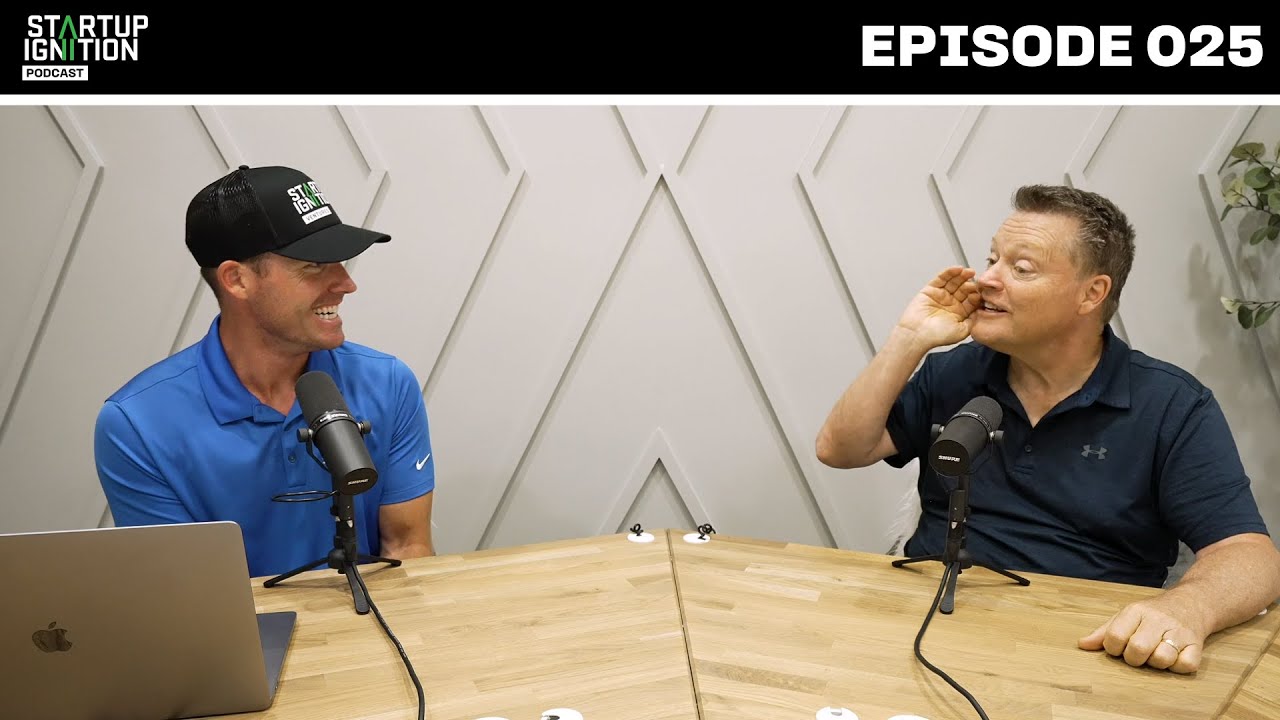
Today's episode is going to be geared towards questions from the audience. Everyone talks about an unfair advantage. What if I don't have one? I watched an episode of your podcast and you guys hate remote teams. Why? And what if that is my only option? I want to be a better founder from the get-go. What do the founders that you mentor regret most about not doing early in their journey? Everyone talks about product market fit. like it's obvious when you have it, but in your experience, what are the clearest signs that you've actually hit PMF? How should I balance customer discovery versus building product? Should I get significant traction before raising capital or just keep bootstrapping longer? How do I validate demand before investing too much into my idea? I first learned about the tax-saving 122 QSBS from your podcast. What are the changes announced recently to QSBS? I'm confused. Can you guys explain? What's the best way to find early adopters who will buy when I am trying to build? X2. >> Welcome to the Startup Ignition podcast where we spark uh clarity, action, and everything for early stage founders. I'm Tyler Richards. I'm here with my dad and my co-host. my personal lifelong startup mentor in my back pocket, John Richards. >> Hello. Hello. >> We've both been on both sides of the investor side table. We've both been on both sides of the pitch deck and now we are really diving into what it really takes to build from idea to exit with Startup Ignition, especially here on the podcast. So, thank you for tuning in and we hope we can guide you into building something that's right, something that makes money, and something that gets you to the finish line of wherever you want to be. So, we're going to jump right into it today. It's just myself and my dad today. >> Just us today. No guests. >> No guests. Just us two today. >> But surprisingly, we get a lot of good feedback on these things. >> Yeah. So, and we like just chopping it up. It's fun to just talk shop with startup things, recent events or just random questions. And today's episode is going to be really geared towards kind of our community and audience. And we've taken some questions from the audience for today and going over some common startup founder questions. But before we dive into those questions, I do have an icebreaker that I want to play with my dad because it's too fun not to. And this one is even better and leaning even more into the generational comparison side by side, the father and son duo. >> So, are you participating too then? >> Yeah. Well, I'm I have to deliver it and I know the answers cuz I had to make it. But but yes, >> go ahead. >> Okay. So, what we're going to do for our icebreaker today real quick before we dive into this episode is we're going to play a game that I am calling startup generational side by side. >> Okay? >> And so, this is the 80s versus the 2020s. Okay? And so, I'm going to say a startup uh oriented thing, object, uh terminology, something. And then you have to tell me what the comparable thing is was in the 80s. >> Okay. Go ahead. >> Okay. You ready? >> Y. >> Okay. Here we go. >> Maybe 80s and 90s. >> Yeah, 80s and 90s. Yeah, cuz 80s is really early, but ' 80s and 90s, but it goes back. >> I was your age in the 90s, not the 80s. Yeah. Okay. >> Uh, well, yeah, but you were still doing business in the 80s. >> Yeah. Yeah, I was. >> I mean, I know you were at university in the 80s, but didn't you graduate from university? >> No liquidity though in the 80s. Liquidity came in the 90s. Yeah. >> Yeah. Okay. >> Okay. So, here we go. So, email marketing like via Mailchimp like what what is the 1980s 1990s version of email marketing? >> Two things direct mail. So, direct postal mail and we did uh direct mail was huge. That's how you >> I would have accepted direct mail, flyers, bulk postage or folded brochures. >> Yes. All that's there, but direct mail and the other one that came around started in ' 87 89 and got into the early 90s before email hit was faxing. But it became very just like spam and emailing spam. >> Spam fax. >> Yeah, fax. That became a thing. People would get database of fax numbers and they said they could market you and you could send one pages through fax to people. >> Oh my. I'd be so mad if I was getting actually printed faxes just randomly. >> Yeah, that that got outlawed eventually. >> Yeah, I was going to say that had to become a nuisance. Okay, next one. 2020s. What's the 1980s, 1990s generational sideby-side comparison? Google Drive, Dropbox, >> uh, file cabinet. >> Yes. I would have accepted floppy disc or >> Oh, yeah. >> or filing cabinet. >> Floppy disc. Yeah. File cabinet. And a hard disc. I had hard discs in the 80s and 90s. Yeah. So, computer drive, but they were not You couldn't digitize things very much. And so you had databases, but digitizing documents the way that we do the whole concept of PDFs in a Dropbox or Google Drive now, you would have had physical printed out things and cabinets and file folders. >> I would have I I literally had >> lots of file folders. >> So filing cabinets. Ding, ding, ding. Okay, you're two for two. >> Okay, here we go. Slack for instant team chat. >> Uh what I know what I did is we had uh employee mailbox. Let's say there were 40 employees 4 by 10 and we would write notes and put them in the boxes. >> Okay. So what I said was office intercom office memos or notes. >> Office memos and notes is exactly what we did. Yeah. >> Or we had intercom. But that was only for all paging >> or literal yelling. >> Yeah. Yes. You would yell. Yes. You would yell, >> "Hey, John." >> Yeah. You would yell or the all page, but that was really strict cuz that could annoy everybody. And then but huge was going to the mail area where mail was distributed and there's boxes for everybody and you and if I had five messages to five different people I would take them with me and put them in their five boxes. >> So and they would just come by randomly throughout the day and grab >> that was a big thing you all of us were walking by to check that. >> That's crazy. >> That's like hitting uh down refresh inbox in your email. >> Okay. So you got it. Yeah. Intercom or office memos and notes or yelling. Okay. Calendar scheduling with Calendarly. What is the 1980s, 1990s calendar scheduling? >> That was calling a person up and talking to them directly. If they had an assistant or receptionist that set their schedule, you had to talk on the telephone to a person and they had a paper calendar. We had I had a paper c. So, I used a Franklin Day planner which was really powerful my career. I could tell you how that really enhanced my career. Here. Here are my three. >> Okay. >> Planners, phone calls, or direct mail. >> I just said that. >> Yeah, that's literally what it was. Okay, here we go. Next one. The SAS delivery model. What is the 1980s, 1990s generational sideby-side comparison of SAS? >> You mean for delivering software? >> Yeah, like Yeah. SAS. SAS. >> There was no S. It was shrink wrap client server software and you bought software on a disc and load on your hard drive. >> Yep. So I so I had floppy discs, CDs, direct install cassette tapes or cataloges. >> Yes. And we use cassette tapes in our mini computers. We didn't even have microcomputers. So we had what's uh minicomp computer which was is more powerful than a micro computer. And then microcomputers passed up mini computers because people stopped developing mini computers. But the minicomputers when we did a backup of the drives, they were put onto cassette tapes. >> Yeah. Yeah. I can't believe they use cassette tapes in a computer. >> Yeah. And so imagine how much you had to because they were all they're not random access serial access which means you'd have to fast forward the tape to the right spot to get data off of it. >> Oh my gosh. So when did they go from cassette to floppy >> disc then cuz I felt like floppy disc was more like a >> No for backup there was floppy discs both hard floppy disc and true floppy disc. The five and a quarter and then three and a half inch hard case floppy disc. Those were not reliable for long-term backup. So you had to do it on cassette tape. >> Oh wow. >> Cuz they would degrade and get broken. >> And could cassette could cassette hold more, too? >> Yeah, it held more too. >> Yeah, I was going to say floppy discs were pretty minimal. Yeah. Okay, next one. We're on number six here. >> Cloud. >> Are you trying to show that I'm old? >> No, I'm just It's just fun. This is fun. Cloud computing, AWS, Google, you know, Azure. What was the cloud computing? >> Well, there was there was no such thing. So >> So what would you do? um you would have client software. So like the first real huge cloud computing thing that transformed everything was not till much later after the dawn of the internet and then even into that which would I would have to say Salesforce. Salesforce was the first time companies said why would I take my sensitive data and store it not on my computer but on some computer somewhere else that's stupid. And of course now we don't even think about it. this is how technology goes. Now it's stupid not to do that just like but and then accounting was one of the last things to follow because accounting for instance um QuickBooks just with QuickBooks online for a long time people said I'm not storing my accounting software out on the cloud in a server somewhere in some else company but now we now sensitive data I remember >> I have all my sensitive data on Dropbox and Google Drive. >> I remember when I was like a kid you got mad at me when I wanted to do a credit card purchase on the computer. you're like, I'm not putting my credit card on there. People were scared of credit cards going out there, being ripped off. And then it it it turned out that it was safer, even in the early days of credit card purchasing on the internet, it was safer to do that, then go to the store because they had a carbon copy. I don't know if you know, they put your credit card and they went swipe the machine across and they had a piece of carbon underneath it, which then printed on the paper, an image of your credit card, and then that's how they did credit card purchasing. But what people would do that worked at the retail stores for that, the employees would steal those instead of throwing away that copy and then take that number and the expiration date on the card and go purchase. >> Yeah. Go do other purchases. >> Okay. So your answer to C cloud computing is what then? >> There's no that's a that's such a transformational. >> Okay. So I I have onrem servers. >> Yeah, that's what I said. Of course I said on my own computer. So literally servers in your closet like like on premise or I would have accepted mainframe like a mainframe thing >> but just think of what's happening technology. So onrem goes to cloud and I call that client server model but anyway the prem but onrem and that and now they're having to worry about AI. >> Yeah. >> Okay. What of my stuff is in a public or widely accessible LLM and all that. Now that's a whole now corporations are saying when they're working with AI companies, what if my data is going out into the general, you know, AI cloud and 10 years from now, no one's going to care that because they're going to realize that the whole concept of intellectual property, copyright, all this stuff is having to be transformed and we're not sure where it's going to lie because there's court cases right now being won and lost in these arenas. It's so fascinating. Anyway, did you see that Sam Alman basically said that, you know, he's cautioning everybody to have these conversations with chat GPT because he's like these things can be called up in a court case like we they can the government and people whatever you're confidently telling these these chats he's like these things can be used in court and and in law. So like >> email and text and everything. >> So he's just like these are not like secured like your own personal things like these can be called upon >> of course. So, he was just warning people this last week about that. >> Yep. >> Okay. So, um another one. Here we go. >> I wonder if you could uh have a closed chat that doesn't go out and just you and your attorney on and it's under a attorney client privilege. That's interesting. >> That would have to be locked down. >> Yeah. >> Um >> Zoom meetings. What's the sidebyside equivalent of Zoom meetings in 1980? >> A inerson meeting. >> Yeah. And hey guys. >> Or a telephone uh uh party. uh uh multi-line. It was a big deal when you could have three it's called they were three-way conference call they were called and and what you did is before mobile phones you had a landline. Okay. And the phone company would make it so you know how when you hung up it hung up something if you did a quick click of the clicker >> you could add a second person on the call if you paid for that service. >> Yeah. So I had in-person meetings conference rooms Yeah. >> calls on landlines or literal travel. >> Yeah. >> Yeah. Yeah. So that's what I >> But the calls, they literally had it where you could add a second caller. So you could have a three-way call. >> Yeah. So you could have a conference call on a landline. >> Yeah. Okay. Three-way only, not four. >> Okay. What's the equivalent of a pitch deck in 1980? >> Um a presentation flip chart or um uh binder. >> I can't believe flip chart was such a terminology. That's what it said. So it said a 35mm slide projector. >> Yeah. A printed slides in a leather portfolio book >> or a flip chart. Yes. >> What is a flip chart? Is it just like one of those like eels? >> It's like a No, a three- ring bin flip chart. >> Oh, like those spiral bound. >> Yeah. And then a ESO flip chart could be that bigger that where you don't have but you could have a 8 and 1 half by 11 sheets of paper and just set it down on the desk and flip it when you talk and plastic sleeves and they had three rings. So in a three- ring binder and then you would you would be talking and flip charts. So, if you had a slide edit, you'd have to take out the slide and put it back in the the the screen protector. >> Yeah. You Yeah. >> I didn't know that that was a thing. Flip chart >> is a big thing. Yeah. >> Okay. Here we go. Um, last one. Um, online payment processing like on Stripe when they've when Amazon started in 1996 selling books, you had online processing, but they probably had to build their own system for that. You know, it wasn't anybody. So how that as a service each company had to build their own payment gateway first they had to build their own catalog it was called this is the terminology in the '90s catalog shopping cart payment gateway proc payment processor >> when you sold someone across town how would you collect payment >> okay I was saying the early days of the internet you want to go before the internet then how would you collect payment >> credit card over the phone >> okay so phone credit card okay yeah You could run it through, but that's also a >> Would you do the carbon copy swipers? >> Um, you would just write down on instead of the carbon copy swiper, >> you just write down the information. Oh, and then who would process it? >> Would just say you would send it in the credit card company. >> Oh, the credit card company would process it for you. How would you verify that? Yes, they want to make >> before there were terminals that send information to the credit card company. Yeah, you would gather your days signed or submissions piece of paper and send them to the credit card company >> and they would have to verify with the purchase or did you want to make this purchase or not? >> It was assumed that they made the purchase. If somebody was committing a fraud, they'd get caught. >> Yeah. Like I guess you that's it's just so frustrating that whole process. >> Well, imag fax machines. Fax machines. >> But would you fax? >> Fax machines. Yes. You could fax somebody a credit card authorization. They would fill it out and send it back. That started 87 to 89. Yes. >> And like bank approvals and stuff like that. >> Fax changed everything. Before fax, >> if I wanted to do business with you and propose something, I would I had a word processor from the early ' 80s. I would print it out on the printer, sign it, put an envelope, put a postage on it, send it to you. Take two, three days. You get it, you read it, you write me a letter back, send back a response. We do that for weeks, okay? to consummate deals and do things. >> Yeah, that's just so slow. >> All of a sudden, when facts came, it was like revolutionary. >> Yeah. Okay. Thanks for playing my side by side generational startup terminology comparison game. >> Oh, by the way, I should say FedEx made a bunch of money overnight. What you do sometimes instead of doing postal mail take two, three days, you could do FedEx same day or overnight, pay 30 bucks to have a single page. >> They still offer that. They still offer that. >> Yeah. Exactly. >> Okay. Um, moving on from the icebreaker, that was great to see the differences and how far we've come with technology. But man, being a startup founder in today's age is so much easier, so much quicker and way more efficient than it used to. >> An interesting fact. They made a prediction in the 80s that with all the coming technology that they saw, they thought we the United States was going to go like Europe where Europe was starting to average 35 and 30 hour average work weeks and America being entrepreneurial and hardworking. what they've done with all the technology instead of going down to leisurely 20 25 30 hour work weeks on average they just cram more in the 40 hours. Yeah. And so that's what happened. The amount of work that the average worker >> from my from the 80s and 90s till now that the average worker can get done per hour is astronomically more efficient and and productiv productivity. I would have to say that I get more done in an hour today by a factor of 10 to 25 somewhere in there than I did back then. >> So like literally an hour today was worth a day back in the 80s. >> So So but here's what's fascinating. So are all my competitors and people I have to compete against. So we've all ratcheted up. So that's why oh I'm 25 more 25x more efficient. Why am I not getting ahead of everybody? because everybody else is too. >> Yeah. >> But I also think that we're not going to become lazy or diminish our work hours or work week until we're literally flat blobs in a chair that we don't have like Ready Player One where we don't have to literally do anything. >> Look what we're doing with AI >> because there's always going to be hustlers and entrepreneurs who are wanting to get further ahead. Is anybody here working less because of AI? No, we're cramming more per >> Yeah, we're just doing more. Yeah. Right. >> So that's the difference. Unless you're purposefully taking it easy, >> right? So, okay. Today's whole episode is is focused on common startup founder questions that we run into a lot that we are constantly regurgitating and answering. We've mentored thousands, if not tens of thousands of of entrepreneurs at this point, and we come across a lot of common questions. and I opened up this episode and the agenda for this episode to our community online on social media on YouTube. Um, and I have 20 questions that I filtered from all the questions that I took in and whittleled them down to 20 questions that I'm going to throw in front of John today. I know what they are cuz I put this agenda together, >> but I think we can both tackle all of these questions. >> I don't know. So, it'll be fun. So, I don't I don't know if we'll get to all 20 of them because I'm not going to do an hour or two hour long episode here. Let's keep it fast and relative. Fast and punchy answers. >> Yeah. Let's try to go like 2 minutes on each of these questions. So, it's a total segment of only 40 minutes. Go for it. >> So, you get a minute, I get a minute, and then we'll tackle all of them. >> Okay. >> Okay. So, I'm just going to go down the list here. And here's the very first one. I'm just going to read it right here. >> Here it is. I want to be a better founder from the get-go. What do the founders that you mentor regret most about not doing early in their journey? So, what is the number one or the the things that founders end up regretting not doing early on? >> I'm going to go from the vantage point regretting because they failed or fell short of what they thought entrepreneurship was going to do for them is they failed to find product market fit. They didn't make finding product market fit the all-encompassing task. >> Yeah. My I I would say that mine my answer co correlates with that which is they regret not making it because most entrepreneurs don't make it right. So it's like if you're going down this path and working really hard most entrepreneurs the statistics say you're not going to become wealthy >> and that's because they run out of time and money. Every entrepreneur is in a race against time to find product market fit. >> Yeah. And and so my my answer would be most founders that I run into, they regret not doing the customer validation and customer discovery properly and wasting the time or most of them don't know how. And so after they fail, they said, "I didn't never found product market fit." They regret that they didn't take the time to learn how to do it and take the time to do it. >> Or they literally just leap into building without taking the time to validate an interview. >> Premature scaling. >> Yes. So the number one thing I think we would answer to say what do most founders regret from not doing early on it's the real underlying work of customer validation and product market fit >> and then also that regret then comes back to why didn't I stop and get help and mentorship and understand what I needed to do. >> Yes. cuz skip skipping those steps is wasted time, wasted money, >> and even the risk of building a solution that you pour your life's work into that nobody wants. >> I can't talk on this topic without saying one thing to our listeners and viewers. Um, there's a lot of things that feel sexy and cool and smart that are premature scaling and cause you to not find product market fit and make that your all-encompassing focus. and you feel like you're doing really important cool things, but you will a year or two down the road fail because you didn't find product market fit, but you felt during the time you were avoiding finding product market fit that you were doing cool things. That's not true entrepreneurship. That's not real entrepreneurship. >> Yeah. Okay. >> Okay. This one is from our community, which was is cool. Guys, go go go go create a free account. Join our community. Collaborate with other like-minded entrepreneurs and other startup founders that are doing the same thing you are in the same path that you are on. But this one's from our community and it says go to startupnition.com and just hit join. >> Yeah, literally just sign up for a free account. It costs absolutely nothing and you're in our channels and you can talk to our community. >> Message us and ask us questions. >> Yeah, we're on there every day. I I get so many notifications, people pinging me. >> Um, number two, here it is from our community. Everyone talks about product market fit like it's an like it's obvious when you have it, but in your experience, what are the clearest signs that you've actually hit PMF? >> When you've hit product market fit. >> So, everybody talks about product market fit. Like, it's obvious when you have it. In your experience, what are the clearest signs that you actually hit PMF? >> When your customers are raving about your product and buying it and renewing. So the clearest signal truly if I had to boil it down to one is you sell a customer something and they reby it re up and want to continue paying you for it. That's product market fit. >> Yeah. And and that that's when it's obvious like there's no clear signal that you have product market fit like it is a journey like there's no >> like a black white. >> Yeah. There's not like a single milestone. Oh, you hit product market fit. It's a combination of things. But one of the clearest signs is when customers are pulling your product from you, not the other way around. If you're trying to cram it down their throat and sell it to them and crickets are chirping, you do not have product market fit. If they're clamoring for your product and they're trying to pull it from you and saying, "I need that right now." That is the clearest sign of product market fit. So, if you have customers begging you for something, you have product market fit. You might need to still tweak and and pivot and perfect the model, but you have product market fit. And if that's not there, that's also probably the clear sign you don't have product market fit. Because I have a lot of entrepreneurs that sit on their hands and they think they have product market fit, but then when they go to market and they try to sell or do something, nothing's happening. They do not have product market. >> Let me share. I start off our boot camp with this. You know this analogy and it's so good for right here, right now. When you're an entrepreneur, imagine the analogy is an entrepreneur is somebody who wants to go entertain the crowd in a park. Well, you can entertain the crowd with a trained monkey sitting on a pedestal and showing how cool the monkey is and how trained it is. Well, the entrepreneur that goes out and says, "Oh, I got to build a pedestal to have the monkey up on it." So, they spend all their time building this cool pedestal so the monkey can be seen by the crowd and it's on there. Anybody can build a pedestal. The hard part is training the monkey. And the analogy is this. The pedestal is your software product or your widget, whatever you're wanting to make the product. But training the monkey is a hair on fire use case in a target customer that wants and needs your product and will buy it and is clamoring for it. >> The customer validation work. >> And that's the the hard part is training the monkey, not building the pedestal. And the more you let that sink in, the better entrepreneur you will be. >> Okay. >> Yeah. Um I don't know. I could go on forever on product market fit, but we probably should skip it just to save time. I was going to say another, but I'm not going to. Okay. >> Hit me up online. I'll I'll say what I wanted to later in another video. Okay. Number three. How should I balance customer discovery versus building product? Uh well, customer discovery comes first. We have a saying, you need to earn the right to build. What does that mean? That means until you validated your idea that your problem and solution, your need and solution are correct and and worthy of pursuing and then hypothesizing a business model and validating that business model. So where you feel very strongly you're on your way to product market fit, you have to earn the right to build. We don't build first. So, you don't need finished perfect products to go out and test with customers and validate. You you can do chicken scratch on a piece of paper and show them what you're intending to do. You can do mock-ups in PowerPoint. You can do uh 3D printed objects. You can do lots of things to give them a concept while you're validating, but you don't need to actually build a real product. So, the balance is this. It's actually done. First validate and discover who your customer is and validate then build and then continue discovery with customers after you start building. >> So I have two comments on that. So >> yes customer discovery think of it as like your first job and then building think of that as the reward to completing that job. So yes >> your customer discovery first and then earning the right to build or the reward is building. >> This brings up such a good point Tyler. What >> when people hear the word lean startup, most of you out there think lean startup is minimum viable product or MVP. MVP is literally the last final step of the lean startup process or what we call customer validation and business model validation. The last thing you do is build your product and you build it first to see if you can attract and interact with customers even before transacting with them for money. So that's what's funny. I have so many people say, "Yeah, I I practice lean startup. I'm a great lean startup practitioner. I build an MVP with minimal feature set." >> Uh, yes, but that's the final step, not the first step. >> Okay, I'm going to make this as simple to understand as possible. There's a cycle in customer validation, and it's literally talk, learn, build, test. And it just repeats talk, learn, build, test. Talk, learn, build, test. Talk, learn, build, test. Do not do that out of any order order. And it's constant. Customer validation never ends. When you're learning and building, you're testing. You're learning something new. You're talking, you're learning, you're building, you're testing. Just do that four cycle step. And you'll never get anything out of order. >> Through validation, you earn the right to build. If you build without earning that right as an entrepreneur, you will miss the market, squander time, and money. >> Yep. Okay. Remember those four steps. That's it. Okay. Number four, should I get significant traction before raising capital or just keep bootstrapping longer? That's a really good question. So, I answer, you should always get as much traction before raising capital if you can do that. But, and you should bootstrap as long as you possibly can. But what does that mean? You do not continue bootstrapping if it's choking your growth. If you could grow, if your slope of growth is going at 1% because you're bootstrapping, but if you got in some capital, you could go into an 8% incline on that slope of growth, you go the slope of growth. So I I don't know how to make it any more clearer than that. So, but should should maybe even we can propose like change this question up so we can understand a little bit more like how much traction is needed before raising capital maybe is a better question. This person said should I get significant traction before raising capital? Yes, you always should get significant traction >> un unless you're going bankrupt. Yes. But but I think maybe a better question is is instead of should I get significant traction before raising capital is like maybe how much traction do I need before raising capital? Because I think the more traction you can add whether that's users or revenue or product or market validation or customer validation whatever that traction is that you're identifying it's always going to help your case in fundraising. >> Let's talk about traction. Let's go ideal situation. If you could actually get to a point where you're generating revenue and you put together six months in a row where revenue is increasing 10% month over month and you can get there without raising capital. You should wait till then and raise capital once you finish 6 months of having every month in that six-month period. Increase revenue 10% over the previous month. If you do that, you will be able to write your own ticket in the venture world and raise more money than you ever thought you raise at a much higher valuation than ever thought you could get. So that's the ideal. Peeling that back is just not having quite that revenue growth, not that consistent track record. Going back, if you don't have any revenue, if you can't build a revenue story, then it's about customer engagement. Are you attracting customers? >> Do you have any pilots going? Do you have anybody that you sold in these have on board? >> There's innovation accounting, not just financial accounting. Innovation accounting is, you know, do you have great adviserss, investors? Have you got great tech people that join your company? Have you got customers registering and starting to use it even for free services? What traction? Traction is the only true thing that investors look for. But there's many types of traction. And because the more traction, the more d-risk the deal is for the investor. The less amount of traction, the more risk they have to take on in your deal. So the more traction you can provide, the more d-risisk you your opportunity is and more confidence you're investing. >> Deisking an opportunity means that then you will get more money at less cost. >> So again, that that question I'm sorry for whoever submitted that question, but it's just a little bit hard to say, you know, should I get significant traction before fundraising? Yeah, you should. Like yes. >> Yeah. If you don't have sufficient traction for the type of investor you're going to raise money from that what they expect you're not going to raise money right because you have most investors have a >> litmus test okay where do I need them to be in order to invest yeah >> okay number five how do I validate demand before investing too much into my idea how do I validate demand before investing too much into my idea Yeah. So what that's just lean startup methodology. Validating demand is one of the first things you should do when you've devised a a idea which I would term an idea as a problem solution set. You know there's this problem in the marketplace here's my solution for it and uh there's these people need to get this done here's my solution to get that thing done. So that's an business idea. So this business idea you then need to go validate it by talking to customers. We at Startup Ignition have a pre-lean startup technique that some of colleagues from us uh taught us and they've encouraged us to include it in what we teach and share in the world and it's called the wow factor test. We actually have a test where you quickly even before doing full lean startup will go talk to multiple target customers and find out their immediate and initial reaction to what your idea is and what you're planning or thinking of doing. and you get super good numerical feedback to tell you whether you should keep going or not. >> Yeah. So to to validate >> the demand for a product, you can even enter in within the validation step pre-elling your product too. Yeah. Like if you're worried about, okay, is there a real true demand? I validate I feel like my idea is validated, but is there actual true demand for buying this thing? Go and pre-sell it. go and collect checks or money or even a minimal amount or an LOI or any kind of signed contract that will make you feel more comfortable around the demand around >> you want to hear one of the funniest ironies out there is this I have countless entrepreneurs tell me I well okay you want me to go talk to customers or go try to talk to them and get their feedback I it's so hard I can't get in to talk to them and I go hold on a minute you want to start a business to sell item X to this set of customers, but you're saying you can't get an appointment to ask them what they think of it. So, let me ask you this. How are you going to get an appointment to go sell them? >> Yeah. >> And and they go, "Wait a minute." And it's the silliest thing I've seen is people literally say how hard what they really don't want to do is they want don't want to go do validation. They just want to build their product because they know everybody's going to buy it. Yeah. >> Okay. But they and they're avoiding having to go to talk to customers early because they are uncomfortable with that process. But I'm going hold on a minute. You know, you do realize you have to contact customers and talk to them in order to sell them. >> Yeah. Yeah. If you can't talk to customer to validate, how are you going to ever sell them on something? >> Yeah. >> Okay. Number six. Here we go. I first learned about the tax-saving 122 QSBS from your podcast. What are the changes announced recently to QSBS? I'm confused. Can you guys explain? >> Well, we'll share. We're not lawyers and tax advisors, but we'll say what we know. Okay. So, what at first I thought that these changes applied to even ones uh Okay, let's let's stop for a second. Say what it is. Set the table a little bit. 1202 is a tax line United States of America where if you are a early shareholder and there's qualifications for what early is and in the right type of Ccorporations can't be an S corp can't be an LLC and you're early enough including if you're an early investor and it usually has to do with what the value of the company was when you invested and you get in and hold those shares for 5 years or longer and then sell those shares. All of the gain is excluded from federal income tax. It's also excluded from most states income tax except for some states like California. California will still charge its state income tax. It's an incredible entrepreneurial benefit. One of the greatest tax laws ever for entrepreneurship >> and that's been going great and we've benefited from >> but now setting the table for 2025's bill. >> 2025 the BBB the big beautiful bill changed it and improved it. But I thought maybe it was retroactive, but I've learned since that it's not. What it is is everything before July 4th of 2025, a CC Corp, is going to be under the old rules. And what are the old rules? If you hold the shares for 5 years and then sell them per shareholder, the first 10 million of gain excluded from taxes. Yeah. >> Okay. Now the new rule to change in July 4th is if a company's CC corporation stock is issued to a shareholder after July 4th of 2025 that shareholder holds it for over 5 years and sells then 100% of the first 15 million. They also made one more change. if it's sold in the third year or the fourth year >> or fifth year. >> I I should say the fourth or fifth year after year three or after year four but before year five they prorrate it. >> It's tiered. >> It's tiered. And the tier is if you sell after the third year it's 50% excluded. >> After the fourth year it's 75%. >> Fourth 75%. Now there's one caveat I've been reading about and this I hope we're not too technical here but follow with me. Imagine you're 3 and a half years into a venture and you sell $1 million worth of your stock as a founder to some other investor. Okay. 500,000 of it will be excluded from taxes. No tax on that, but the other 500,000 is going to be taxed at the long-term capital gains rate. >> Right. That's right. >> Okay. And um also subject to the state tax. Yeah. >> Okay. So, not just federal but state. So, that's really important to understand. And matter of fact, let's say this, my understanding is this. Let's say it sold six months into the venture. You sold a h 100red,000 six months into the venture. Just say you did that. >> Yeah. >> Then that's not with the long-term holding. You would you would get zero because it's under three years. And you'd also be paying then ordinary income tax like anything because you sold it before a year up. So this just changes the new changes and the new deals being done now will get a benefit in the after year three and then after year. I think there's one thing you're missing here. It's the asset limit. You know, you said, "Oh, what qualifies?" 50 million. >> Now, it's moved up to 75. >> Oh, it has. That's another one. So, in other words, you can join a little later in the ventures life. >> So, what that means is at the very beginning in John's explanation of QPS stage, it has to be an early stage and that's usually a company value of 50 million or less. But now, they moved that mark up to 75 million or less. Folks, this is one of the greatest incentives to entrepreneurship that the United States government's ever put for us. So, it's fantastic. We've been benefits of it as investors and it's incredible. >> Yep. >> Yep. >> So, that hopefully that explains the difference between the old QBS July 4th, 2025 and before versus the new big beautiful bill QSBS section 123. >> Summarize it one last time. The changes are >> 10 million went to 15 million. >> Yeah. that the actual um uh uh no what is it called the tax-free gain >> yeah 10 million went to 15 million >> 10 to 15 >> there's now prorated after 3 years and four years which never existed before >> secured time >> and the 50 million qualifier went to >> asset limit valuation okay and uh is there anything else >> I think that's it >> I think that's it >> it basically made something fantastic even better >> yeah and so again that cut off is July 4th of 2025 where that is new. What about if I'm holding a stock and part of my time is after July 4th, 2025 and I don't sell it until July 5th of 2029 uh of 2030, >> but I started and got the stock before 2025. I wonder if I complete the 5-year time post July 4th, 2025, is it the issue? >> That's what I understand. >> Okay. >> If we're wrong, tell us. Yeah. >> But >> all you attorneys out there, let us know. By the way, there's some other techniques out there, too. Um, >> we're not going to get into rollovers. Yeah, we're not going to do stuff too complex, but check them out. Okay. All right. >> We'll mention that. Head nod to the rollovers. Um, okay. Number seven. Here we go. Another question. What's the best way to find early adopters who will buy when I am trying to build? Oo, that's a that's a good one. What you mean early adopter customers is if you're talking to customers that were willing to let you do validation interviews, there's a high likelihood that a good percentage of those will be early adopters. They were willing to spend time with you, answer questions, and and give you feedback on your idea. They could be early adopters, too. >> Yeah. I I always like to talk about the early adopters as the ones who are actively searching for your solution. Like I always talk about the watering holes where these groups gather. Go so to find these early adopters go to where these groups are gathering either online or in person. So you know forums, Facebook pages uh you know Reddit or Kora where they're talking about these topics and just go participate in those. I would put I would put forth this concept if you're doing lean startup correctly, which is going out and talking to customers super early in your venture. >> But I think the question is is how do I find those people? >> I know. But but to find them for early adopters is kind of putting the cart before the horse a little bit to me because what it is first is you are doing lean startup and you're going to be talking to these customers anyway. As you're talking to them to get feedback and on your hypothesis for a venture that will naturally come out. Oh, this could be an early adopter to be a first purchaser or first user. >> But even even I'm saying I maybe the maybe I'm understanding the question a little bit differently than you, which is like how do they find these people to either interview or to sell to? And >> again, >> the question was early adopter. Early adopter is a customer. >> Yeah. >> Or a user. >> A candidate for validation. You go in saying this is not a sales call. >> Yeah. >> Okay. So I'm saying you're already doing that. It naturally leads to early adopter finding. That's what I'm saying to summarize this question to find people who might be interested in what you're doing whether that's to talk to them, sell them, or early adopt. >> They're usually the crazy ones really. Like we talk about how Tes when Tesla came out, they only sold to the craziest tech heads in the world because the product wasn't as great as a normal car was at the time. So Tesla was built for the crazy tech heads in Silicon Valley and those were the early >> the most patient users of a electric car that wasn't quite working. Right. >> Right. And so usually the early adopters are honestly some of the loudest people in the category. So like go to these online forums and the people who are shouting and screaming about that problem or solution are usually the ones who are the most willing to early adopt. But again a certain percentage if you interview 40 target customers a certain percentage will go into early adoption. So the question could come back and really be how do I find people to validate with and that is a whole another topic a wide topic and we talk about conferences industry workshops uh you know conventions trade surveys so many places tools to help in that initiative as Yeah, we we are fortunate enough like we train a lot of entrepreneurs that live four or five hours from Las Vegas. You can look up in Las Vegas almost any industry that you could go interview around they'll hold conventions and conferences there and you can be in one place and meet hundreds if not thousands of people in a certain vertical. Yeah. Yeah. Okay. So you got you again you just got to go where that market is that you're selling to or trying to talk to is >> and you get good geographic diversity from highly trafficked localities like that because they have visitors from over 100 countries in all 50 states because a lot of mistakes made by entrepreneurs is they get too myopic in who they're talking to. You don't want to just talk to, you know, 20 people in Topeka, Kansas if you're going to sell to the whole country. >> Okay. Okay. We're doing a pretty bad job at keeping this. Keep going. Keep going. >> Um here we go. Another question. Everyone talks about an unfair advantage. What if I don't have one? How do I define my unfair advantage and communicate it to investors? >> That's something proprietary that only you have a moat that you've built around yourself. And that can be a lot of different things. >> And if and if you don't have one, you need to find one. >> Yeah. It can be people. Um, if you have an, let's say you're doing something with AI and you've got an machine language AI expert engineer that is, you know, obviously a cut above the the crowd, that's a that's a that's an advantage. It could be it's unfair. Why do you have it and why don't I have it? >> I'm I'm just thinking of of kind of unfair advantages that we've invested in in our portfolio at Startup Ignition Ventures. Like it could be a strategic partnership only you have access to >> domain experience. >> Yeah. It could be your history of what you your knowledge around the topic or the field that you're trying to enter into >> or contract you've got >> or or it could be even some kind of technology or secret sauce that you're holding. Let me tell you one. I There's a woman I mentor in Florida who long ago, I'm talking 20 years ago, got a lifetime right to get special pricing from Priceel Line for hotel rooms. Okay? So, Price Line lets her get access to this great pricing that's grandfathered in for her. Okay? That's an unfair advantage against other people competing with her because she's getting the lowest pricing possible. >> That's an unfair advantage. and to and then so when you're communicating with investors think of whatever this unfair advantage is >> about that all day long >> you have you have to communicate that effectively and communicate that properly in your pitch to investors because I do think investors are looking like what is your differentiator what is your unfair advantage like why you and not the 10 other tools that I just googled when I was sitting in this meeting with you >> so okay so if you don't have an unfair advantage you need to get creative and or really sit down and think about what it is that it could be because you have to have an unfair advantage otherwise you're just a meto um company. All right, next question. When I went through the boot camp, here we go. A boot camp alum. When I went through the boot camp, you talked about pivoting and persevering. When do I know when I should pivot and when do I know when I should persevere? You pivot when your target market tells you to pivot, that you're wrong, that your h your assumptions and hypotheses are incorrect. Persevere just means okay I validated that assumption. So let's go back and just review again. Lean startup is based on the concept that on day one you have hypotheses and assumptions not facts. You need to go prove that your assumptions and hypotheses are facts. As you go out and do that through little experiments or big experiments over time you will be checking off. Okay, this assumption is a fact. I know it's true. Great. Oh, this assumption was wrong. How did I find that the one was a fact and the other one was wrong? By talking to 20 or more customers. And they told me what the situation is. And that's the truth. The customers are the source of truth. So I found this out and I decided to pivot. Oh, okay. What I thought was going to be part of my business model or how something would work or what I would do is wrong. I'm going to pivot and change that. Now I'm going to go take that hypothesis for a new pivoted idea or or mechanism in my business model. I'm going to go now test it with again 20 30 40 different people in my target market and find out if that hypothesis is correct. That's the scientific method. Viewers and listeners, lean startup is literally just the scientific method you learned in sixth grade science class about you're hypothesizing how something will go. You go out and conduct an experiment to see if your hypothesis is correct. If it's wrong, you pivot or go back and change your hypothesis and then test again. If you were right, you check that off and go on to the next thing you need to test. That's science for for me. I think you have to be really honest with yourself, too. like you because I see a lot of founders running into walls during their validation efforts and they should be pivoting but they keep persevering because they think that they're on the right track. But if you're really honest and really structured and you know are doing validation the correct way and you're the feedback is coming that a lot of customers or these interviews are being pretty negative. they're not liking what you're telling them, like it's time to pivot. >> Yeah, you're you're bringing up there's some really deep topics here, but we got to touch on it because you brought it up is confirmation bias. Entrepreneurs are really guilty of confirmation bias. What confirmation bias is in its simplest terms is when a fact hits your skull and it disagrees with your preconceived notion, it just bounces off your skull and you pretend you don't hear it. If the fact endorses or validates your preconceived notion, it goes through your skull, gets in your brain, and you feel validated. Let's say that 50% of what's being sent your way from your customers is saying you're wrong, and 50% is saying you're right. Well, you need to not think you've got 100% validation. What are the other 50% saying was wrong? And what's going on here? An example, you know, I love, you know, Steve Blank, the father of lean startup, one time said he had a student come to him and say, "I validated with 50 people, 47 validated what I was doing, and three said we were wrong." And it's not about the 47 and that they just validated from those numbers. He said, "What did the other three say?" Well, the other three said, "If we added two features, I wouldn't pay $10 for it. I'd pay $10,000 for it." Well, that's insightful data and you need to take that into account and say maybe the $10,000 per sale business is better than the $10 per sale business and that's a better opportunity. This is how a scientist would approach a science project. This is how you as an entrepreneurial scientist needs to approach getting your data in. >> Right. >> Yeah. Right. >> Okay. >> So, just be true to yourself and pivot or persevere and do the do validation the right way. Yeah. Okay. Here we go. I only raised $100,000 through a ton of small checks. How do I manage burn rate and cash runway effectively and make it last? >> Um, well, it depends on a lot of situations there. >> That's a really broad question, >> but but just generally speaking, you should always be frugal as possible. >> It managing burn rate is literally about just you have to reel in your expenses. You have to ruthlessly control your expenses. >> Yeah. >> On $100,000. You have to watch it. >> And and also it bothered me where it said a bunch of small checks. Um taking in small checks from unsophisticated investors, maybe unacredited investors, even though you can only do that if you have a prior relationship with those unacredited investors generally speaking. Um, but still it's should you be taking small checks from a bunch of unacredited investors, meaning people that are not very wealthy and shouldn't be doing this risky investing. Should you be doing that? That's a big question mark, but and raising $100,000 now, how do I ma maintain my frugality? If you're not good at being frugal, you better have a co-founder who is and let them control the purse strings because it can go the money can go so fast and you can make so many expensive mistakes. So again, this is just about this is why in our boot camp, Tyler, we teach not just business finance, but a little bit of personal finance because you've got to understand how to manage money and cash. Yeah. >> Yeah. I I think you can boil it down to when you have $100,000 and you're trying to manage your burn and you're trying to extend your runway, only do things that are really going to push your product forward or your revenue generation forward. If it's not doing either of those two things, you ha you cannot spend money on it. Okay? I I just got to hit this home to our viewers and listeners. Entrepreneurship is at the startup entrepreneurship. The first 18 months of your venture is not about the amount of capital you have. That's not what it's about. It's about your ingenuity and your ability to go out and validate your idea and then your business model and find product market fit. I know people that have built a company they ultimately sold for $100 million approximately and they raised $200,000 the entire life. This young man to my right over here had a multi-tens of million dollar sale of his company. They didn't raise a penny. It was all bootstrapped. >> Yeah. >> It's not about the money. Matter of fact, one of the most nefarious problems in all of entrepreneurship is raising too much money too soon will almost put you on >> But you brought up a good principle there, which >> will put you on a path to not making. >> Yeah. But you brought up a good pr principle which was to extend runway is offsetting it by revenue generation. Yes. So if you get to early revenues quicker, faster, and even if it trickles at the beginning, you're offsetting burn, you're offsetting expenses. So >> hyperfocus on revenue. And then you can extend runway for much longer, right? >> Yeah. Yeah. So, all of your early expenses should be about helping you get more sales or making your product better. If you're having founders who have to have market rate salaries to survive, you're going to have a very hard time in that environment where you've only raised $100,000. Yep. >> Okay, here we go. We're getting close on time here. I might have to cut some of these questions off, but >> um I am seriously struggling with pricing my product. Any tips or mentorship there? >> Well, that's interesting you say that because we've just added that feature to our our academyy's uh we have a AI powered platform that helps you do lean startup extremely fast and efficiently. And we've just added a new feature where when we're going and talking to customers, we're also now gathering pricing data. And we can help point you to um profit maximizing and revenue maximizing price points. This is called finding your pricing elasticity where if you raise your price, all of a sudden your demand drops down. You want to find that place on the mathematical curve. So the answer to this question is there's lots of pricing algorithms and mechanical processes that you can do to find the answer to this. Too much to go into in this podcast, but we have the tools and many other people have the tools to help you find pricing. I will say generally speaking though, if you're out there guessing and not using these scientific tools to do it, you should start high. It's much easier to come down and find the right price than to start low and increase your price up. >> And and my answer to that is is like what's the value that you're giving to your customer? Like is this a must-have hair on fire problem that you're ending up to solve for them or is this just like a nice to have thing that they don't really need and they could use it but they don't have to have it. So that value that you're bringing to the customer will definitely if like impact price like are is this a $100 product, is this a $10,000 a month product or is this a $10 a month product? So like >> keep that in mind like what's the value you're delivering? >> And a lot of products are geared to either help like if I'm selling B2B to another business, I'm selling them something. Is this going to help them generate more revenue or save on the expense side? And how much is it doing? If it's only helping them generate a little bit more revenue and save a little bit on expenses, that's not as valuable as something that really increases my revenue or really decreases those expenses. >> I watched an awesome video that we always say must have or nice to have like do we have to have it? Is this a necessary like thing that you're bringing to the table? But I was watching a video the other day and they said, "Is it a painkiller or is it a vitamin?" Yeah. Like, do you need this painkiller right now? Like, you're dying or are you just preemptively taking a vitamin to maybe be healthier one day? Right. That's the spectrum. So, what what are you, a painkiller or a vitamin? If you're a painkiller, charge them an arm and a leg for it. If you're a vitamin, you might only be getting pennies, right? >> Yeah. But just so you know, in the field of business, there are uh mathematical tests and algorithms you can use to find your pricing >> and your elasticity. Yep. Okay. I am currently next question. I am currently fundraising and figuring out my plan. What role should I be hiring for first? Oh, my dad's going to like this one. I'm currently fundraising and figuring out my my plan. What role should I be hiring for first? Well, should I just run through the classic sense? The classic thing would be, let's say there's two co-founders. One's on the business side, one's on the tech side, whatever their tech is. So, you have those two. those two go out and start building a company and launching. Well, you want the business side guy leading out in sales. So, he's going to be doing sales. And he's going to be doing the prospecting, the appointment setting, the presenting, and the closing. And he's going to do those things until he runs out of time. If he signs up people, he's going to start doing activation and onboarding and customer service. Okay? That's going to steal time from other things. Eventually, the very first person usually people are going to founders are going to hire is that person to take the activation onboarding customer service off their plate because the founders should be the one selling. They're the ones who know the product. They need to figure out sales systems before they start hiring professional salespeople. So, I believe that your first hire will be a customer service, customer success person that takes care of activation, onboarding of customers even before you hire other salespeople. Now, a lot of not not a lot of people follow that sometimes and they just go out and hire a bunch of salespeople. But the problem is is if you hire a bunch of sales people and get so many sales coming in and then you're not taking care of those customers, right? They're going to leave you and you're not going to get that repeat sale, that renewal sale, which is the sure sign of success and product market fit and you've got a problem with your business model. So, once again, founders, then probably somebody to take care of activation on boarding and customer service. Then you're going to go back and maybe hire an appointment setting sales development rep that'll sell set more appointments for the founders so they can sell more. And eventually when the company's growing and maturing, you're going to hire account executives to be the professional salespeople to help the CEO, chief salesperson, the CEO do more sales calls. And that's how you start growing a company. Obviously on the tech side, yeah, you have your co-founder tech guy. you're probably going to have a junior developer join them pretty soon, maybe even before that customer service. So, on the tech side and business side, there's certain ways to hire people. The mistakes we see, which is maybe what people are looking for on here, is hiring a whole slew of salespeople too early. Yeah, that'll kill you or even someone to take that whole role from you too early. Like I think the way you look at early hires is >> they should be filling gaps that prevent you from product building or revenue generating. So for the technical co-founder, if you feel like you are not building product at a pace that you should be because you have so much on your plate, yeah, maybe that warrants a new early hire of a technical role employee. If you're the business side or the sales or the the revenue generating side and you're finding that you're not able to spend all your time and efforts over there, there's just too much to do. Okay, then that probably warrants a new sales or SDR or some BD or someone, but you're never offloading the whole task. It's just filling the gaps that you're dropping or you're not able to get to. Underlying that question is a super important principle. So, we'll share this really quickly and that is this is that it's the founders's job to systematize the processes of the company. You don't hire a white knight or somebody from a big company and bring them into your startup and say, "I need you to systematize my my sales process or whatever." That's not what the how it works. What it is is the founders figure out how to sell, activate, onboard, provide customer service, retain customers, and they systematize it so that they can then hire non-founders to do this system that's now in place and use their professionalism to execute really well. So, in the fields of selling, you don't hire some salesperson, then they come in and they have no system. They don't know how to sell it. the founder doesn't know how to teach them how to sell it and they just are floundering. Most of the time that founder will come to me and say, "Well, I hired some salespeople and they all sucked." Yeah. And we go, "What do we say to them?" No, you suck. >> You suck because you did not create a system for selling that you could teach to a non-founder and replicate what you have already figured out, right? >> Yeah. Anyway, >> okay, next question. I wa I watched an episode of your podcast and you guys hate remote teams. Why? And what if that is my only option? Question mark. question mark. >> Say, repeat that one more time. >> I watched an episode of your podcast and you guys hate remote teams. Why? And what if that is my only option? Three question marks. >> I'm probably against them more than you. >> Yes, but they I mean it's not like I dislike remote teams. It's just more like they an early stage startup is about speed and efficiency and the serendipitous collisions that happen when working with people to get over problems faster, quicker, and better. >> Let's go back. I'm going to answer this person directly. Okay, go. Because the data shows >> that remote teams underperform compared to teams that office together. That's all the data shows that. >> But why? It's because the speed that you need and those interactions that you need and and just the overall rapid feedback that you need all happen better in person. That's >> no matter no matter what in my entire decades in business being in the same office with your co-founders compared to even being one mile apart working out of your home. the little nuances of a company, the little things that come up. Being able to swivel in your chair, like Tyler and I are sitting here, we're working together and I go, "Tyler, I got this problem. What do we got to do to figure this out?" And he goes, "Oh, we can do this." In 30 seconds, 90 seconds, 5 minutes, you've solved a problem. If I had to write him a Slack message, an email, or a text, wait for him to respond. He doesn't see my facial gestures. He doesn't see my body language. He doesn't see the level of my concern, the voice inflection, the communication breakdown, everything starts taking longer and over all of the thousands and tens of thousands of things to be done in a startup. If you start adding 50% 100% 150% that the time to get things done, then all of a sudden your startup is losing the race against time. You've only got so much capital and time to get to where you need to get to. That's the real answer. The remote teams just make it harder for that alignment to happen, the accountability to happen. It just it just sets an early stage startup behind. That's all. >> Trust me, if I if if remote teams and offshore engineers, whatever worked and the data shows it works and the experience shows it works, we would do it. It's cheaper. >> Yeah. >> Okay. But it doesn't. Now, one place where I'm still impressed though is actually the concept of virtual assistance. Whitellar work. We know that AI is threatening a lot of white collar work, but what's been happening last 10 years is it's been very efficient for lower paid workers in other nations to be virtual assistants doing white collar administrative work. And you and I have several portfolio companies that are taking advantage of that. And it's working really well. Not engineers. Not engineers. the engineers that they have remote in other nations are supplementing a strong team here in the US but literally there are some places where remote workers are doing well but it's not remote founding teams and it's not the first key hire >> but this question does say and what if that is my only option so to whoever asked this question to you to answer that is if remote is your only option >> then you need to uh realize the hurdles that you're going to have to get over and the >> make up for it with other strengths. >> Yeah. You're going to have to overcommunicate, create the the the necessary connections forcibly to actually collide with your teammates and and just be on top of it and recognize you're going to have to >> Let me ask you this question, Tyler. Two companies, company A, company B. Company A and B are exactly alike in almost every ways with traction, idea, opportunity, everything's looking good on that. Company A has two founders and two non-founders in it. Office together, same office, 1,000, 1,200 ft. They each have 300 ft. They're really close together. >> Company B, everything equal. two founders, two founders, two employees, and >> they're working from home or four separate spaces and in different cities or miles apart. >> That's a it's a no-brainer. >> A or B, what do you choose? >> A no-brainer. >> Okay. >> Yeah. Just >> So, that answers the question. Well, I I think it this we can boil this down to that shared energy of of team A >> is ultimately going to put them ahead of team B. It really will. That shared energy. >> Where's more risk? Where's there more risk? Right. >> Yeah. Okay. >> All right. So, that's just But if you So, it's can't be your only option. If it's your only option, we need to talk about that. We that I I mean, I'm sure there's people in some circumstances. >> Can't be their only option. I've just said just recognize the hurdles and the struggles you're going to have to deal with and you have to combat that. >> How hard it's going to be to raise money. >> Yeah. Just realize that that's what you're getting into. But if they've hit on an incredible business idea and they are showing incredible growth potential, then somebody will give them enough money to not have to be remote. >> Yeah. You just have to have the extra intention and that extra diligence around the remoteness of your team. Correct. >> All right. >> Okay. Next question. And I think we might have to cap this one right here. This is the last one. We didn't get to all 20. We tried really hard, guys. Okay. What operational hacks do you have for founder efficiency when wearing so many hats as a founder? I'm finding it very hard. So, what operational hacks do you have for founder efficiency when wearing so many hats as a founder? I'm finding it very hard. Number one, do you love your idea and what you're working on? So, on Sunday night, are you excited for Monday morning? Do you love what you're doing? If you don't love being an entrepreneur, love the idea and the industry you're in and just love what you're doing, like you like to say something I taught you to say, I think years ago is >> you cannot not do this company. It's in you. You have to do it. You love it. You want to do it. That that that's number one. That's the hack. If you've got that, a lot of other things take care of themselves. Number two, do you like the people you're working with? If you have bad relations, there's a weird element in there, you don't get along, something's going on, living with problems, living with something not quite right with other people also will add stress and make you less efficient and not get all the other things done. So, those two things are important. Do you love what you're doing in your heart of hearts? And do you like the people you're working with? If you're the CEO, primary founder, if there's people that just aren't working on your team, you need to fix that problem. If you got those two things taken care of, a lot of other stuff becomes trivial. >> Yeah, I agree with that statement, but also there are a lot of things you need to be paying attention to as a founder. And I know you have to wear so many hats. That statement is so true. You're literally juggling a hundred things, but a huge piece of advice I got like 20 years ago was like, if something's top of mind as a founder and you're trying to figure it out, just go and do it. Like drop everything else and just do it cuz that's top of mind. That's what you're worried about. that's what you're stressing out about, just go and do it. And another thing that I love about stress as a founder, and obviously something that I heard recently from a video that went kind of viral from Jeff Bezos, is he said that stress is actually just the feeling you feel when you're not doing something when you absolutely could be doing something. He's like, "Stress only comes when you know you have a task at hand and you're ignoring that task." So my advice to this founder who's wearing so many hats is just go and do whatever you're thinking about and just get it done. >> It's so funny you say that cuz I'm both of those things. I get something in my craw and I just go do it right now because I know if I don't I won't get it done and I just go do it and that is such a rewarding feeling. And then the same thing on the other thing that you mentioned too that's just >> what they perform the stress thing. But what for me I I have a little bit of procrastination in me just a little bit. And so I've recognized that like time the time available is how long it takes you to do something like I could have a two hours to get something done and take the two hours to get it done or it could be 10 minutes where it gets done and that 10 minutes I actually get it done. It's crazy. So, I really only needed 10 minutes. And it's kind of a funny thing about me and I've recognized that in myself. And so, what happens is that's why I like doing the things right now. When I felt that at 2 hours, I just go take the 10 minutes, get it done, then I can do other things. It's it's interesting. I I operate really well under stress and pressure. >> Really, you kind of force stress on yourself. That's kind of weird. >> I know, but it happens. That's Everybody finds their way. That's my way. >> But hopefully this was a little bit helpful for you guys. We tried to get to all 20 of them. Maybe we'll make some more videos of the of the remaining I think it was five or four that are left. But um I I feel like a lot of founders are experiencing the same thing when I was going through these questions. It's like that I swear I've asked that myself in my career like 20 times myself too. Like oh I'm wearing so many hats. How do I balance like everything that I'm trying to do? Or you know what's an operational hack you have? Or you know what is QSB? Like all of these are very common and they're all being discussed all throughout the internet and everywhere. So find your community, collaborate with people who are trying to do the same thing that you're trying to do and pair mentor each other like find other entrepreneurs that are doing in the same stage that you are and you'll you'll find that this becomes so much >> subscribe and follow us on this podcast too but join our as a free membership on our startup ignition academy and you can email and message directly to us and we can talk to you within that platform. we'd invite you to start doing that. And there's a whole community there of like-minded start startup uh lean startup practitioners and doing cool stuff with startups. I we'd love to see you in there. >> Yeah, of course. And and thank you for tuning in. Like, share, subscribe, hit us up with your questions. Let us know what we should talk about next. Like, I think it's pretty fun just when John and I come in here and shoot the breeze and talk about whatever's relevant for that day's topic. And so if you guys have any episode advice or any kind of feedback for us or whatever we should be talking about next, we're all ears about it. But thank you for coming and listening to these found these founder startup questions today. That's it for today's episode. We're signing off. Thank you so much for watching and we hope to see you next time. See you later. Back next rock next to rock.
New episodes drop weekly. Subscribe so you don't miss the next conversation.